January, February and March are usually dry on the farm, and this year has been no different. While this puts pressure on grazing and increases the risk of fires, it also provides a respite in vegetation growth that allows us to get everything under control before the rainy season begins in April.
This quarter a real effort has been made to clear Lantana camara, an invasive plant that grows vigorously, including up into mature trees, smothering them. We’ve been removing lantana by hand from paddocks and conservation corridors in order to rescue the natural vegetation and also open up dense Lanata thickets to enable grass to grow for pasture.
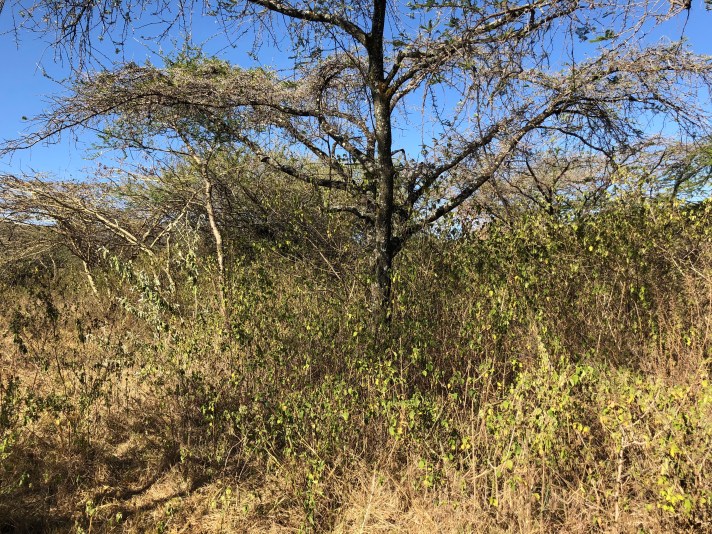
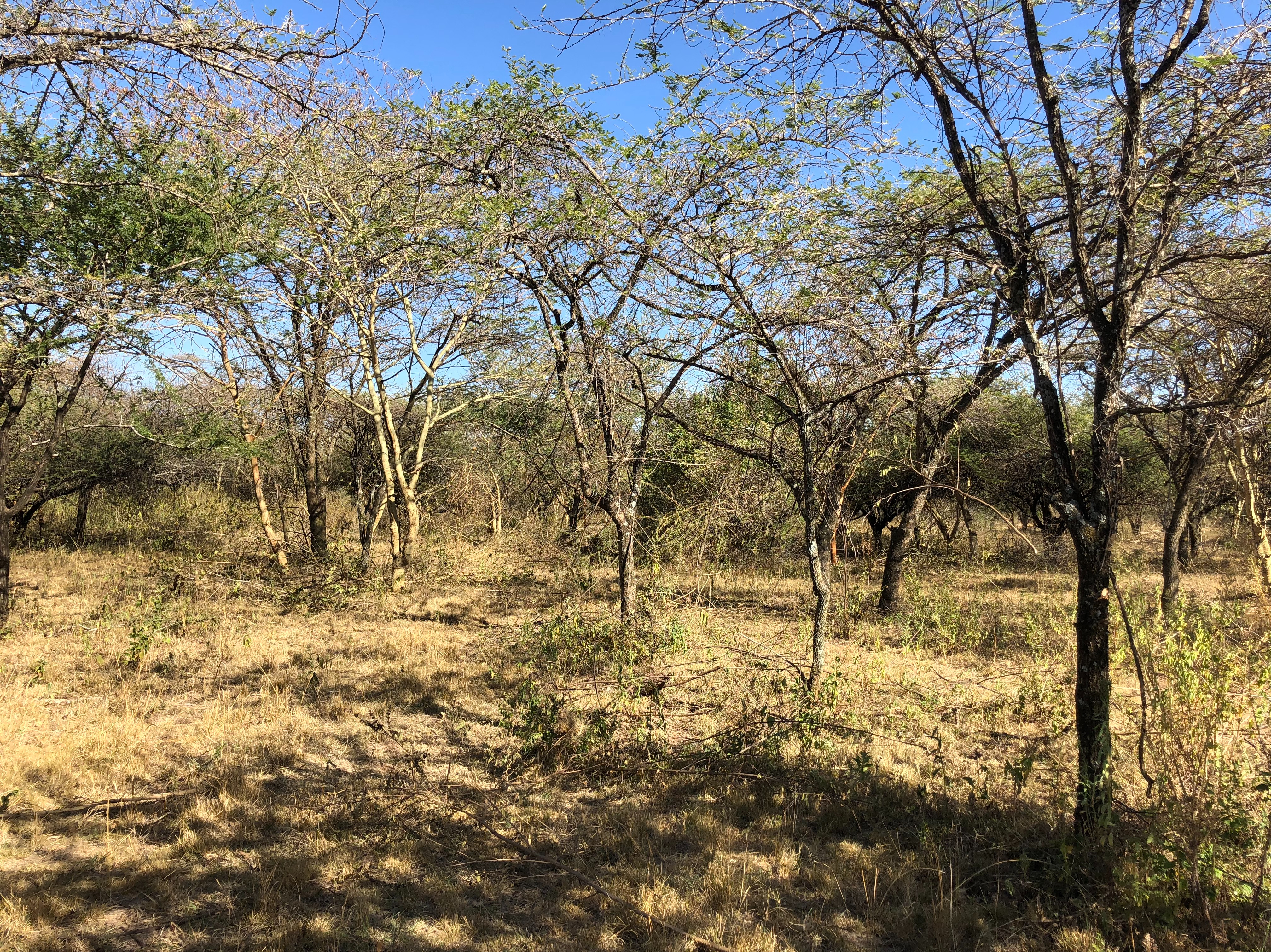
Before and after clearing of Lantana camara.
Crops
We harvested beans in the last quarter of 2020, and have been busy sorting, dressing and packing these for sale. Sales really picked up in the Bomet area in March, and we anticipate this will continue as the rainy season gets under way. Our germination test results from KEPHIS were 96%.
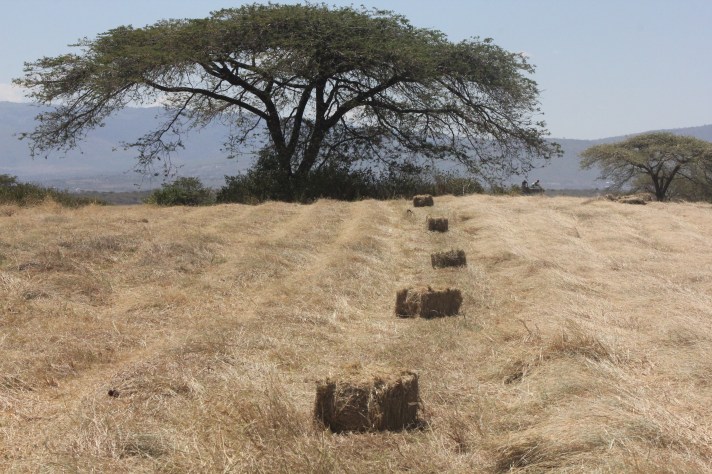
We’ve also been selling hay, so far this year we have produced and sold 20,895 bales of Boma Rhodes hay. The price has been low this year, but the sales are crucial for cash flow during the dry season.
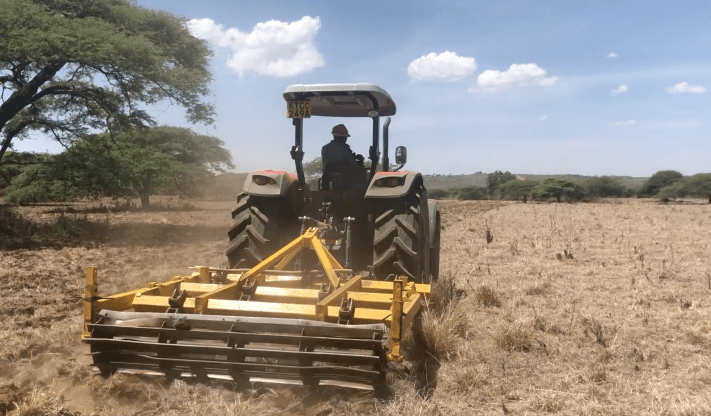
As we gear up for the rainy season we have been busy prepping fields. Due to our minimum tillage approach, we usually plant directly into the previous year’s field, in which case a little mowing is all that is required. But in one year of our 7 year rotation we will put a chisel, plough or triple-K into a field that has been heavily compacted, for example after grazing.
This quarter we got results that show that this approach is working, the levels of biological material in the soil are an impressive 5.6%.
Cows
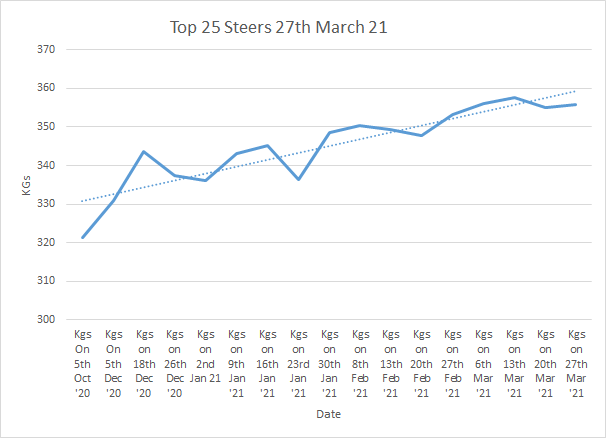
The cows have come through the dry season really well, with only older cows with young calves showing the effects of the dry conditions. We have been giving all of the cows silage, mostly grass, but steers and cull cows have been on sorghum silage to boost their weight.
The cows have been vaccinated against Foot and Mouth Disease (FMD), and fortunately there have been no bad outbreaks in the area and no cases on the farm. We’ve also vaccinated against Lumpy Skin Disease (LSD), though unfortunately we have still lost a few calves. LSD is a really horrendous disease which presents initially as lumps on the skin and becomes fatal when these lesions spread across the animal’s lungs. Both FMD and LSD are particularly distressing because the cows are clearly uncomfortable, which takes a heavy toll as we take their welfare very seriously.
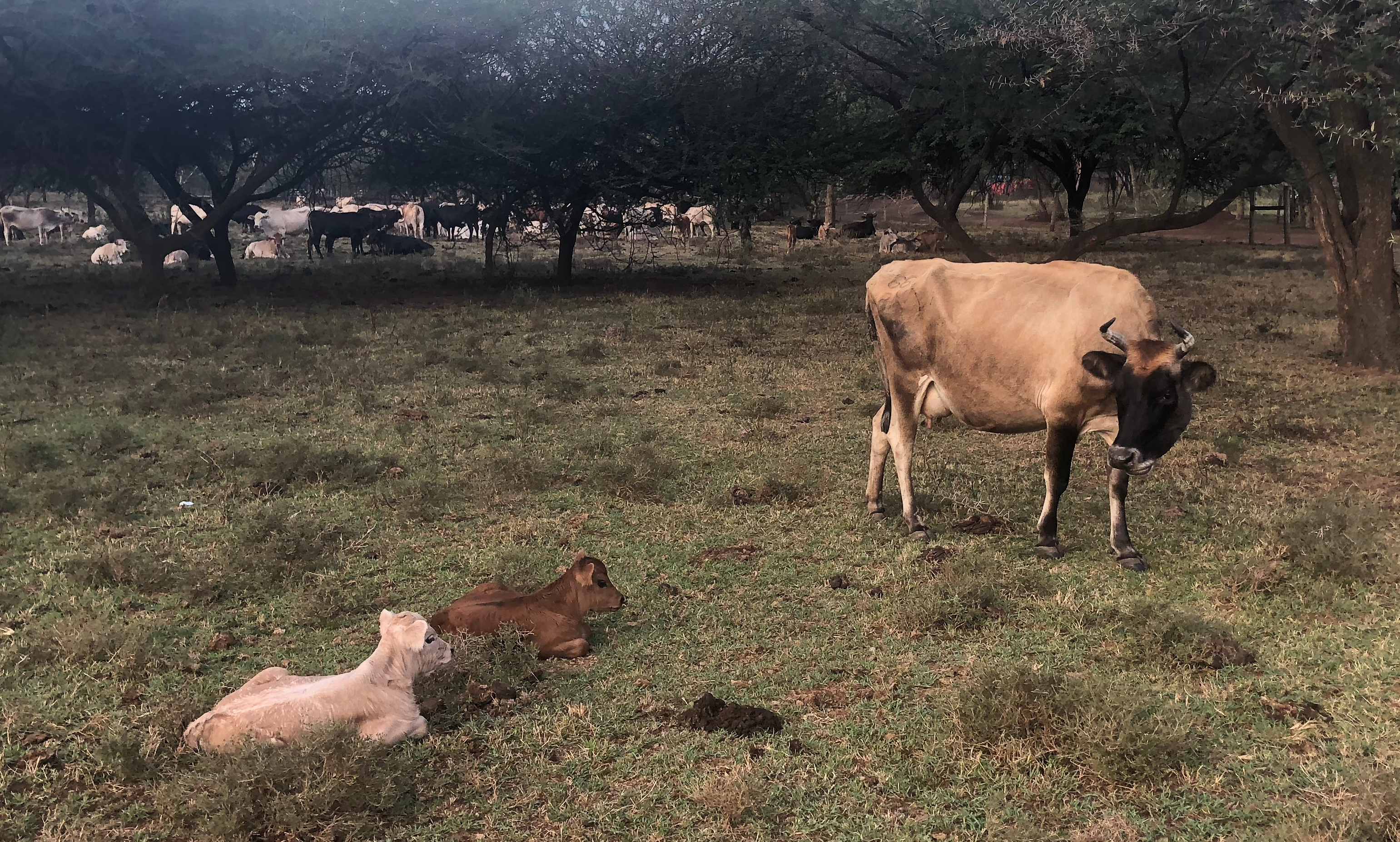
On an exciting note, we had our first ever set of twins on the farm! An older Jersey cow who had been given AI imported Jersey semen produced two adorable young calves who are completely inseparable!
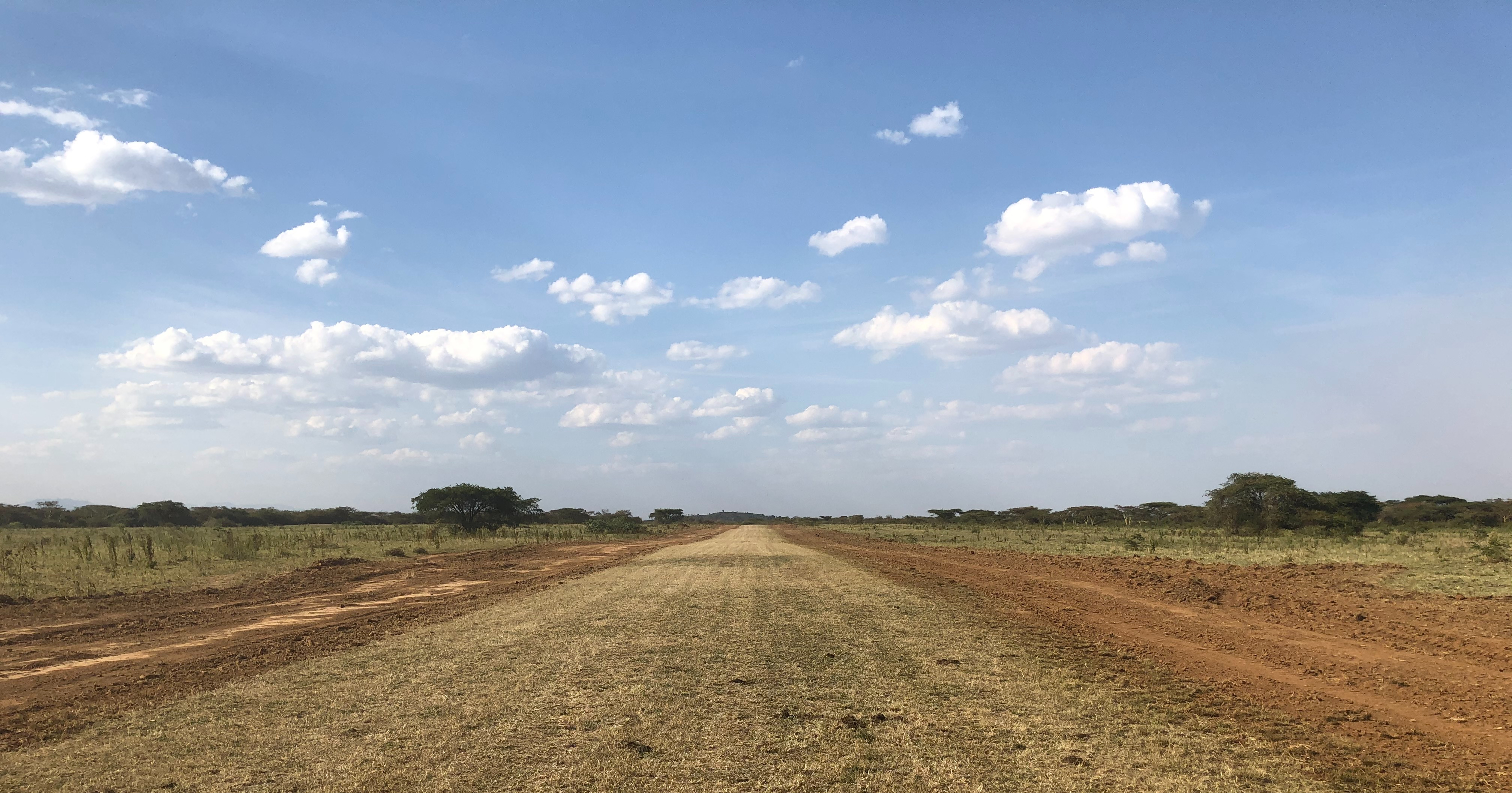
Aside from our usual farm work we have also registered the farms airstrip – Chemeron. The airstrip is now 18m wide and 850m long. Registered private airstrips in Kenya are recognized by the Kenya Aviation Authority, but still require private permission prior to landing.
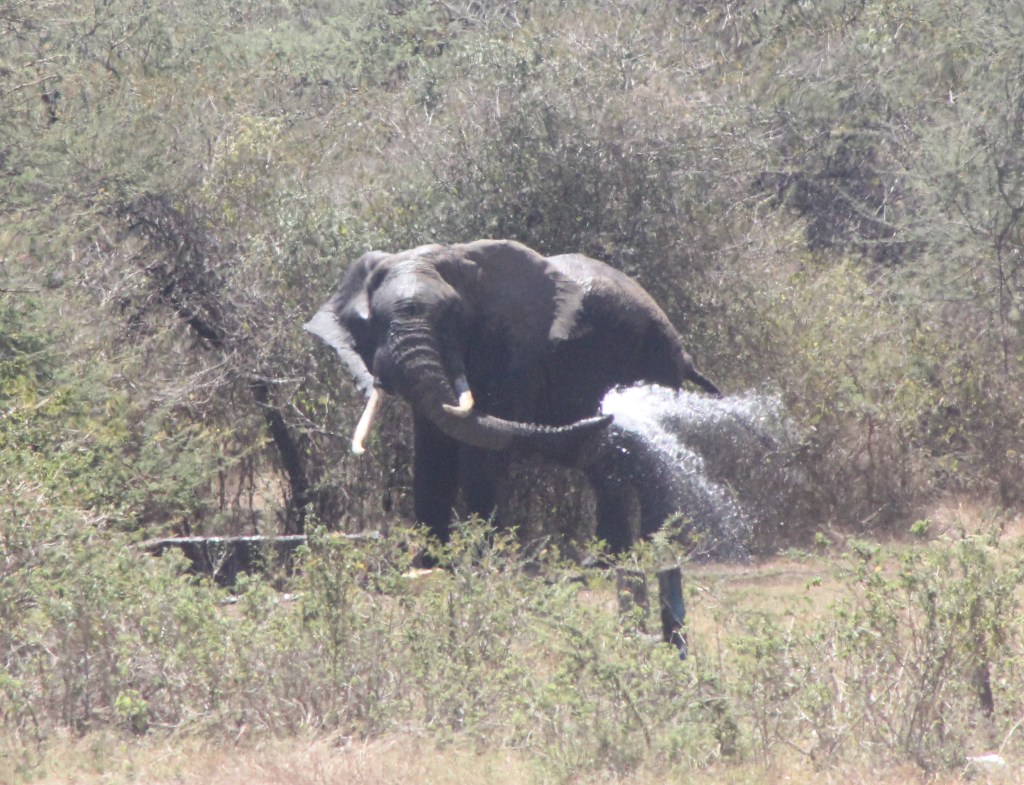
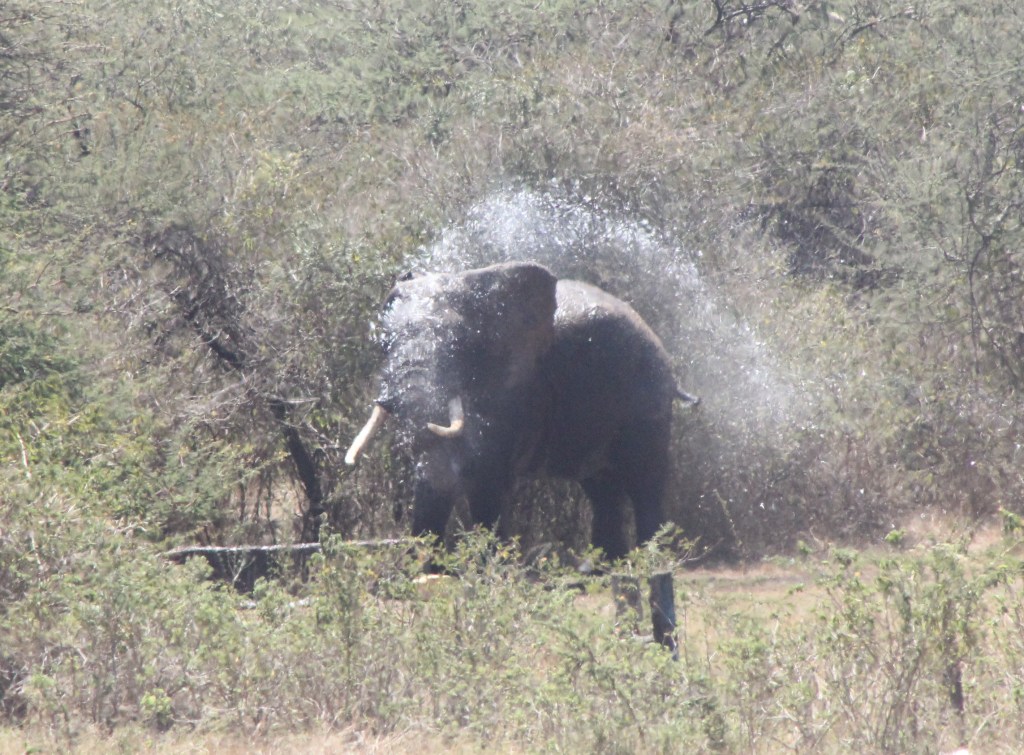
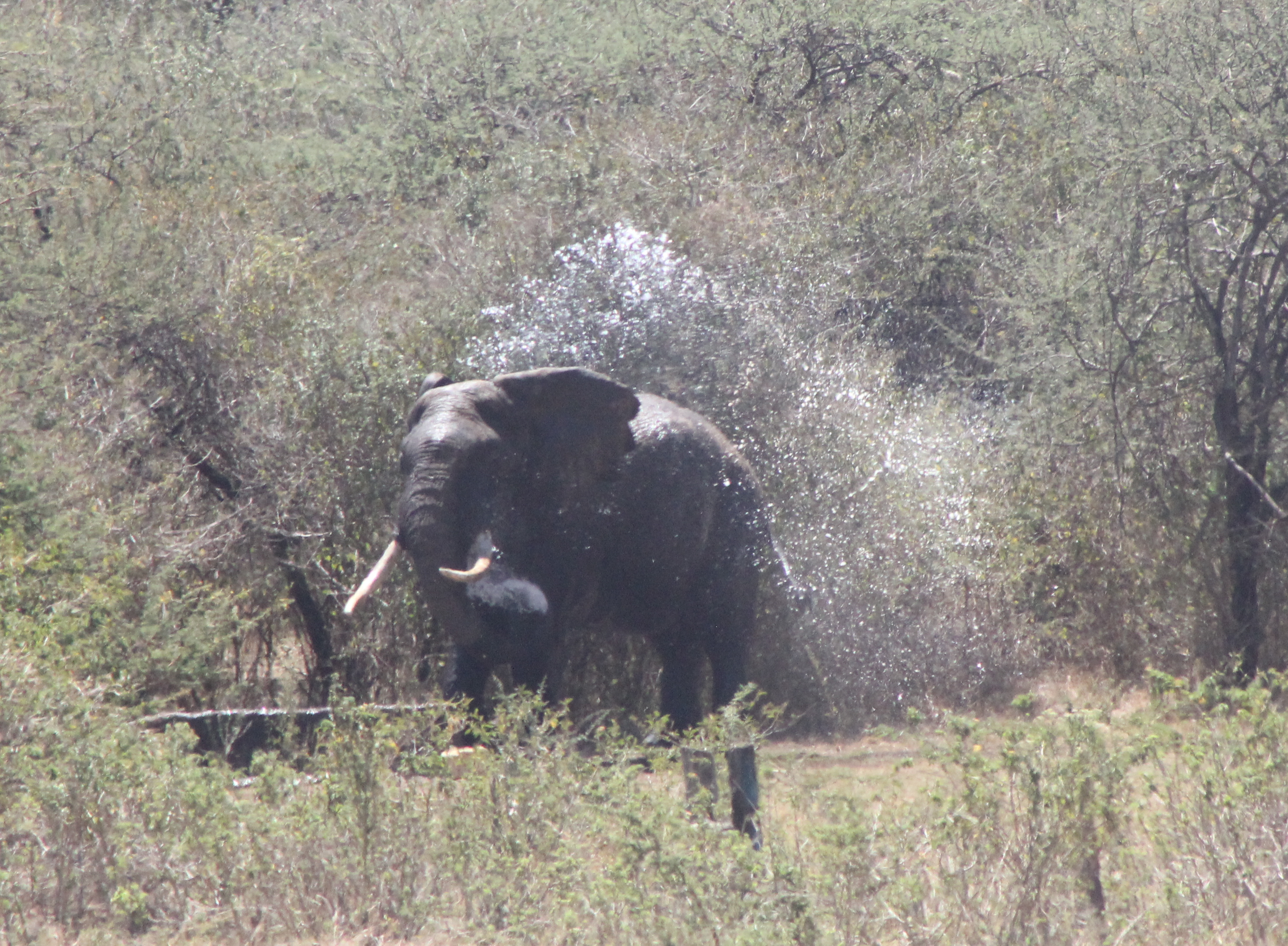
All of this has been going on with the resident elephant in the background. He is destroying fences on a nightly basis, though fortunately the cows are now so used to him they no longer run away and cause extra nighttime havoc. The elephant is also drinking copious amounts of scarce water, and just to show off, throwing a lot more water around as he bathes.
KWS are aware of his presence, though unfortunately, their attempts to keep him away from cows, fences, and buildings have been unsuccessful. The situation is manageable at present, but will be of real concern if he targets valuable seed crops later in the year.
Of course we’re all still dealing with the reality of Covid. We’re strictly adhering to all of the government directives and enforcing sanitation and face mask wearing, especially for visitors to the farm such as hay customers. The threat is still with us and we can only be too careful!
Stay safe and well!
 Rajwera Farm
One thought on “First Quarter 2021 Update”