The rains kicked off in April this year, bringing much needed respite from the annual dry season. We haven’t received as much rain as we would usually expect, but this means we are really reaping the benefits of minimum tillage and diverse crops.
CROPS
This year we’re growing seed maize for Corteva planting into last year’s bean field with minimum tillage. The maize was planted in a MMFFFFFF formation, with one of the male lines planted 1 week before the rest of the lines. In order to accurately plan the lines, we’ve installed satellite assisted steering, this is another step towards increased accuracy and efficiency on the shamba. The maize went into last year’s bean field, with no tillage. Minimum tillage – or as in this case no tillage – has a myriad of benefits chiefly moisture retention (as we’ll explain in an upcoming dedicated post).

We’ve also planted beans, which went into a field that was previously grazed. The bean varieties planted are KK8, KAT B9 and Chelelang. These will be for seed in the short rains growing season, the demand for high quality Leldet seeds still outstrips production. The bean field was chiseled – this is a key component of our conversation tillage and crop rotation programs – chiseling reverses compaction caused by grazing by cattle and subsequently by sheep, and helps control established weeds.

Excitingly, we’re conducting several trials this year.
We have planted 38 varieties of Soya Bean which are all part of the PanAfrican Soya Bean Variety Trials. This program seeks to address the relative lack of investment in research, breeding and deployment of non-GMO Soybeans across Africa.
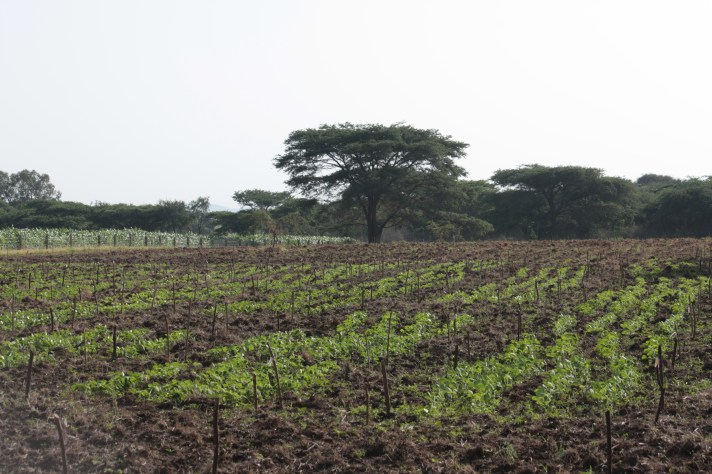
In addition, we have also planted bean trials which are part of the Kenya bean consortium. We’ve planted 14 bean varieties in our trials, these have been released in two other East African countries, and the objective of the consortium is to leverage the seed harmonization agreement to fast track release of the varieties to the Kenyan market. The overall aim of the consortium is to create a platform for collaboration between seed companies with the end goal of increasing the availability of good varieties and high quality seed on the market.

We’ve also planted trials for forage crops, these could become critical components of our rotation program, the varieties planted include Brachiaria and Crotalaria, supplied by Alliance of Biodiversity International and the International Center for Tropical Agriculture (CIAT).
All of the trials are aligned with Leldet’s core objectives of ensuring appropriate varieties are available to customers who need them and are of a high standard.
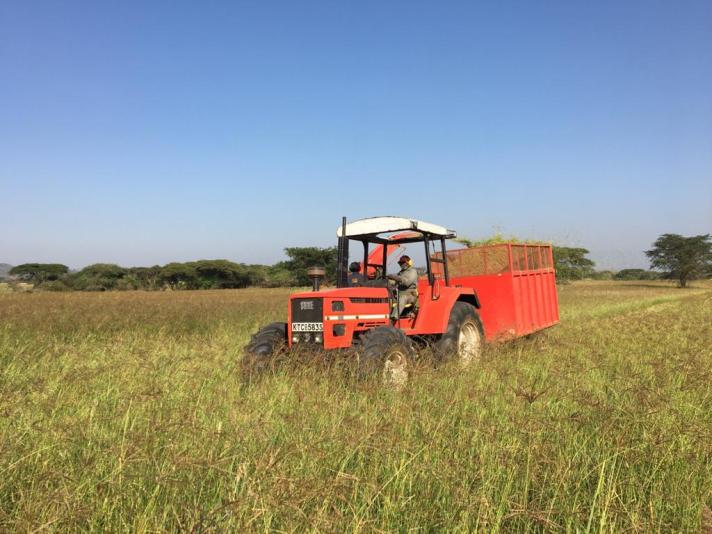
Other crops planted this year include sorghum – Leldet’s E6518 forage sorghum variety and Boma Rhodes grass, for a mixture of seed and silage. The first silage harvest is well underway.
LIVESTOCK
With all of the new pasture the cows are looking very good. The steers are still receiving silage, and showing very positive weight gain. With each new group of weaners we are increasingly appreciating the visible success of selective breeding, with the end result of larger, healthier animals.


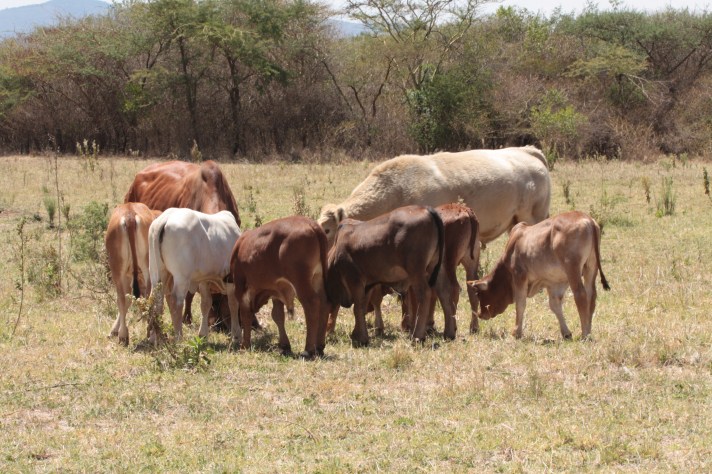
Calving sequence – a Boran – Angus/Charolais cross comes into the world and is greeted by her father and some curious calves!
We are gradually phasing out Dorpers on the farm, if you are interested in purchasing Dorper sheep please feel free to contact us. The principal reason for this is that with a smaller herd we can refocus on best practice and high quality animals through careful breeding. There is also a chance that the sheep act as a disease reservoir for diseases that affect the cows, particularly Blue Tongue, which is quite lethal for calves as it results in swollen/rigid tongues which means they are unable to suckle or effectively swallow milk.

LIFE ON THE FARM
The resident Elephant has left the shamba and so we have been catching up with fence fixing and generally clearing up after him. We are populating the website with more images and information about the farm – the most recent addition being our post about birds – click here to read it!

We’ve also continued our clearing of Lantana camara (discussed in our Q1 2021 report).
Over all the past three months have been very busy with planting, but very successful too. We now wait for more rain to carry the crops over to harvest, and continue to adapt to the new normal under Covid-19.
 Rajwera Farm