It has been another busy quarter on the farm. The elephant has dominated life on the farm over the last few months, he is becoming more and more comfortable which is both a privilege and at times, a nuisance. Daily routines have subsequently evolved to a round of repairs; fixing broken fences, rebuilding gates, chasing him out of crops and most importantly making sure everyone stays safe.
The Barn Owls have had another clutch of owlets in the house roof and we are starting to see some migratory birds return to the farm. The night cam footage in July and August showed a continued striped hyena presence on the farm and a host of other small mammals and birds.
Crops
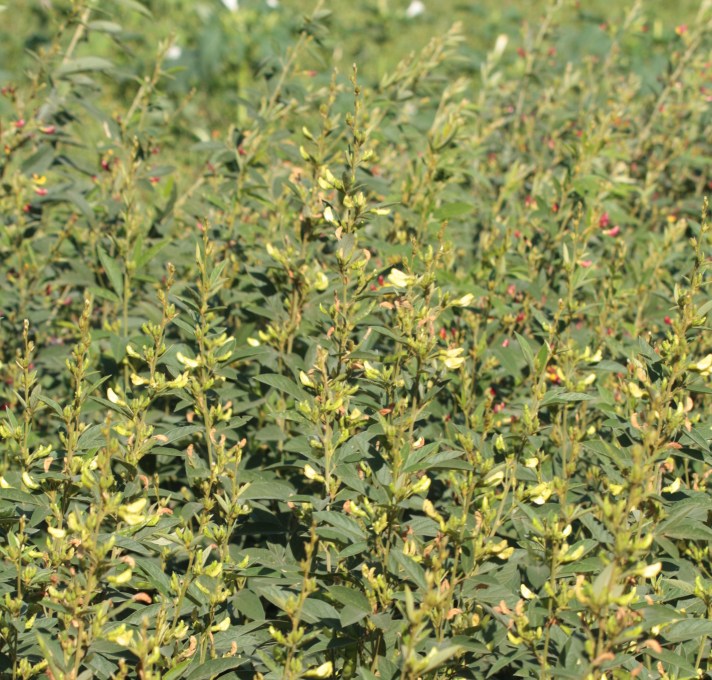
This quarter has seen mixed results with our crops. We suffered the classic dry July which seriously affected our “long rains” bean crop, coming as it did at the point of flowering and pod set. Yields were only 10% of what we had expected. We’ve also suffered the attentions of the resident elephant, herds of bush pigs and seen unfamiliar challenges such as head smut on the maize. Thankfully, the crop base is wider now as we continue to diversify and we have been fortunate to have had beautiful sorghum, “short rains” bean crops planted in August and fantastic Boma Rhodes grass crops for seed and forage production. It has also been an exciting time seeing really promising results from our various trials; beans, soya and pigeon pea.
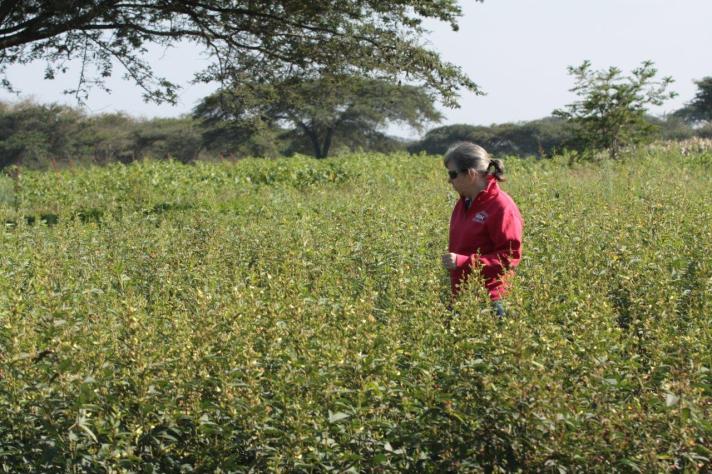
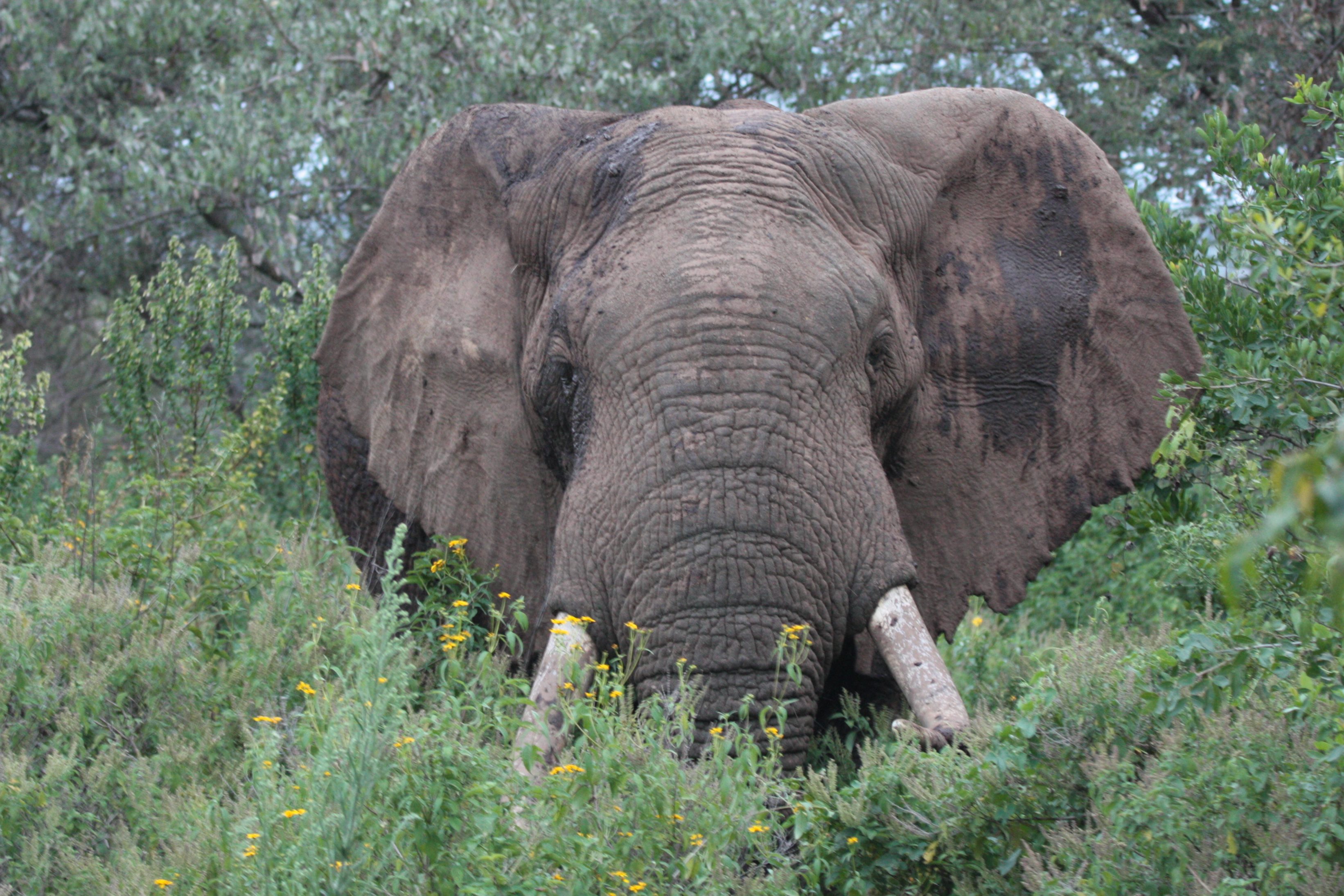
Due to our commitment to keeping ‘wild’ spaces on the farm to promote and sustain biodiversity, we inevitably have to battle with all of the animals that call the farm their home but also want to eat crops. Usually this is not a big problem, as a few nibbles from a reed buck or a few seeds picked up by a guinea fowl are not significant, however this year we have come up against wild pigs and most conspicuously, the elephant, which has been sampling all of the crops and doing particular damage to our maize seed crop. This is also the first year that the elephant has shown interest in the beans which is an unwelcome development. This is now the 6th year that we have had the elephant with us. We realize that we have to learn to live with him and indeed manage him if we are ever going to harvest our seed crops. Control methods continue to evolve and we are confident that we will succeed.
In order to control the elephant we have:
- Installed temporary high voltage electric fences around the crops, which he doesn’t particularly like, but can get through. (This is most effective in keeping wild pigs out.)
- Laid bands of jagged rocks across known access points where he particularly likes to use to get into the field.
- Lined the fence around the crop with chilli soaked rope.
- Put up bee hives with wire triggers.
- Slowly burned chillies along the fence line, the smoke turned out to be quite an effective deterrent.
After significant investment of time and capital spent in animal control, the maize crop was then affected by smut, a fungal infection that has been seen at unprecedented levels across the region. Left unmanaged, a high smut challenge can result in a seed crop being disqualified due to quality control. Management requires infected cobs to be removed, plants destroyed and residue burnt. The number of cobs removed was unprecedented. This was of course extremely disappointing, but as a quality seed grower and producer we cannot afford to compromise on quality. It appears that the high smut challenge was also attributed to the warm, dry and sunny weather in July.

We planted more KK8 and Chelelang in August, this has had good rain on it and we are looking forward to a good crop. This was the first bean crop planted using the GPS system and the results were encouraging. Interestingly, during planting in August we blended the usual NPK 23:23:0 fertilizer with CaN (27% N) and have seen a huge positive response to the CaN in the bean crop.

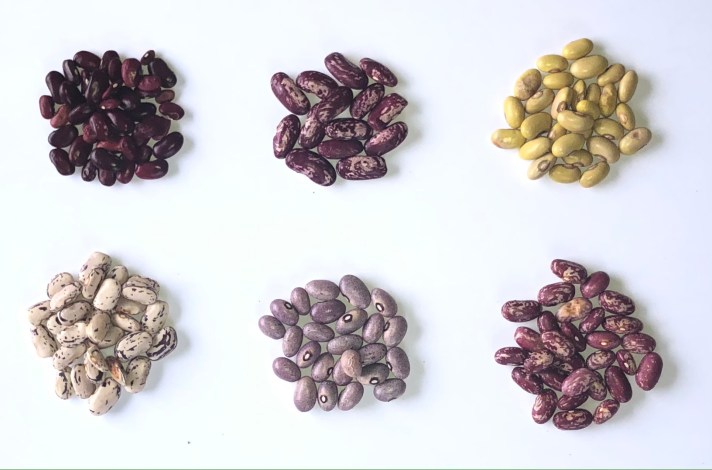
The Bean trials conducted with Kenya Bean Consortium produced ten candidates, three red speckled (one a climber), one black bean, two white with black speckles, two small ruby red, and two pale purple. The next step is to register the varieties on the COMESA catalogue which would allow a faster release of the beans under the agreed Seed Harmonization Agreement. If this process is successful it would potentially be an exciting development for the OPV crops in Kenya.
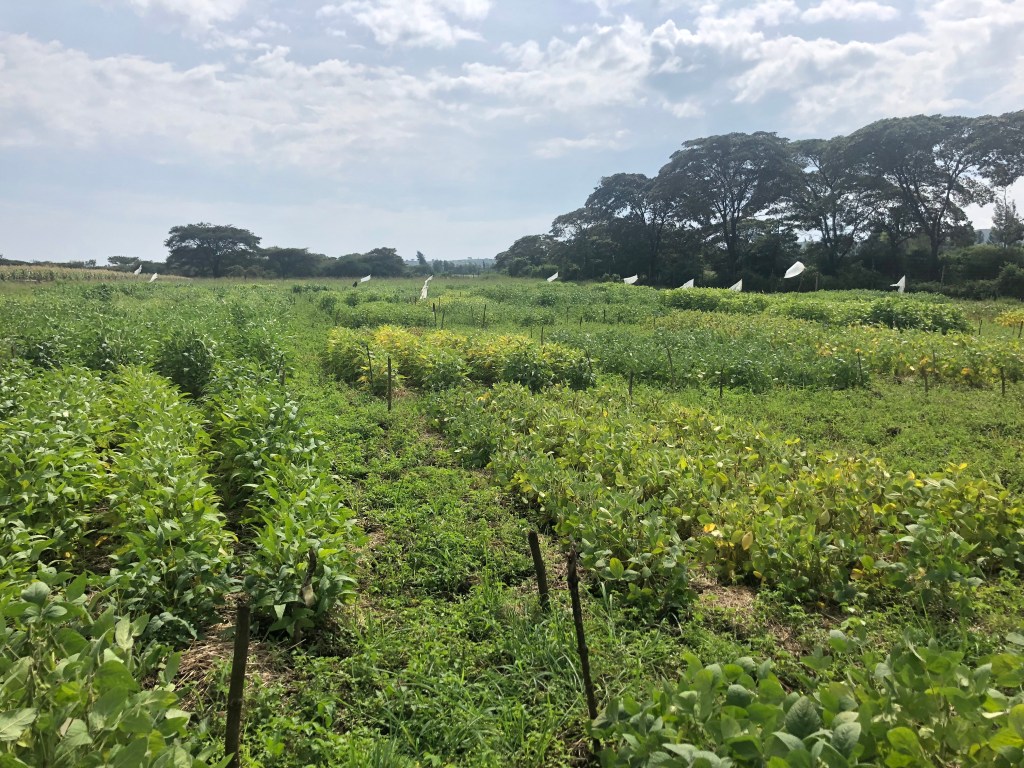
The soya trials were fascinating, with a large variation in the maturity and performance of the different varieties. This would primarily be down to day length or photosensitivity. The data collected will now be used to select for a more refined testing with SIL (Soya Innovation Lab) with the view to release.
Trials on Pigeon Peas are on going and is an interesting crop, several varieties were tested and will be harvested in the next quarter. For our fellow farmers this is a good crop to diversify into as allowing cattle to graze through a small area prior to feeding improves weight gain and milk yields. This is particularly relevant with feed costs spiraling.
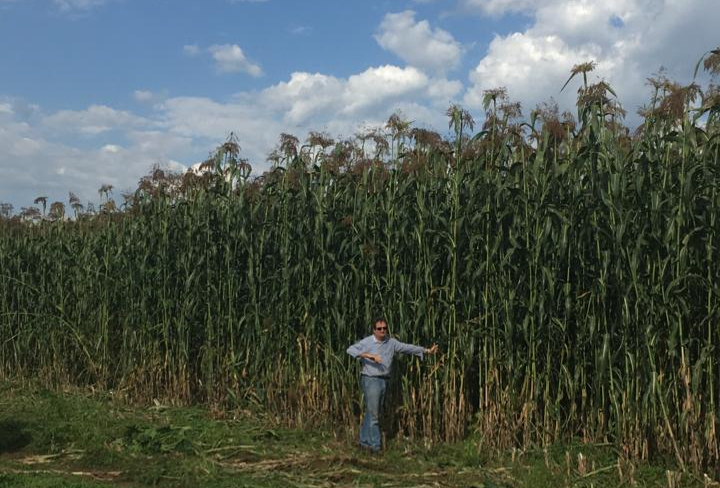
Our forage crops have been successful, Leldet’s E6518 forage sorghum is massive (as usual!) and some will be turned into silage to carry the steers over the dry season, and a seed harvested for sale. Next quarter we will report on our grass forage trails.
The boma rhodes has been a great crop this year, with incredible seed yields and hay sales supporting cash flow between other harvests.


This year we have also planted a trial cover crop for the first time. This is a complimentary operation to the No Till and other conservation agricultural practices being adopted on the farm. This trial used equal weights of pearl millet, green gram, cowpea and pigeon pea blended together and planted through the No-Till Piket planter at a seed rate of 18Kg/Ha, no fertilizer applied and the previous bean/weed stubble was then sprayed with glyphosate. The crop has germinated well at the time of writing this report and we look forward to reporting on the same next quarter.
Livestock
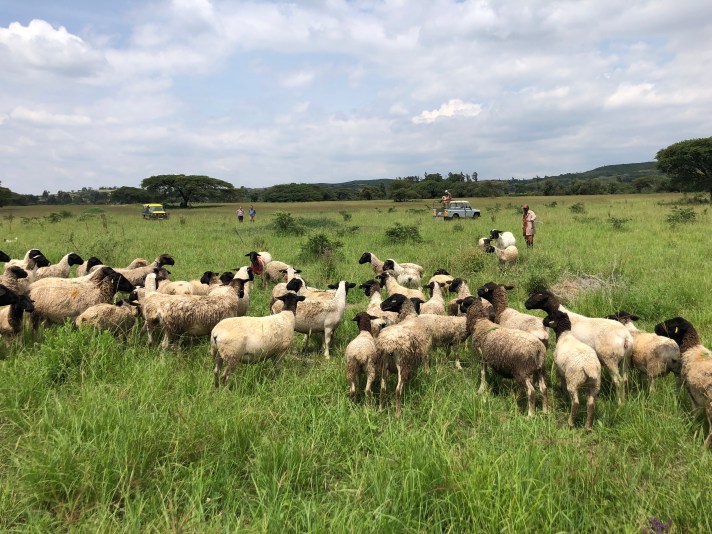
Following a large sale of sheep into a decent market, we have decided to keep the 50 best ewes and purchase two new rams from Mpala Ranch in order to launch a new breeding program. Our two new rams came on to the farm in August and have been christened Jeremy and Kaleb. We have also for the first time invested in marking harnesses and crayon blocks hoping to identify which ram had covered which ewe, only to quickly establish that both are intent on having a go. With two color patches on her rump, we can at least be sure that the ewe was ready for service!
The cows continue to do well and for the first year ever we managed to sell in excess of 100 fat stock to our main client in Nairobi. This is a significant uptick in the herd productivity and gives impetus to the continued investment in forage, conserved feeds and genetics.
The most exciting development in this department is the use of on farm AI. In August we invested in the equipment necessary to hold stocks of semen on the farm; Aberdeen Angus, Charolais and Jersey semen sourced through World Wide Sires. Now that we have Harry back on the farm and he has recently been certified in AI practice, we are hoping to administer AI to some of our Jersey and Boran-Charolais cross cows. We look forward to welcoming the results in 9 month’s time. Ultimately, the genetics of our main beef herd will tend towards Angus and Charolais cattle. We will also maintain the smaller nucleus Boran herd.

Transition
Sadly we lost Mr. Jonathan Leakey in July 2021 after a period of illness. Jonathan was a Director and had previously been a majority shareholder in Chemeron Limited., always a keen supporter of the farm. His support and encouragement will be missed by us all.
As part of this transition, this website will also in future include a section on Lamu under “Chemeron Lamu”. This is a new horizon for us and there are exciting plans in the pipeline for developing the Lamu assets with desalination, hydroponic crop production and other ideas being researched. There is also scope for some real estate development for rental income, thereby ensuring a sustainable cash flow.
Farm Developments
All our plans pertaining to the livestock enterprises on the farm depend upon reliable water supplies. The portion of the farm that was hived off and subdivided is now beginning to sell, thereby generating an income stream for CAPEX developments on the farm and water resources are now in focus. We have commissioned a study on surface water catchment and in the coming months hope to procure a range of rubber lined steel tanks to hold 400m3 of rainwater, several 20,000 litre plastic rain water tanks and we have plans to line one of the earthen reservoirs on the farm with an impermeable membrane. Rainwater harvesting from existing roofs and the dam should provide 60% of our annual needs.
Many years ago we attempted to drill two boreholes on the farm, these proved to be dry down to a depth of 280m. However, there is increasing evidence that our area does have water bearing aquifers but that they are generally below 300m in depth. In view of this and with improved analytical technology, we are encouraged to try again and this will proceed in the second half of 2022 once the surface water collection investment has been completed.
In a related investment, the farm has also procured a third hand JCB backhoe loader. This unit will be deployed to develop water pans across the farm and to dig drainage ditches with the express objective of filling the older dams that are in place on the farm.
We have also been undertaking some accommodation improvements for our employees by constructing new staff housing, this will be complete before the end of the year. Additional plans include showers, changing rooms and the provision of lockers for the storage of clothes and PPE.
 Rajwera Farm