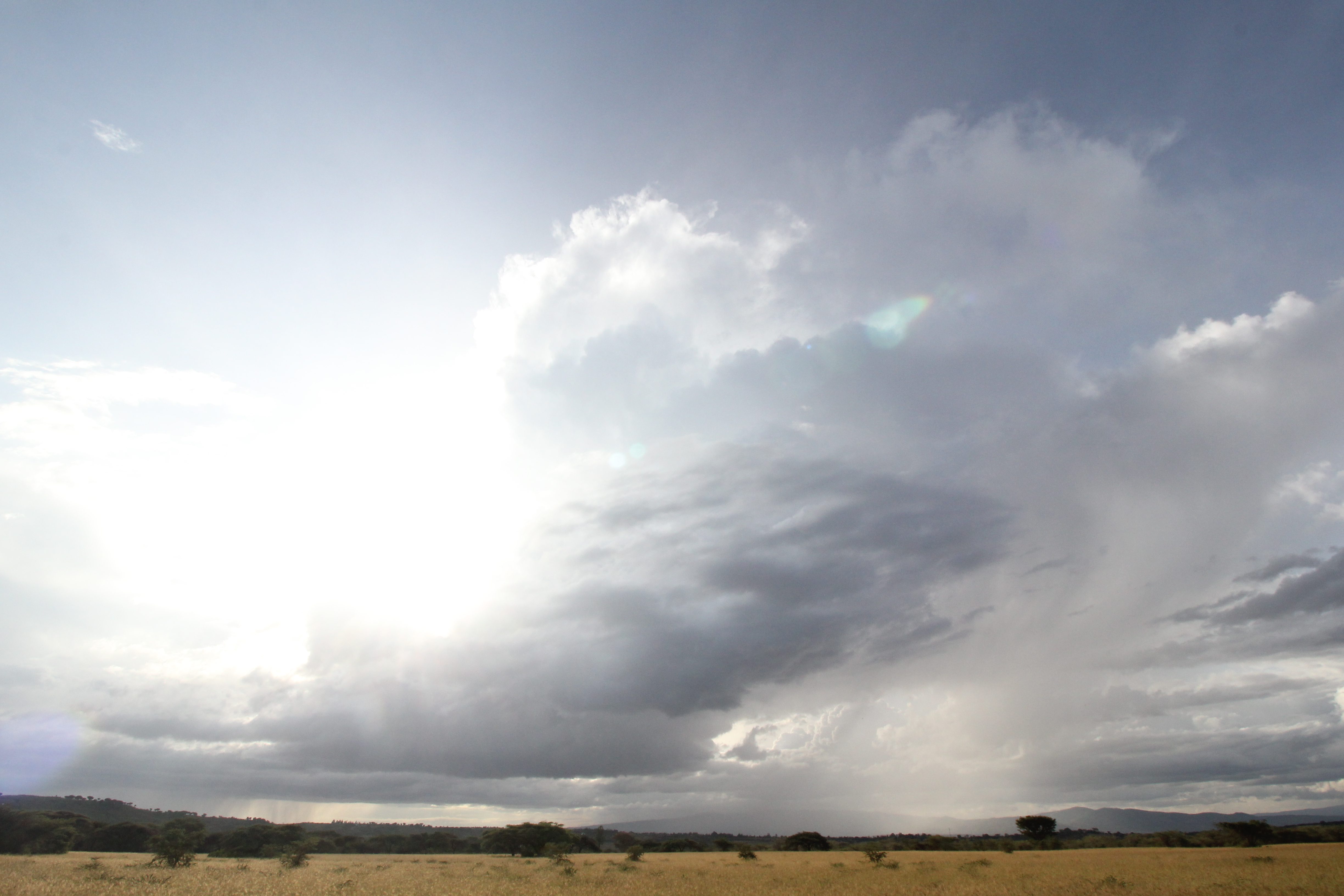
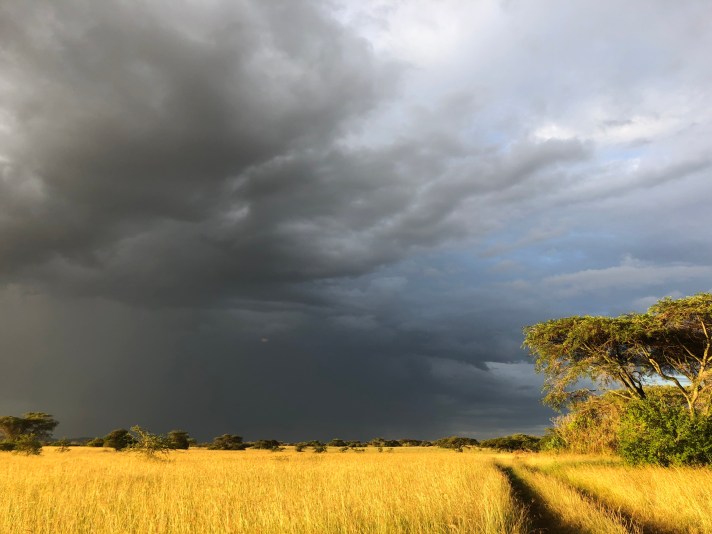
It has been another busy and successful quarter at Rajwera. We have been fortunate to have continued good rains, despite the regional drought, this has kept pasture growing and helped some of the short rain crops produce good yields.
The resident elephant has left us for his annual Christmas break. We hope he is safe and sound wherever he is, and we are enjoying a respite in the destruction by fixing all of the broken fences.
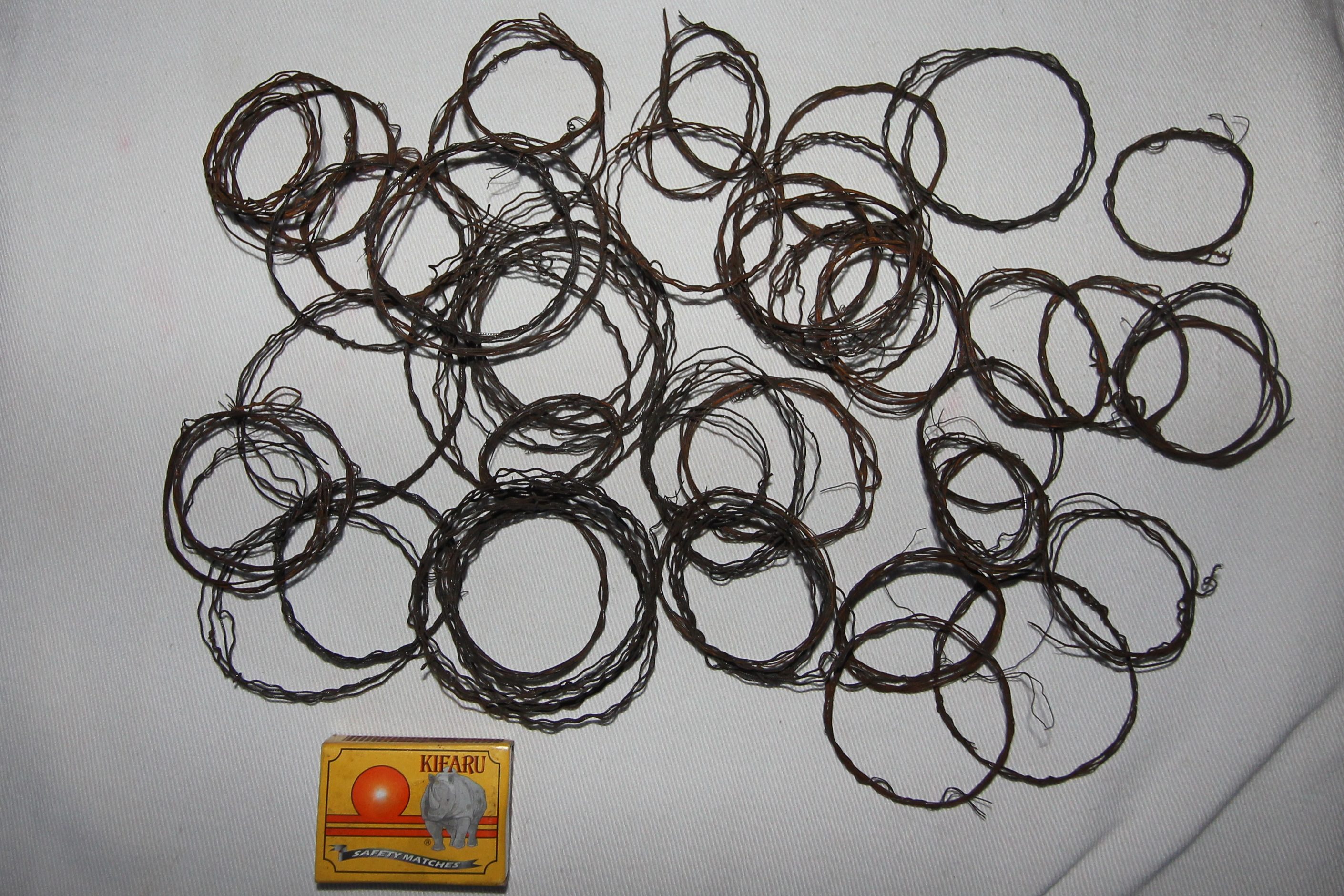
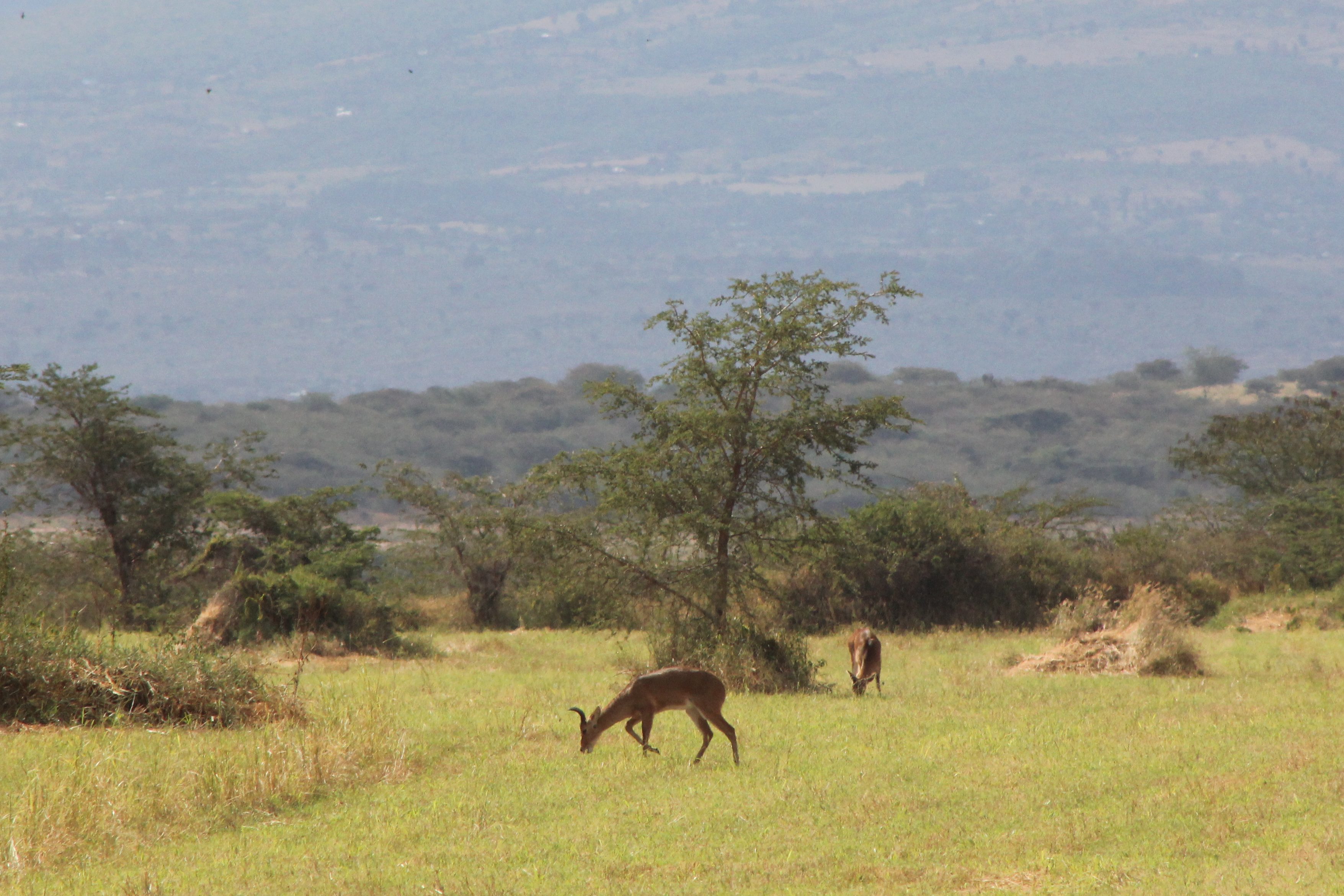
Sadly, we have seen an increase in the amount of snares being placed in the shamba, with 56 being removed in December alone. These target small antelope and birds (such as guinea fowls) and lead to a lot of suffering and damage.
Crops
The short rains growing season was successful, with good beans, sorghum and grass harvests.
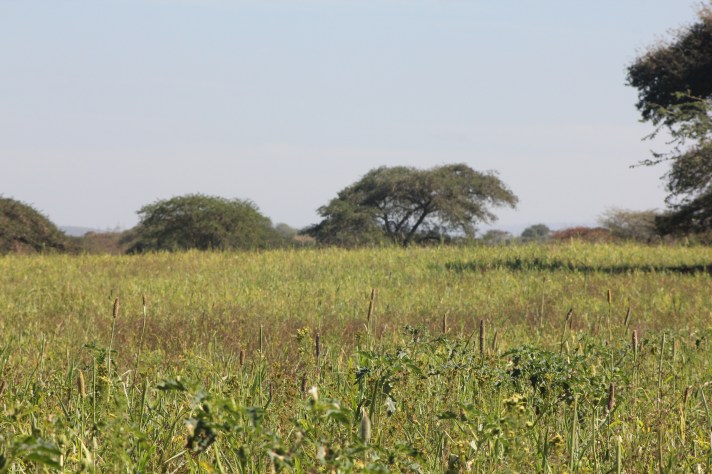
We turned some of our E6518 sorghum into silage, but due to its popularity, kept some of the crop back and harvested it for seed.
We harvested our KK8 beans from the second, short rains growing season and were pleased to have record yields – we attribute this to using mixed base fertilizer including CAN and high quality seed.
We’re excited to share that we have planted a dedicated cover crop for the first time. This crop is a mixture of millet, pigeon pea, cow peas, green grams and then volunteer beans from the first season’s bean crop.
We have continued to produce hay, with a marked increase in demand due to the drought and the price per bale doubling.
Livestock
The drought has increased disease burden in the region, with some cases of foot and mouth cases being reported. So far we have been fortunate to escape this, however we are being exceptionally cautious.
We sent off another load of 24 cattle to Choice Meats, this regular shipment of high quality beef which is helpful for cash flow.
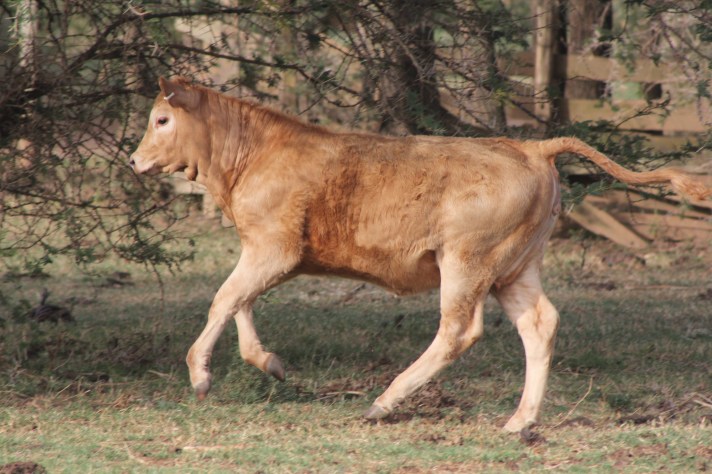
In October we conducted a complete herd census, we are keeping discipline in retaining our target stock, removing older breeding cows as higher quality heifers come through. We’re seeing the impact of the improved stock, for example in our November weaning the majority of our weaners (aged 9 months) were over 200kgs.
The new Dorper rams introduced in last quarter’s report came out of the herd in December for a targeted lambing cycle with the first crop of lambs in March through to May to coincide with the rains and subsequent good grass.
Life on the Farm
All staff who wanted to get vaccinated had the opportunity to do so through AVAT – African Vaccination Acquisition Trust. We welcome the protection this brings but the need for continued caution was highlighted in December, when the whole family came down with Covid. Fortunately no one was hospitalized, and no staff have been seriously ill.
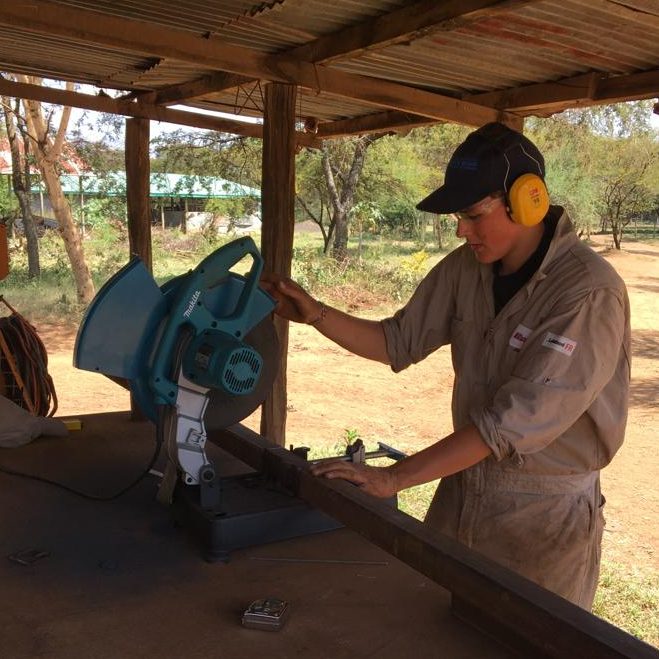
We have been increasingly investing in workshop equipment, we want to be able to do high quality fabrication and maintenance on site, the investment is key to help us move away from “jua kali” jobs.
We’ve recently uploaded some new images to the website from our motion sensor cameras. The page can be found here.
We look forward to a safe and prosperous 2022, and wish you a happy new year!
 Rajwera Farm