Water
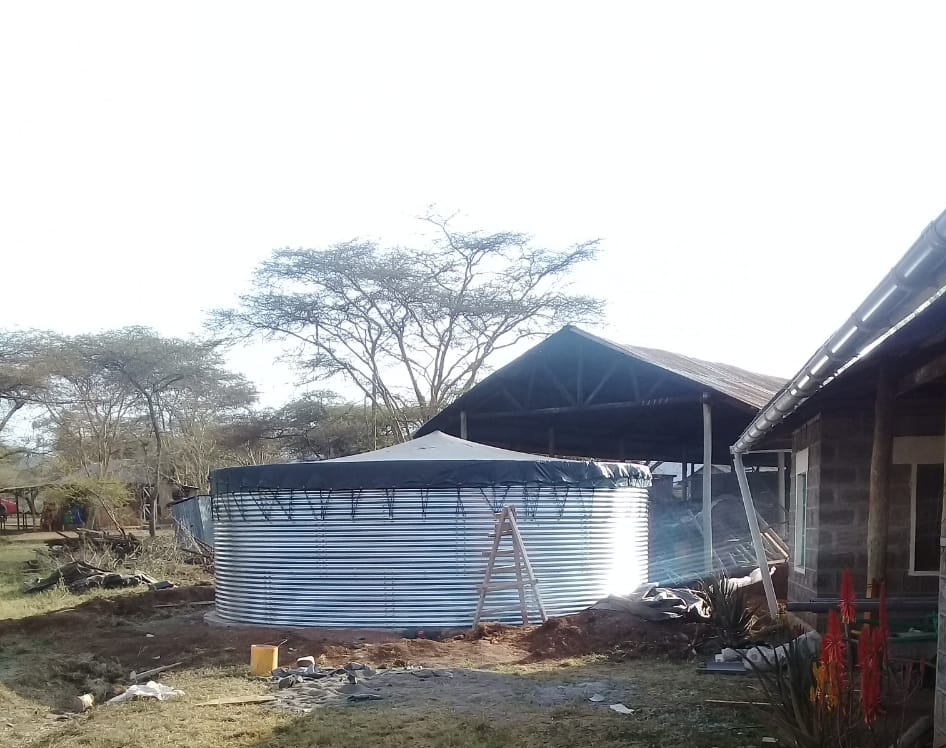
Coming into 2022 we were already feeling the impact of the worsening drought, this has really focused attention of securing water for domestic and livestock use. Guttering has been fixed to all the roofs and tanks bought for storage with a Maji Storage tank of 100,000lts being erected at the office compound for further storage before being pumped into a dam. The dam will be lined later in the year and also a further 100,000lt and a 200,000lt tank are being planned. Two borehole sites have been identified and drilling/abstraction permits granted.
Livestock
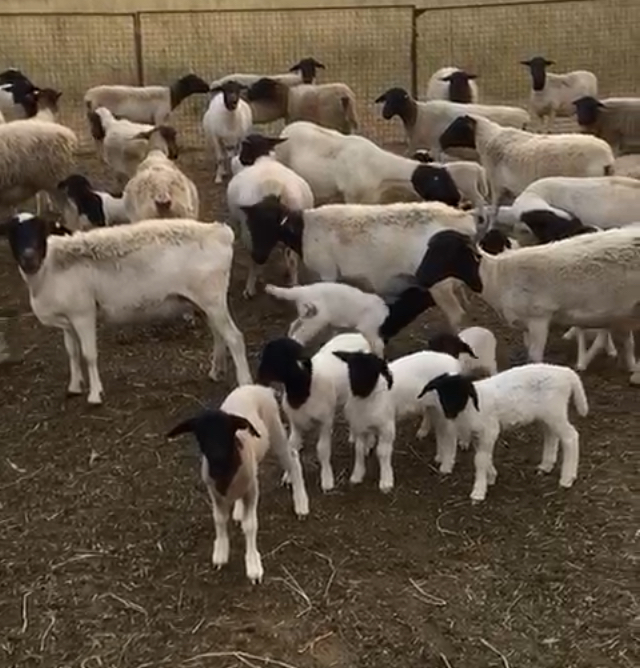
Despite the dry weather the sheep have had a successful birthing season with the loss of only three lambs and 55 surviving. The plan of putting the Rams (Jeremey and Caleb) with the ewes late September seems to have paid off with a batch of lambs ready for market later in the year helping cash flow predictions! The cattle were vaccinated against Foot and Mouth and dewormed and have been fed grass and sorghum silage in their night bomas every day. This has resulted in the cattle coming through a tough dry season without losing condition and being able to sell premium grade meat to Choice Meats.
Seeds
Leldet continues to participate in the Pan African Soyabean trials and with the assistance of Promasidor has entered an IITA soyabean variety into National Performance Trials. Production to start in 2024 if the variety is successfully released.
The Kenya Bean Consortium of which Leldet is a founding member has been busy with identifying varieties for commercial production. The Consortium will be requesting an exemption from the National release committee in May as the chosen varieties have been released in more than two East African Countries. If this is successful it will be a game changer for the Kenya Bean market and in particular the small holder farmer.
The bean and sorghum seed have again passed their germination with percentages in the high nineties and will be ready for farmers to purchase in April, including small packs of Kat B1 which is a yellow bean.
Crops
Preparation has been made for the coming planting season with a brand new Leldet maize variety WE5135 being prepared for planting, We are tremendously excited about this variety as it will be MLND resistant and offer our farmers a better option than what they have now.
Harry and Kurgat attended an AATF training on seed maize in Ziwani, and they both found the training interesting and enlightening. We look forward to their input in the coming season.
Our emphasis on regenerative agriculture using practices such as strip grazing, minimum tillage etc are paying off with soil samples showing that our organic matter is 7.2%. We hope that with the continued emphasis on ground cover and minimal soil exposure we will continue to grow our soils and keep them healthy. This is especially important with the raising cost of inputs and cutting back on fertiliser. It will be interesting to see the effect on the maize crops this year as it will be planted into a cover crop which was a mixture of millet and pigeon pea.
Wildlife
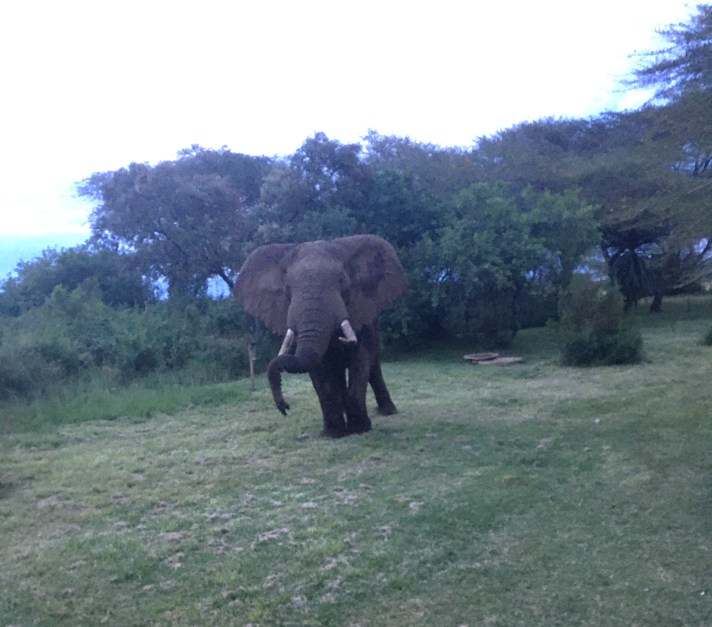
The Elephant came back on Valentine’s Day though he was a bit late getting into the farm and was quite stressed when he eventually got through the fence. He went into the sisal and stayed there for a few days recovering before reacquainting himself. We would like to thank the Mara Elephant Project, Mark Goss and the Kenya Wildlife Service (KWS) as they came and put a collar on the elephant who is now known as Lolotoo meaning wander in Masaai. Harry was on the farm to assist and managed to get a ride in the helicopter! We are now able to follow him on Wild Tracks app which when he moves off will be interesting to see where he wanders. The team collaring Lolotoo were impressed with his condition which Janey puts down to him eating the ratoon crop of Leldet sorghum E6518.
Elliot and Nigel were able to rescue an egg eating snake and took the opportunity to discuss the benefits of snakes.
This year we have been under enormous pressure on the north boundary as the neighboring farm has been unable to control opportunistic grazing herds of cattle which has led to attempts to invade our farm for grazing. So far, all efforts have been unsuccessful, but the fence team have had to be on their guard and respond to fence alarms etc. Alfred Rono and Harry went on a two-day Instarect fencing course and have come back with new ideas on how to keep the boundary electric fence better maintained.
Lamu
In January Harry Rono Philip and Maurice went down to Mnazi Moya to build the boundary fence. It was extremely hard work with hot days but the team did a super job and managed to take in some sight seeing by going to Takwa Ruins on Manda island.
 Rajwera Farm