This year got off to a punishingly dry start! While January, February and most of March are usually dry, this dry season came at the end of a prolonged, crippling drought and really tested all of our systems!
We were fortunate to receive rain at the end of March, and this has happily continued into April. Our rain is usually associated with Easter, which is early this year.

Crops
With very little moisture in the fields we had no crops growing at all this quarter. Most of the fields were fallow, with even minimal grazing capacity.

We did have very good bean seed sales in Bomet, our stocks completely sold out within a month.
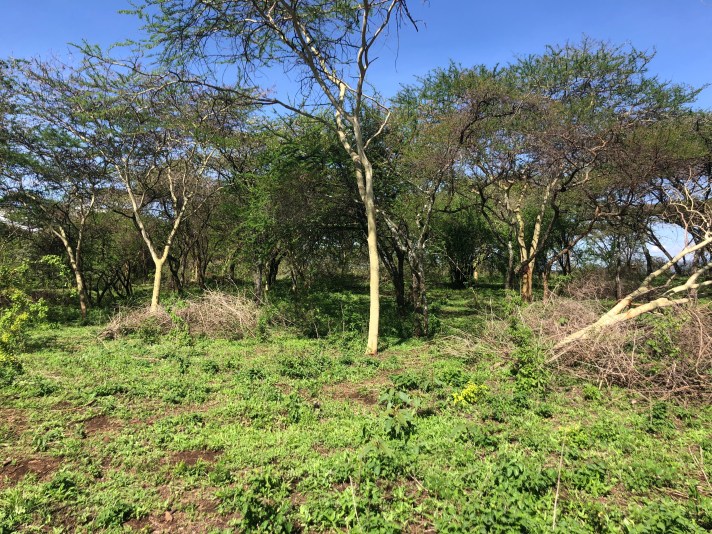
We used the dry season to build up a little tree nursery with well over a thousand Acacia tree seedlings, which we will use to replace fallen and old trees, especially where Lolotoo (the resident elephant) has knocked over or damaged trees.
Livestock
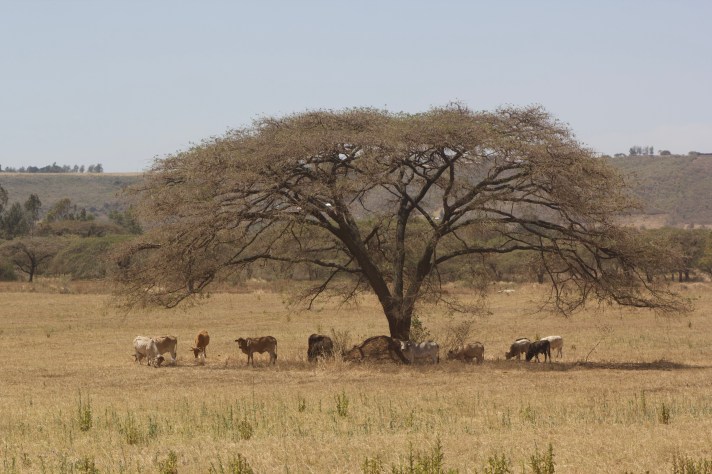
The cows have come through these harsh conditions very well, maintaining condition and still looking very healthy. Some steers were sold to Choice Meats, all of which were graded as Premium. This is in large part thanks to our preparation for the dry season, especially, silage and hay.
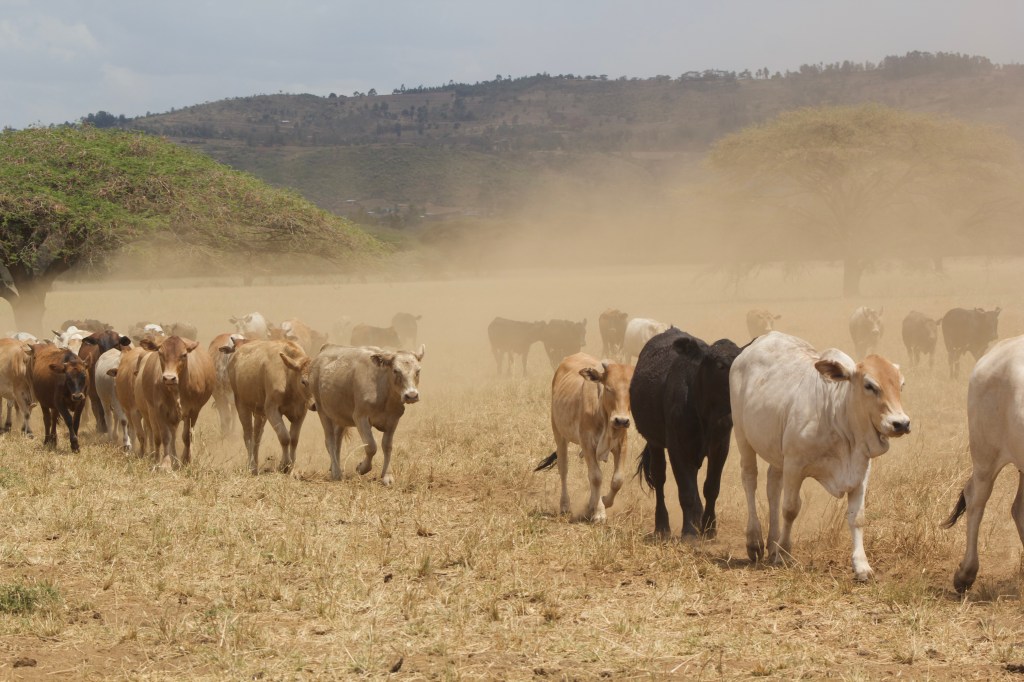
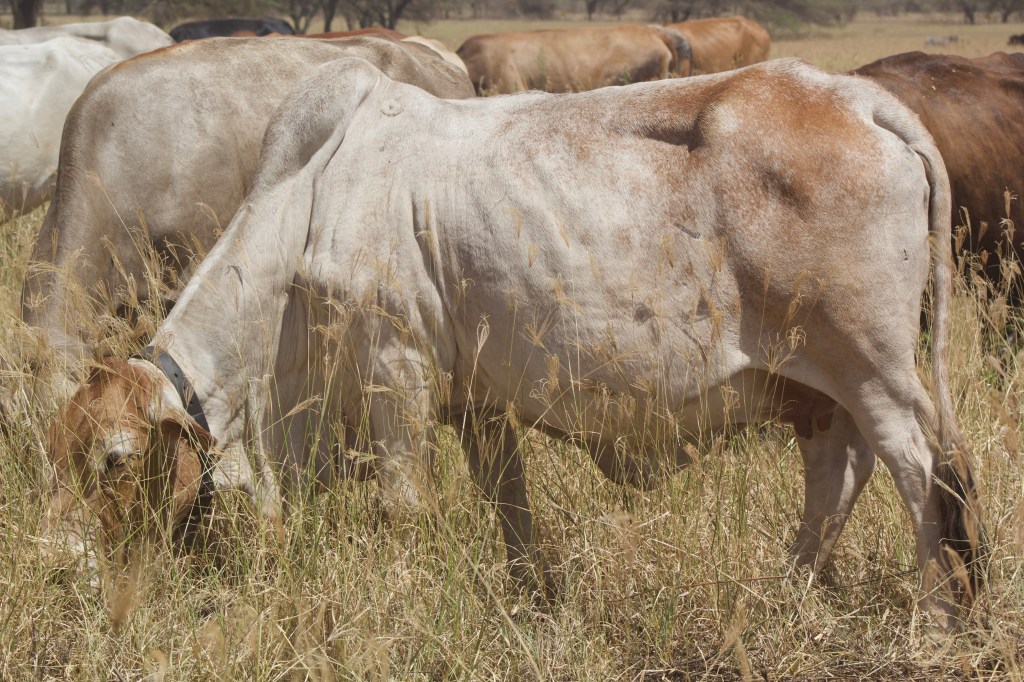
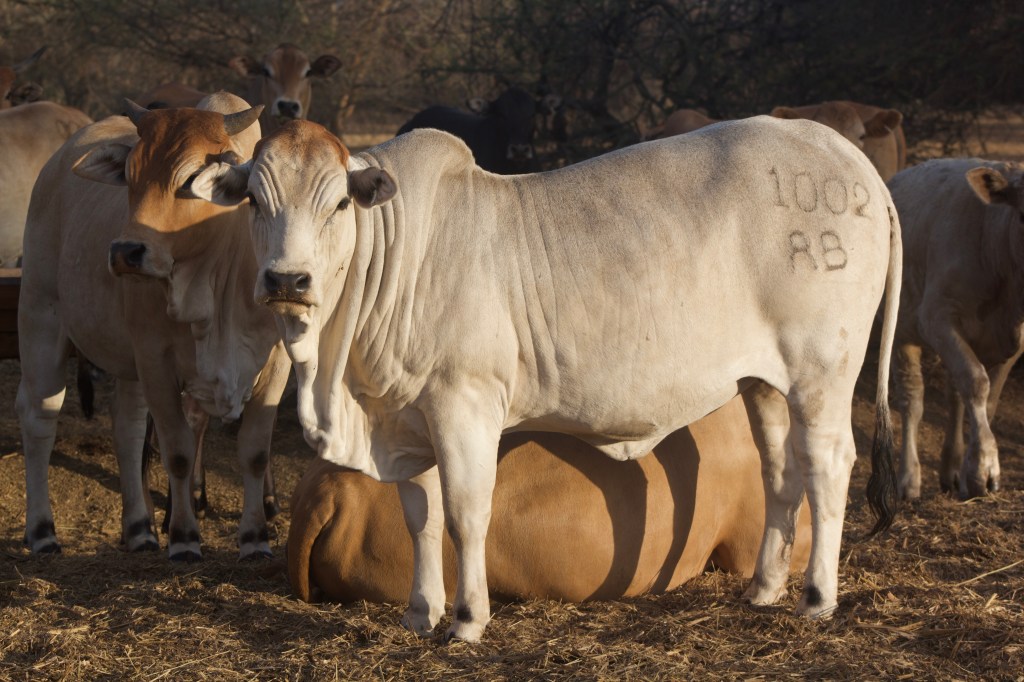
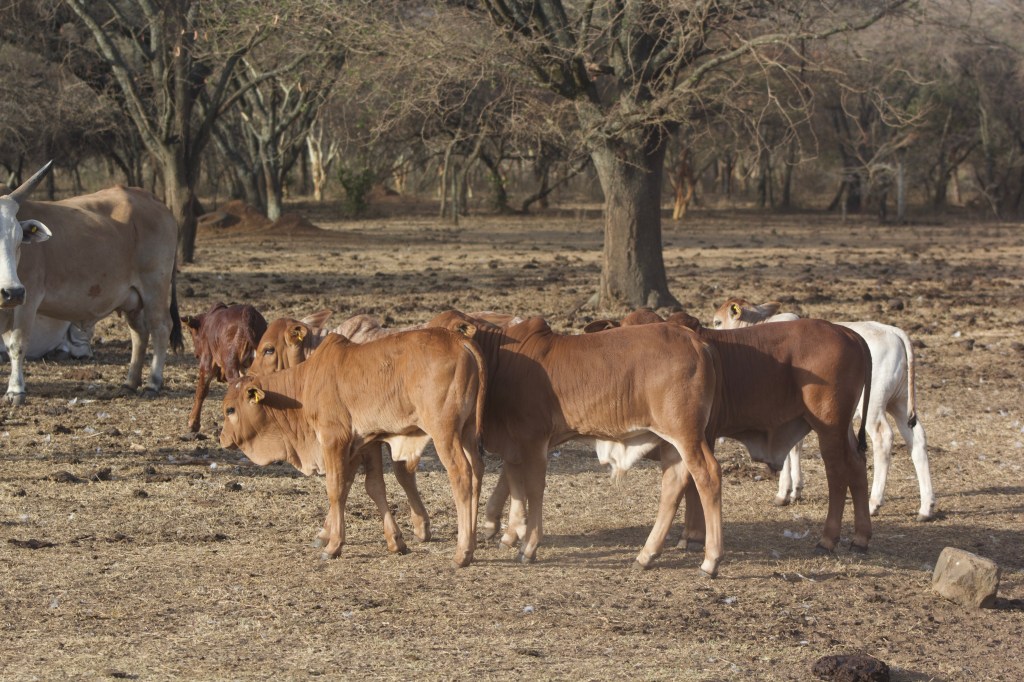
The cows also benefited from Acacia siberiana seeds, which they absolutely love! The experienced cows know to run to the right trees, and will spend all day picking up the delicious seeds.
We vaccinated for Foot and Mouth, and were lucky not to have any other outbreaks, especially as there was a significant amount of Contagious Bovine Plural Pneumonia (CBPP) around in neighboring counties, and the dry weather led to a lot of movement of livestock around the country looking for grazing and water.
The Dorper sheep are in their element enjoying these conditions, this quarter we got a new ram from Borana to introduce some new genes to the herd.

Water
With the drought the cattle were drinking a huge amount of water, and with Lolotoo’s daily showers our capacity to keep troughs full was stretched! Each dry season this is becoming a more critical issue, as pressure on local water sources is increasing, with lorries coming all the way from Nakuru town. We were fortunate to be able to access borehole water from Kampi ya Moto, but the situation in the long term is untenable.

To mitigate this, we continued with the preparation for getting our new borehole online, with a new pump, generator and piping infrastructure. This is complicated by the high temperature of the water in the borehole, which means that the motor and generator are over sized. We have been busy building a special generator house and security accommodation on the site, and have coordinated with the county to put a pipeline across to the main farm. The water will go to a stone tank, from which it will be pumped to elevated tanks for further distribution.
We’re really excited about the potential for this new resource to unlock new opportunities, while ensuring we’re able to see livestock through challenging conditions.
Wildlife and Environment
Lolotoo has been making his presence felt, both on the farm with lots of tree damage, and on neighboring farms where he went on a couple of nightly raids. We tried to stop this by putting an extra electrified wire along our southern boundary, while also making sure that neighbors were able to coordinate with the area Chief and KWS to access the appropriate compensation.
We’ve been making use of the dry conditions to continue our efforts to combat invasive Lantana, the rains at the end of March show the impact this will have as newly cleared areas are coming back with lovely native vegetation that will make for good herbage lays.
Life at the farm
We’re continuing staff training, with one new driver licensed and increasing computer and record keeping capacity amongst the management. Everyone is really relieved to have some reprieve from the drought, and we hope that 2023 will bring bountiful harvests for all!

 Rajwera Farm