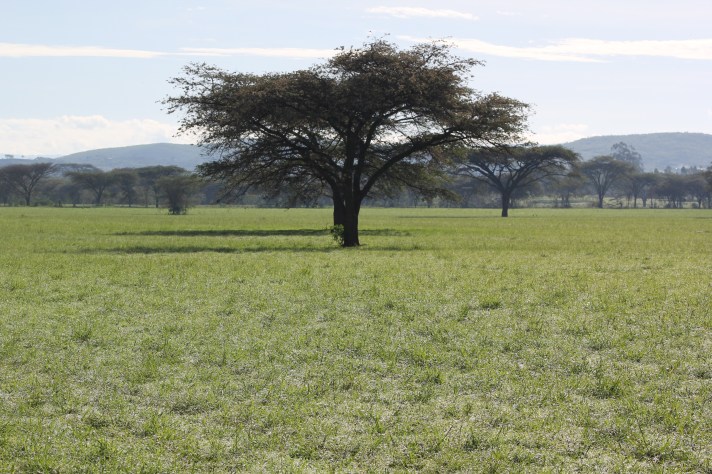
April, May and June mean one thing – planting in the long rains! This year we received moderately good rain, with 195mm in April, continuing into May before drying out in June.
Crops
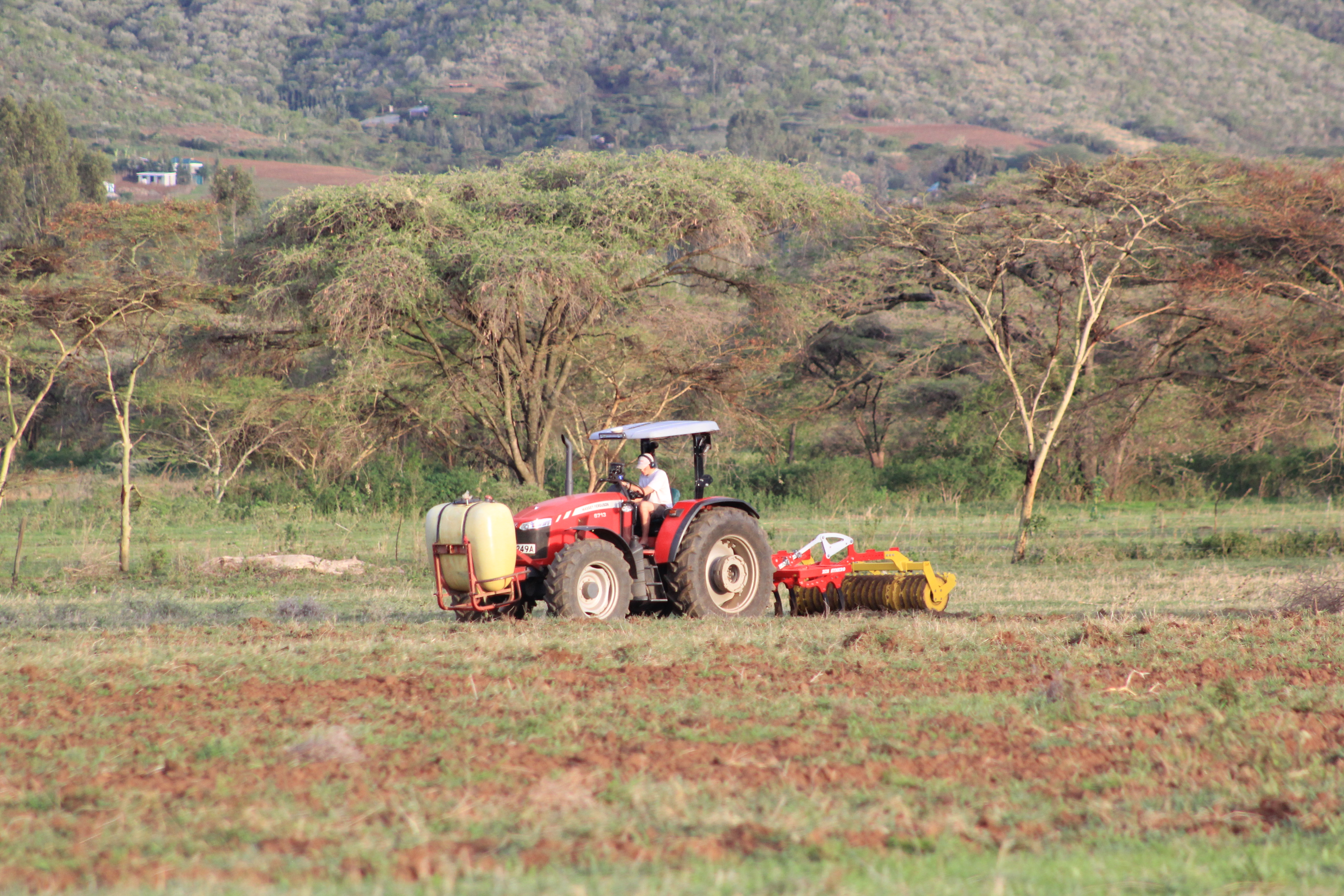
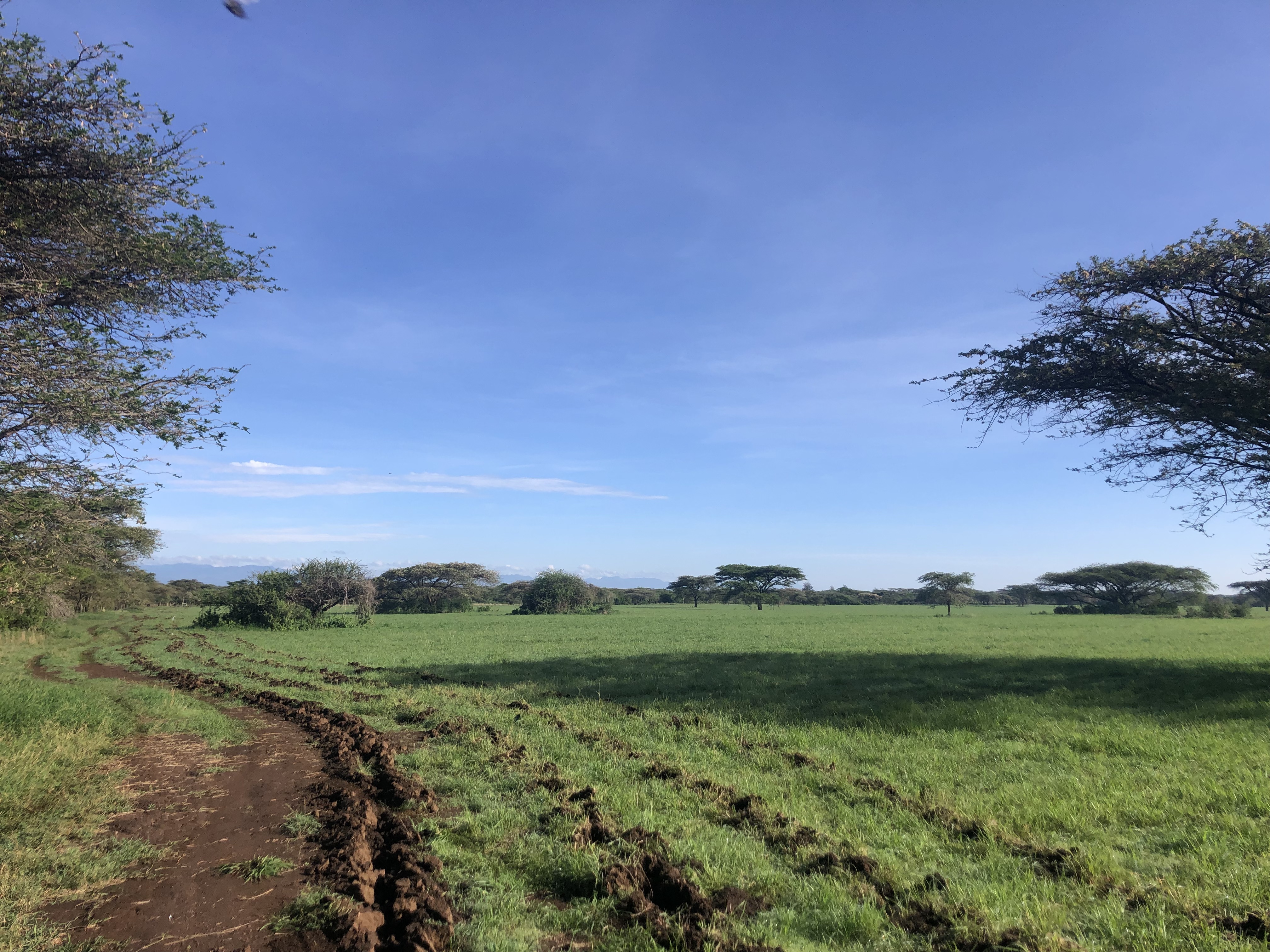
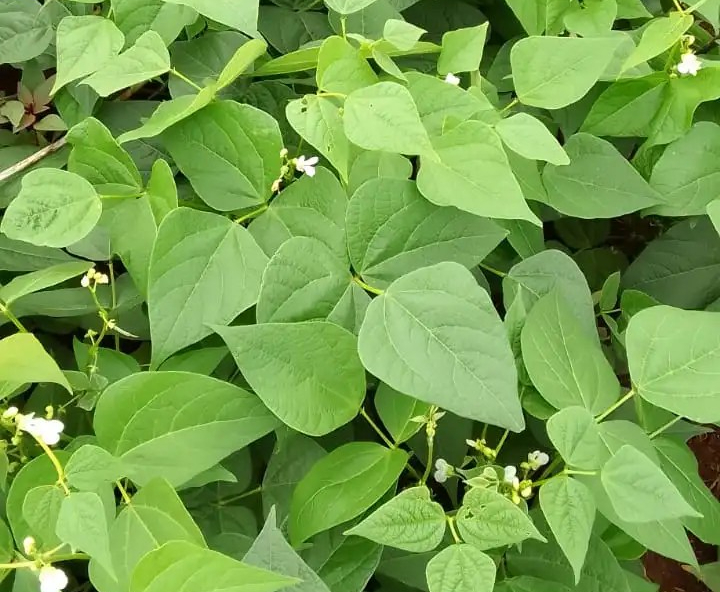
In keeping with our ongoing crop rotation, we planted beans, sorghum and grass in April, taking advantage of the rain and the moist soil. These crops are planted with minimum tillage, with only our fallowed grass fields receiving deep tillage to break up compacted soil structure. The beneficial outcomes of many years of this practice are evident, in the first large storm of the year (40mm in one hour!!) we didn’t loose any top soil to erosion, with all the welcome rain water infiltrating into the parched soil. Additionally, soil analysis shows our soils have an organic matter content of 5%, which we aim to increase further.
All seed crops were registered with KEPHIS, whose inspections are on going. We also conduct daily scouting to monitor plant health and progress, and keep an eye out for any pest or disease threats that might need to be nipped in the bud.
Livestock
The extended drought took a toll on all of our pastures, this year we kept the cattle within their home bomas for two weeks to allow for the pastures to recover. This also gave us the opportunity to repair bomas, and generally maintain herds through weaning and organization.
After taking courses in the UK, both Nigel and Harry have been carrying out AI, this quarter we had our first AI calves! We also bought a new Angus bull from Marania, so we’re looking forward to seeing our herd genetics continue to improve.
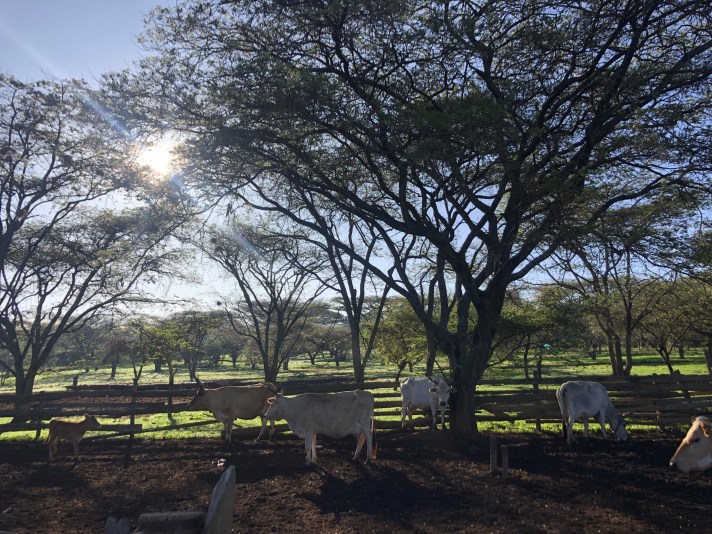
With the rains we expect disease burden to reduce, especially major threats such as Foot and Mouth. However the next door farm had an outbreak of Anthrax, fortunately we were able to act quickly to vaccinate our herds and we’re grateful that we had no cases.
This quarter we split the sheep into 2 flocks, each with their own rams, Jeremy and Caleb. We had a successful lambing season, with minimal losses, and a surprising number of twins, which is not something we’ve experienced at high rates in the past, we’ll aim to select for this in the future.
Water
The borehole finally started pumping water, the water storage infrastructure was completed and we were gearing up to transport water by gravity through the farm. However, disaster struck when the pump failed, we hope for this to be fixed in the next quarter.
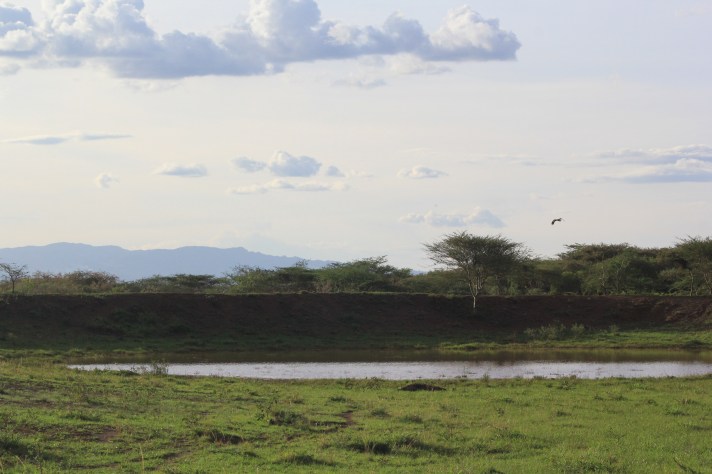
Our dams collected some water, though due to the land management practices we actually have minimal runoff to fill them!
Trees
For an additional income stream and to meet growing demands for firewood and timber, we have are trialing commercial stands of Cypress and Eucalyptus trees. We also planted Avocado trees, however these are unfortunately being eaten by antelope and pigs, highlighting the ongoing need to adapt to farming along side thriving wildlife.
Life on the farm
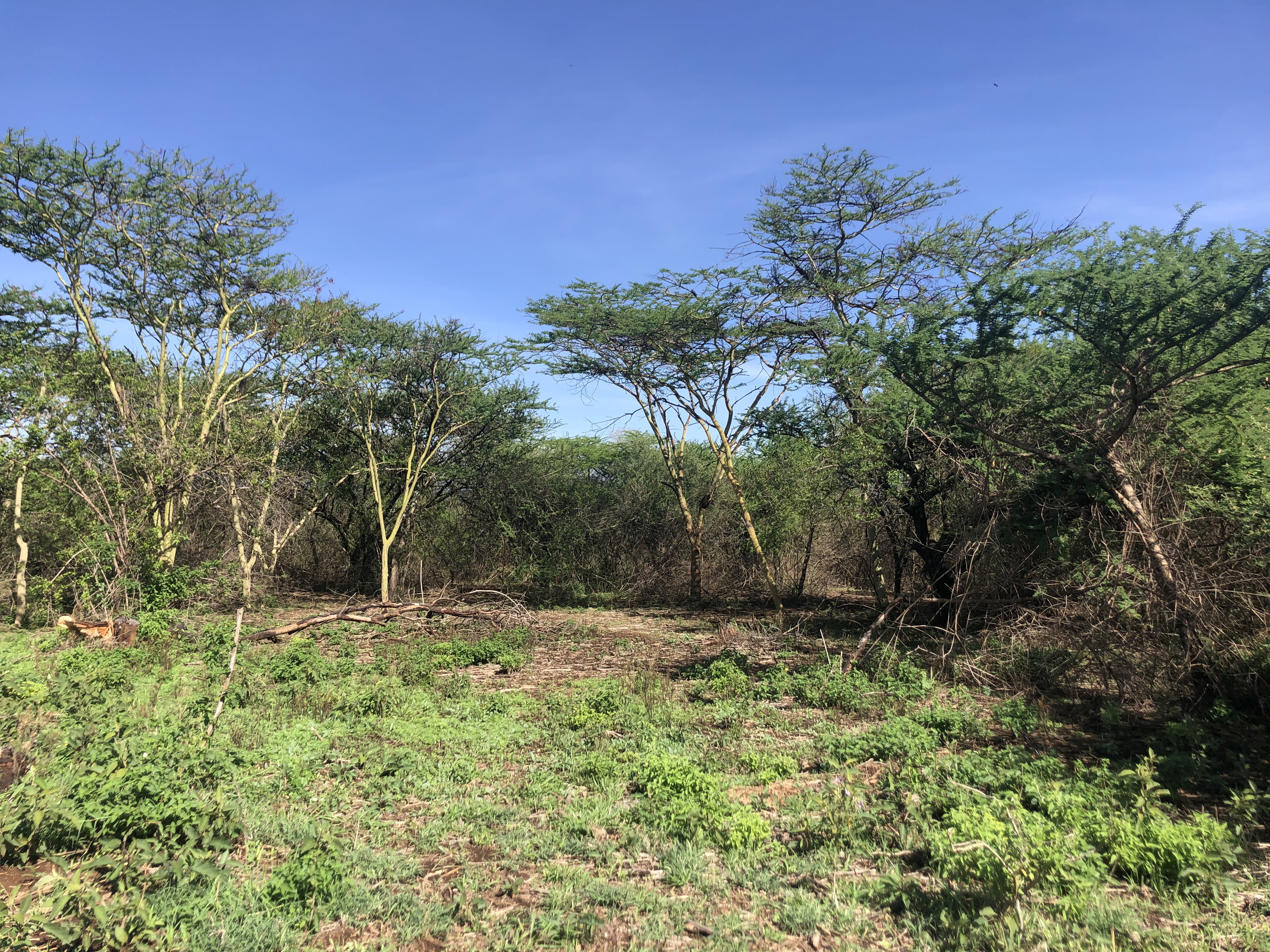
We’re so pleased to have a respite from the drought, which was really taking a toll on people, animals and the landscape! The resident elephant, Lolotoo, left the farm and has been tracked to highland forests nearby. In his absence, we’re continuing to repair fences, collect trees he has knocked over and clear invasive lantana.
We’re looking forward to a successful growing season, hopefully with a bit more rain than we had last year!
 Rajwera Farm