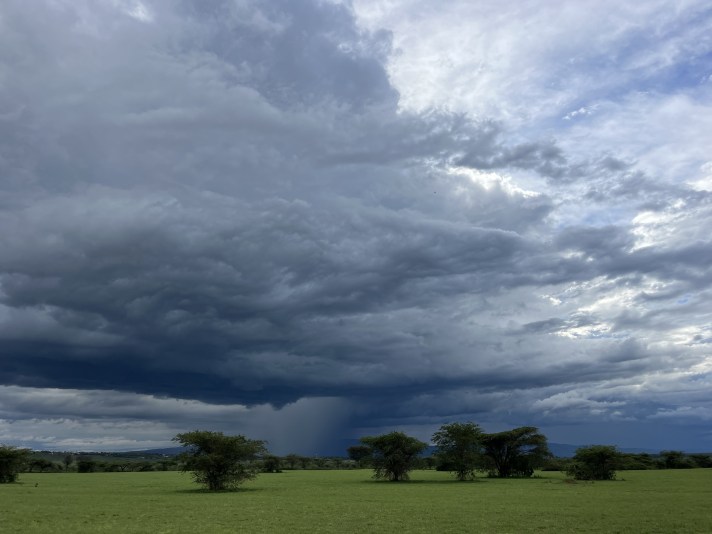
What a start to the year! We’ve hit the ground running on a new year and a new growing season. This year, the rains came early, with more rain in March (267mm) than we’ve ever recorded! This meant that we had to fly into action with field preparation, securing inputs and getting seeds into the ground.
Crops
This year’s planting season was a little hectic as we were caught short by the rain, we usually don’t plan on planting until April, once the rainy season has really kicked in – once we’ve had at least 50mm. This year however, what are usually the early-March grass rains turned out to be the onset of a very good rainy season.
In addition to the unusual rain, we’ve faced extremely unpredictable and high input costs – with the immediate threat of diesel shortages (luckily averted!) and the grim longterm projections for fertiliser and chemical costs.
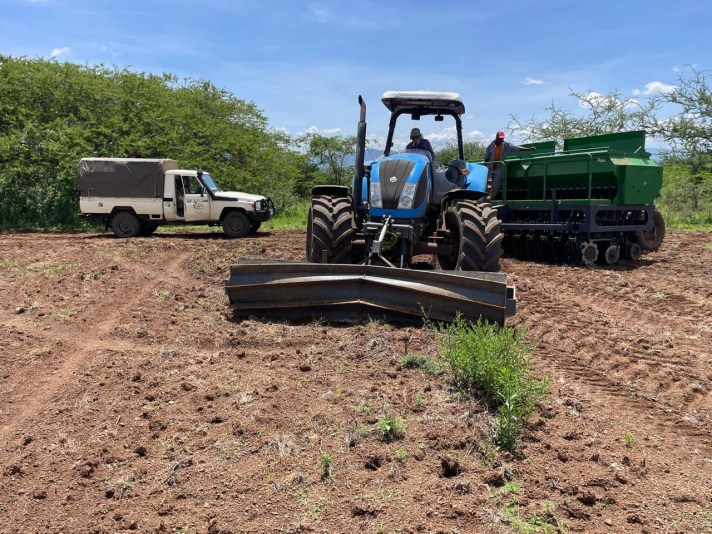
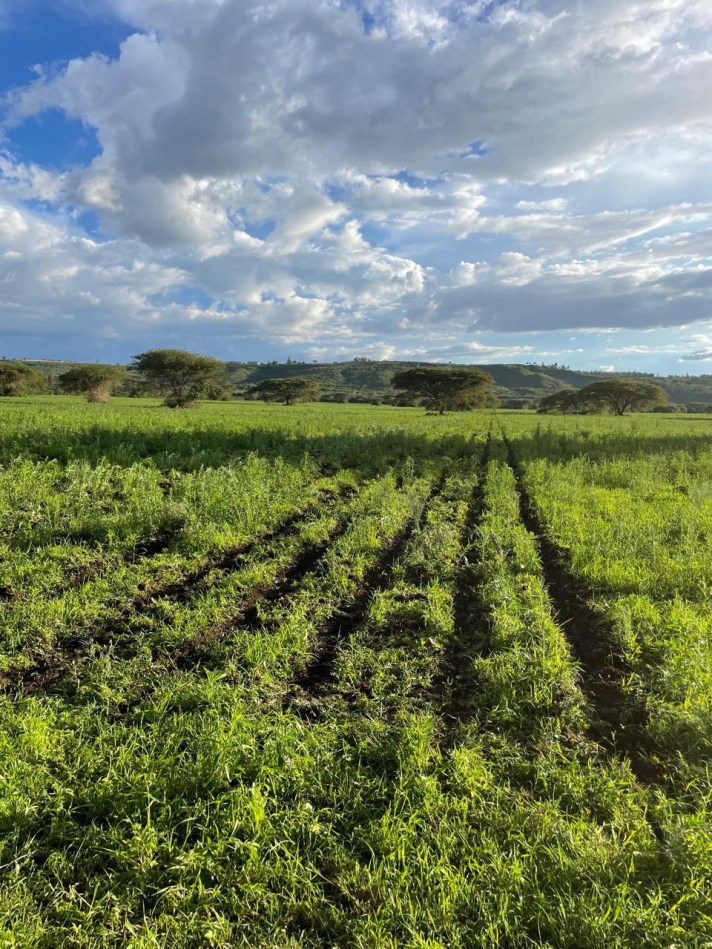
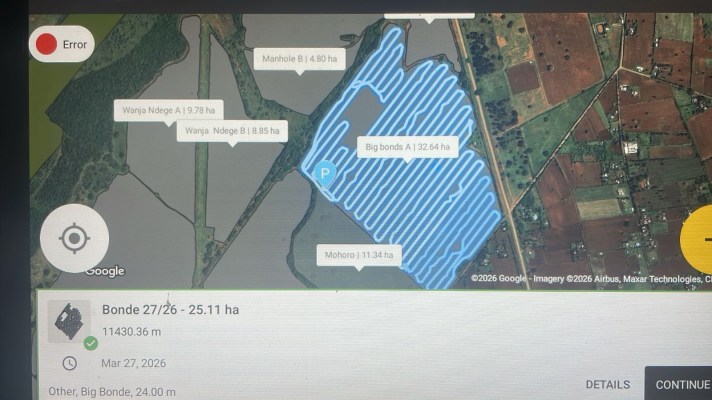
We managed to get our crops – Beans (Chelelang, Kat B1), Sorghum (E6518 – forage sorghum), Maize (WE 5135) and Grass (Boma Rhodes grass) – into the fields, all with the help of our new Field Bee satellite system. This uses a ground station or internet connection to guide tractors in order to align and track field preparation, planting, spraying and fertilising. This took some trial and error, but the Field Bee system is very intuitive and straightforward.
Livestock
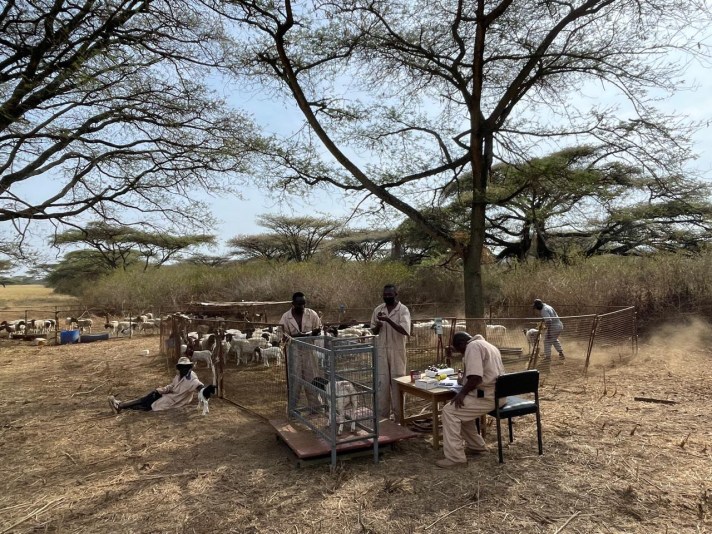
We had an unmitigated disaster with our sheep this quarter. We recently introduced a new ram, which was unfortunately infected with Chlamydia. This led to the most horrendous die off of sheep, we lost over 90% of our lambs, and it took a while to diagnose the issue. However, all of the ewes have now been treated, and we are planning on introducing new rams soon in Q3 of this year.
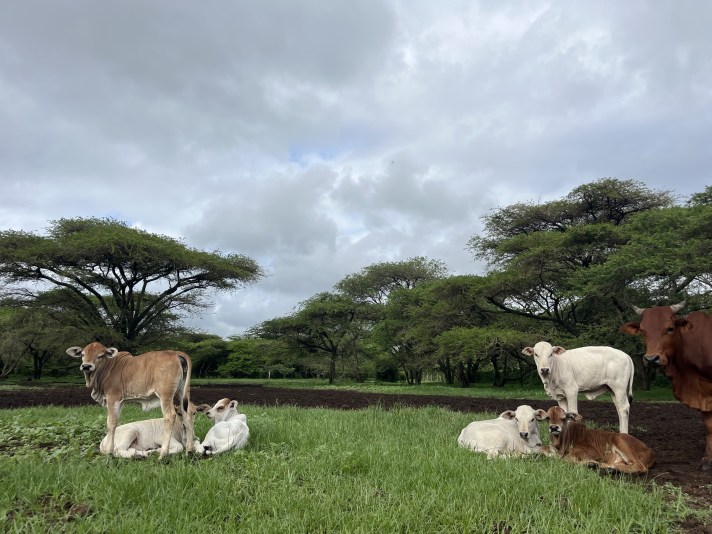
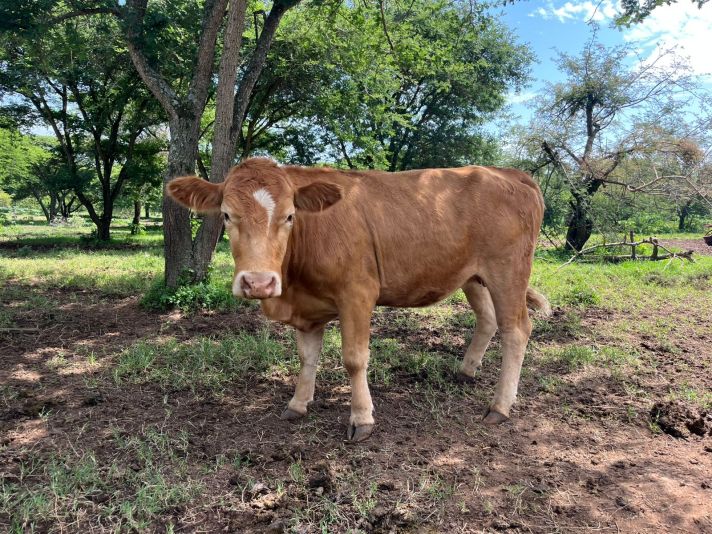
Our cows continue to flourish, the AI calves we introduced in this earlier post have now grown up, with some very promising results.
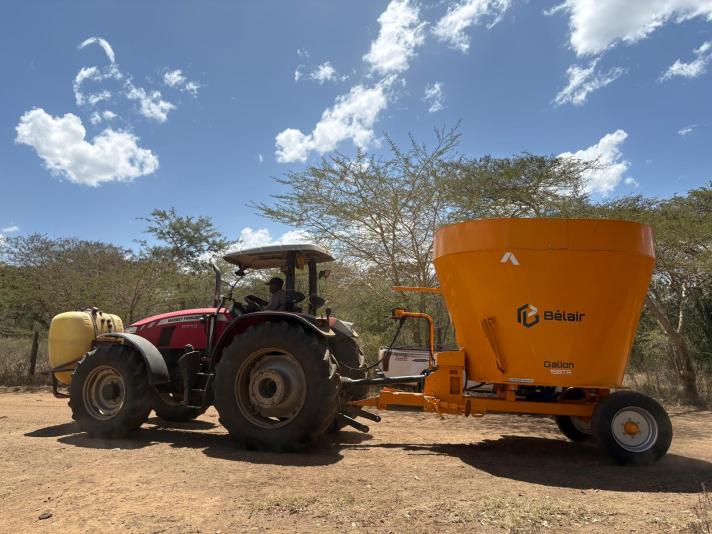
We also started using a new Galion Bel Air wagon feeder to guarantee the quality and quantity of the feed that the cattle receive at the end of the day after grazing. This comes as a part of a renewed effort to enhance our cattle records to optimise wellbeing and efficiency.
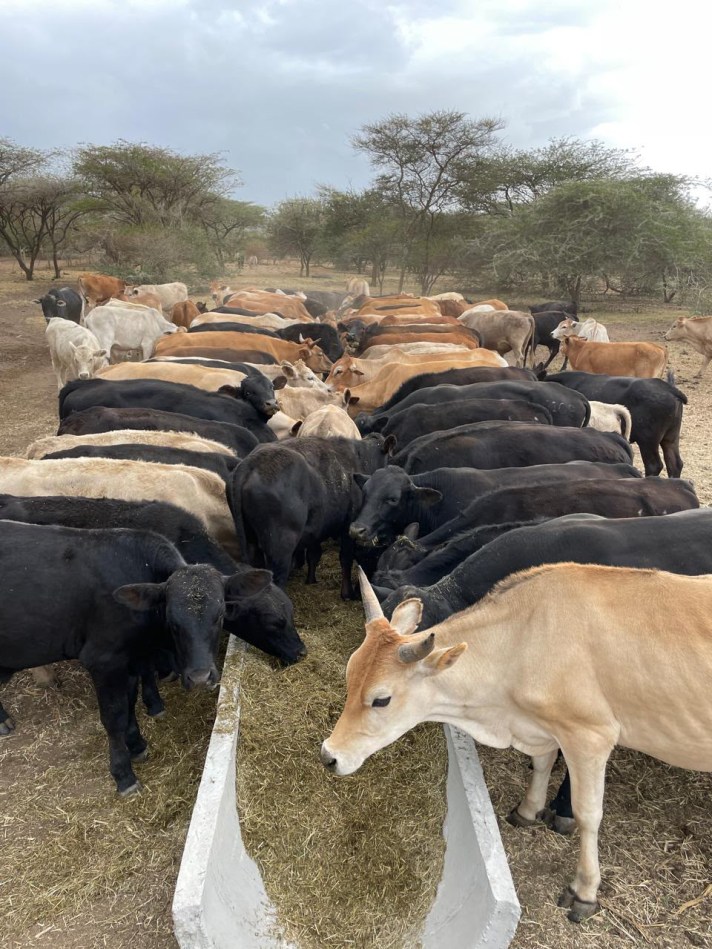
To further improve the efficiency of feeding, we have transitioned away from raised wooden silage troughs to concrete ground based troughs, which waste a lot less feed.
Life on the Farm
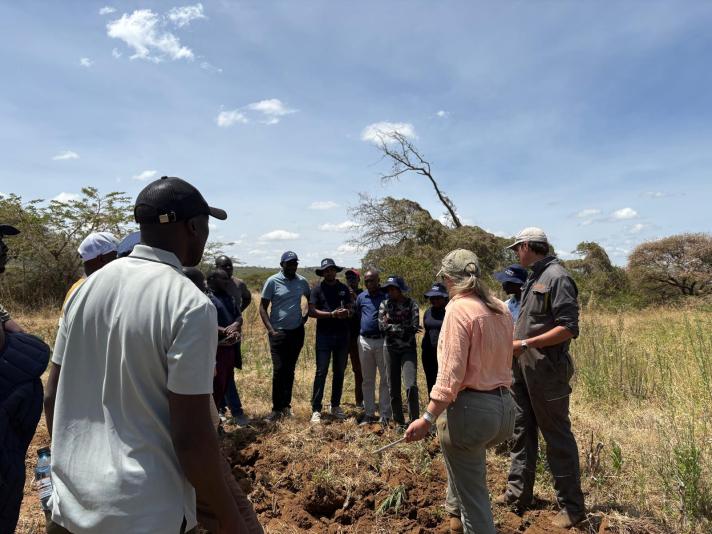
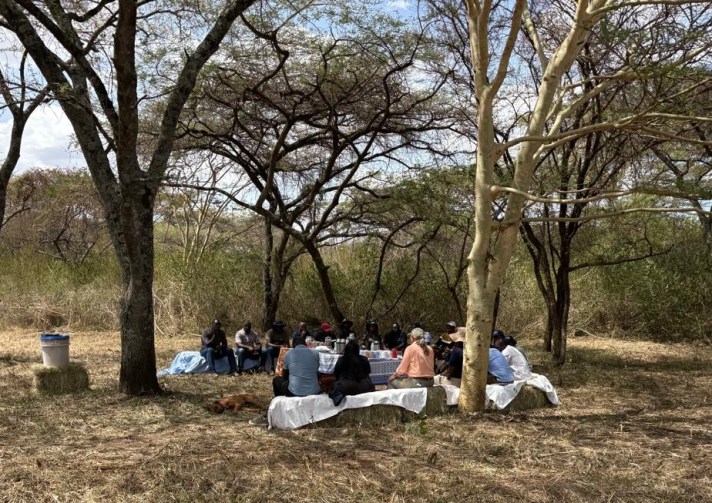
This quarter we hosted FIPS – Farm Input Services, for a field visit to share how we do our minimum tillage agriculture. FIPS are bringing minimum tillage tine agriculture techniques to small holder farmers, and it was a pleasure to share our longstanding experience with their team.
We’re excited for everything 2026 holds in store, do follow along to see more developments through the year!