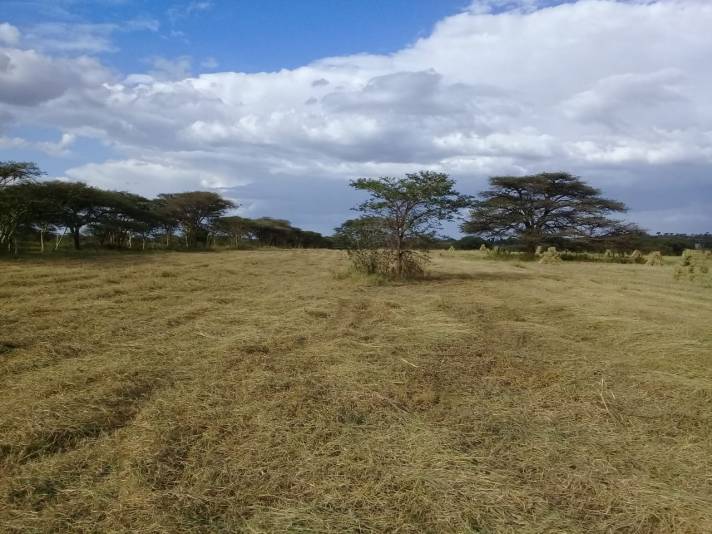
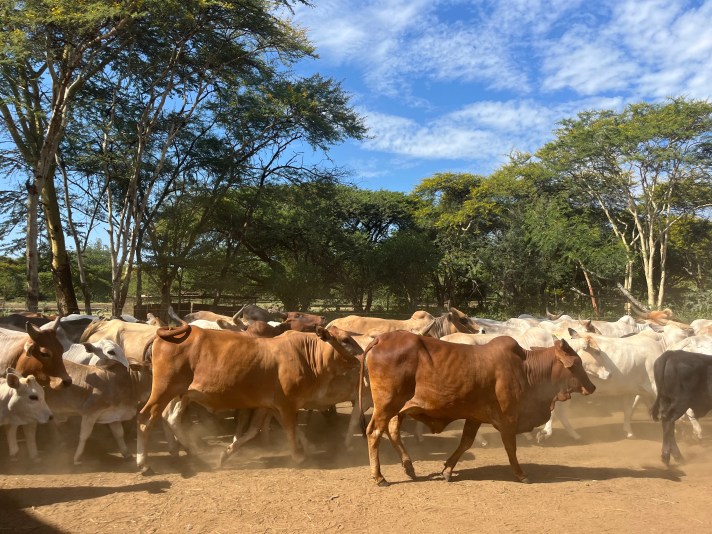
First Quarter 2026 Update

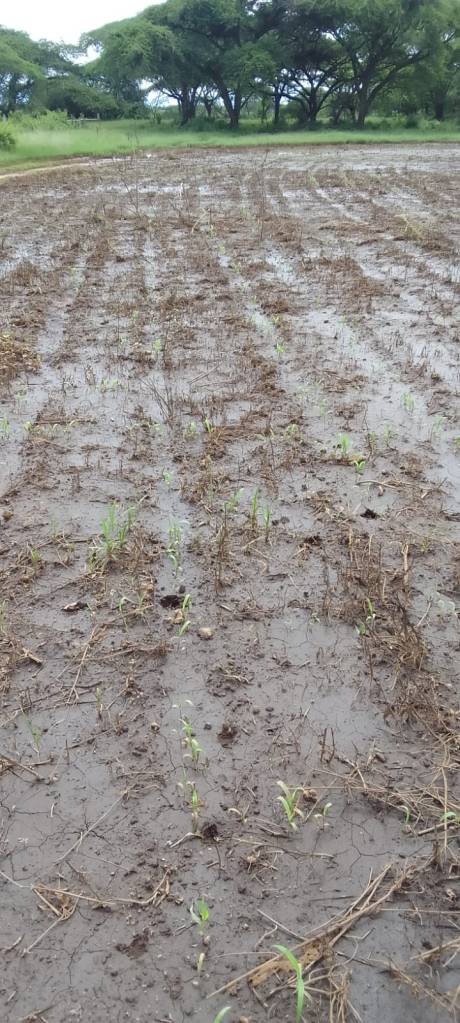
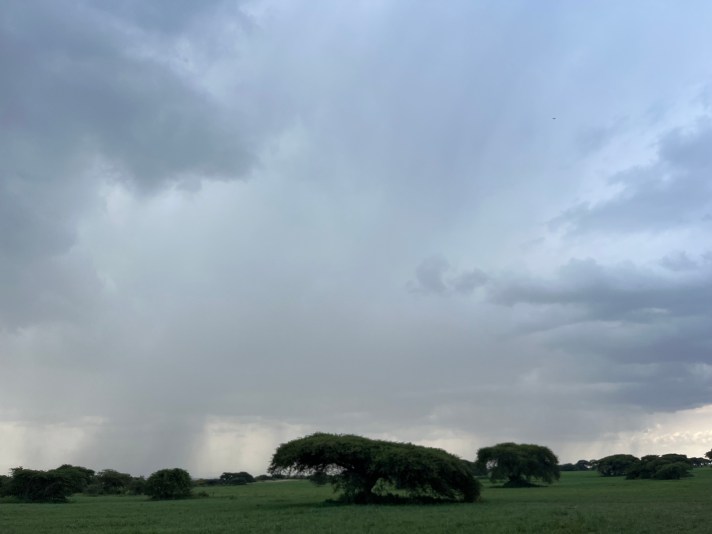
What a start to the year! We’ve hit the ground running on a new year and a new growing season. This year, the rains came early, with more rain in March (267mm) than we’ve ever recorded! This meant that we had to fly into action with field preparation, securing inputs and getting seeds into the ground.
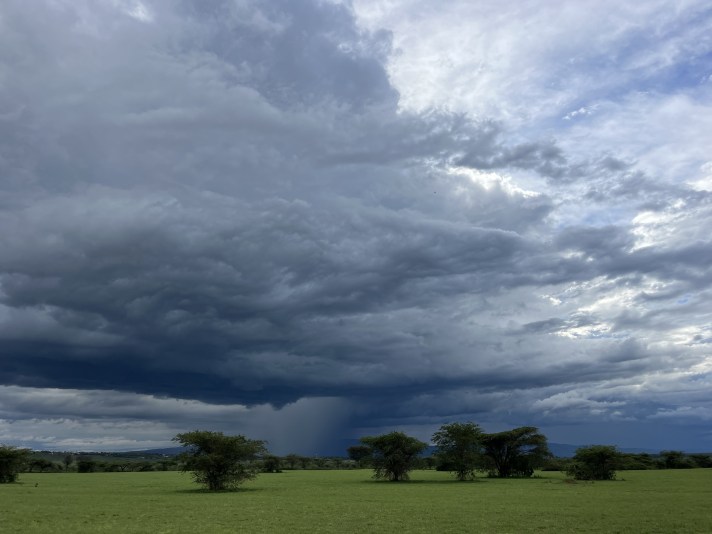
Early onset rainy season

Crops

This year’s planting season was a little hectic as we were caught short by the rain, we usually don’t plan on planting until April, once the rainy season has really kicked in – once we’ve had at least 50mm. This year however, what are usually the early-March grass rains turned out to be the onset of a very good rainy season.
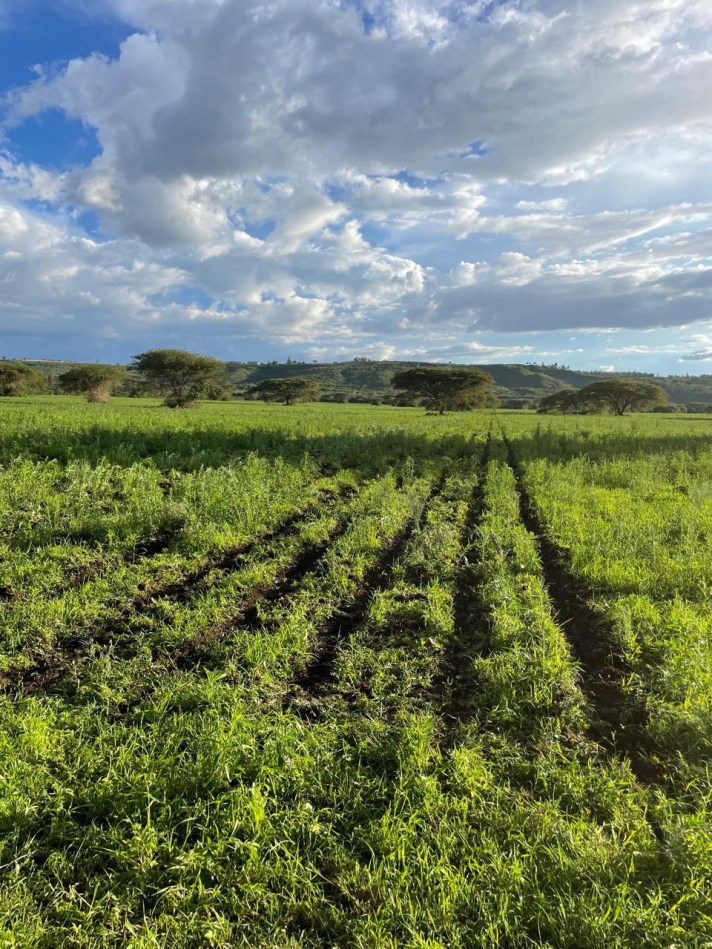
Planting into a multi-rooted cover crop

In addition to the unusual rain, we’ve faced extremely unpredictable and high input costs – with the immediate threat of diesel shortages (luckily averted!) and the grim longterm projections for fertiliser and chemical costs.
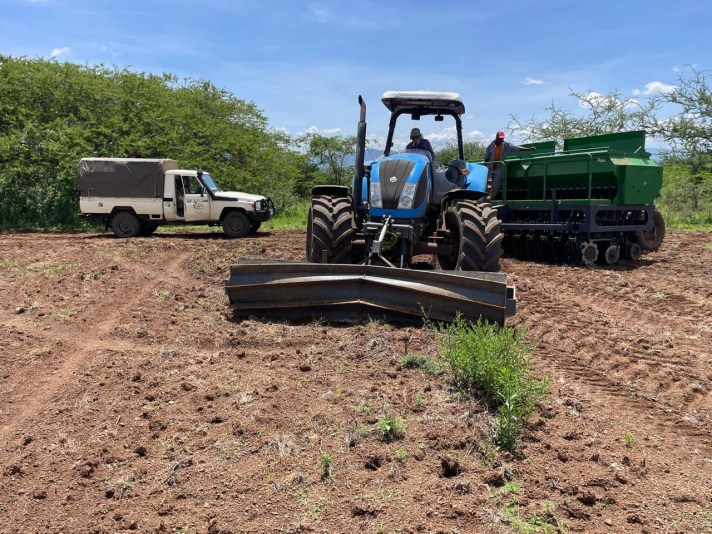
Our Landini tractor with our Piket planter on the back and crimp roller on the front

We managed to get our crops – Beans (Chelelang, Kat B1), Sorghum (E6518 – forage sorghum), Maize (WE 5135) and Grass (Boma Rhodes grass) – into the fields, all with the help of our new Field Bee satellite system. This uses a ground station or internet connection to guide tractors in order to align and track field preparation, planting, spraying and fertilising. This took some trial and error, but the Field Bee system is very intuitive and straightforward.
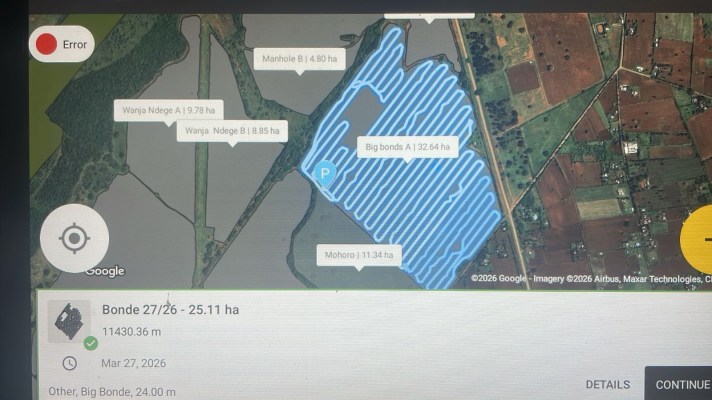
A screenshot from our Field Bee system

Livestock

We had an unmitigated disaster with our sheep this quarter. We recently introduced a new ram, which was unfortunately infected with Chlamydia. This led to the most horrendous die off of sheep, we lost over 90% of our lambs, and it took a while to diagnose the issue. However, all of the ewes have now been treated, and we are planning on introducing new rams soon in Q3 of this year.
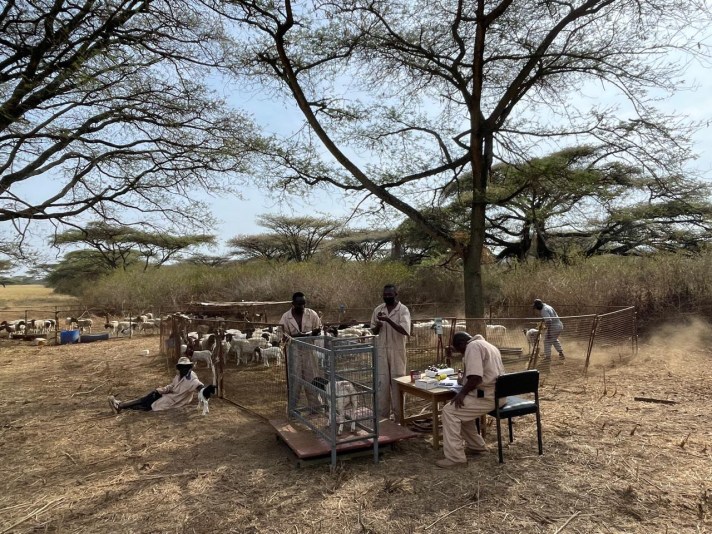
Treating the sheep for Chlamydia

Our cows continue to flourish, the AI calves we introduced in this earlier post have now grown up, with some very promising results.
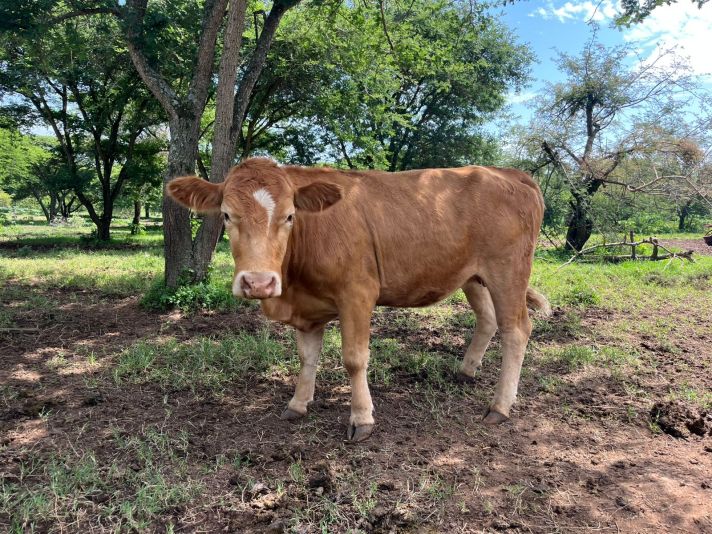
A young Simmental heifer from AI

We also started using a new Galion Bel Air wagon feeder to guarantee the quality and quantity of the feed that the cattle receive at the end of the day after grazing. This comes as a part of a renewed effort to enhance our cattle records to optimise wellbeing and efficiency.
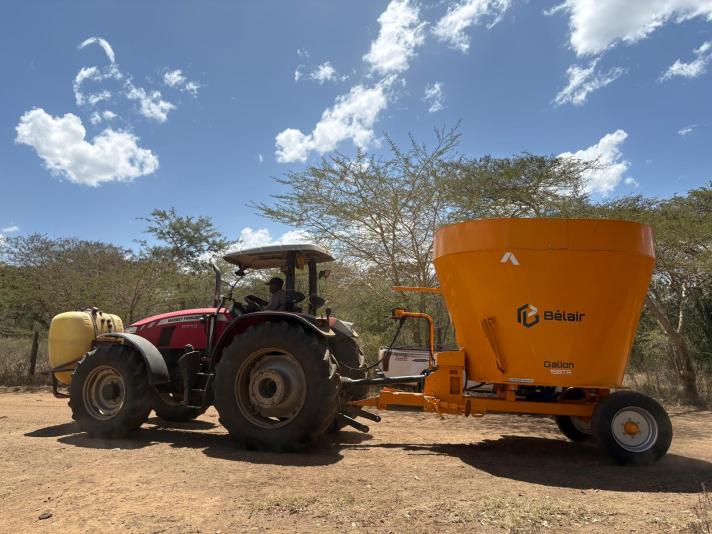
The new Galion Bel Air feed mixer

To further improve the efficiency of feeding, we have transitioned away from raised wooden silage troughs to concrete ground based troughs, which waste a lot less feed.
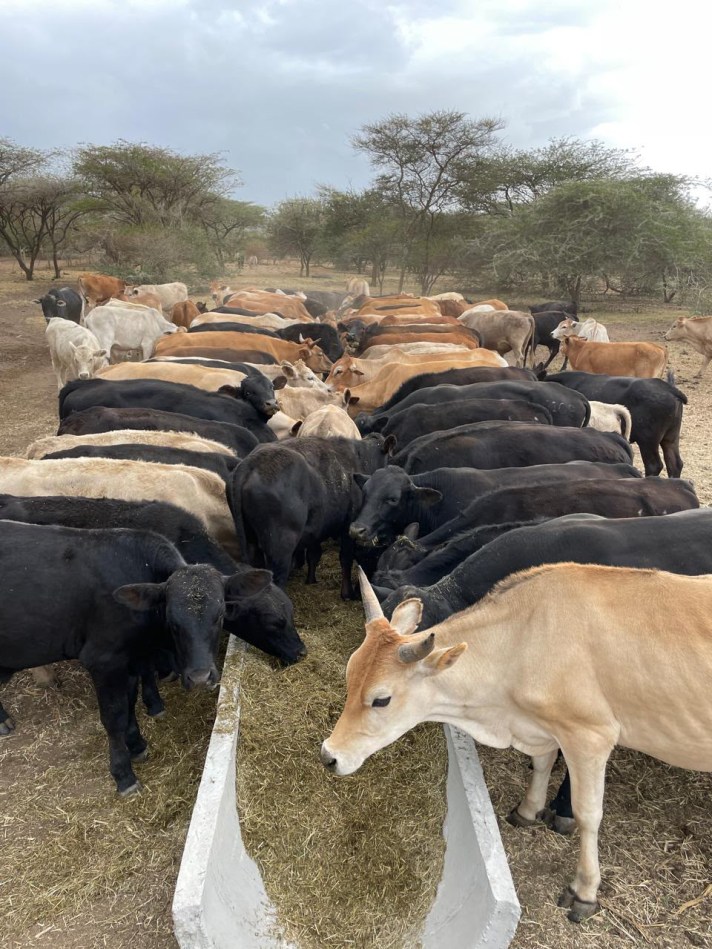
New concrete feed troughs

Life on the Farm

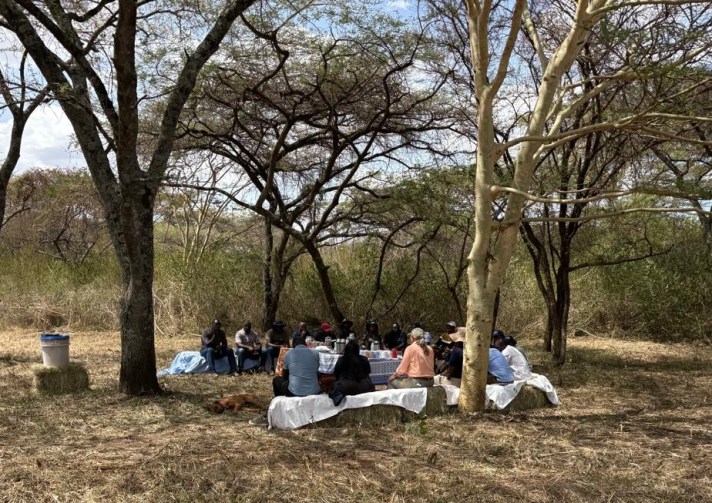
This quarter we hosted FIPS – Farm Input Services, for a field visit to share how we do our minimum tillage agriculture. FIPS are bringing minimum tillage tine agriculture techniques to small holder farmers, and it was a pleasure to share our longstanding experience with their team.
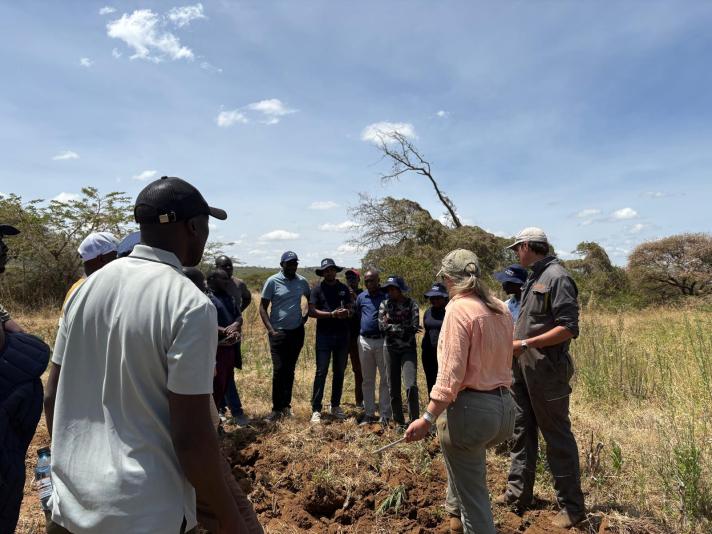
Demonstrating our tillage techniques with the FIPS team
Meeting with FIPS

We’re excited for everything 2026 holds in store, do follow along to see more developments through the year!
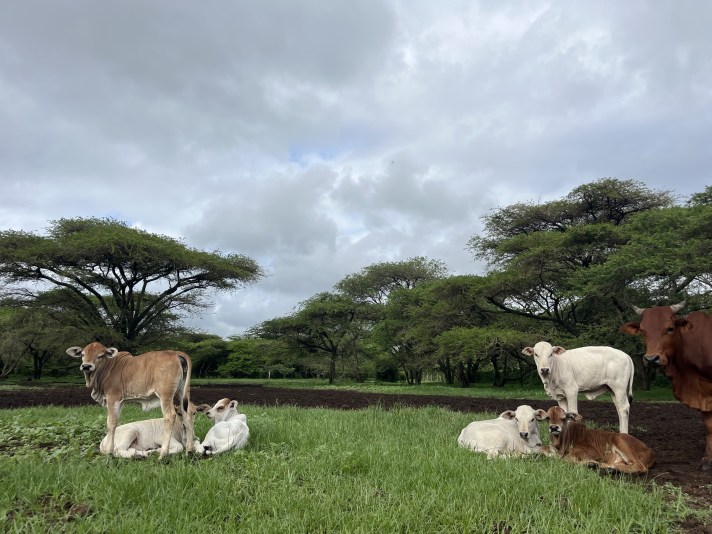
Young Boran calves

Second Quarter Update 2024

The rains have come and we’ve been busy this quarter! 

The whole country faced severe flooding in April and May, we were not immune as several catchments on the farm are fed by drainage from surrounding roads. Our main dam was full for the first time, but did not overflow. 

Our dam, full of water but fortunately not over flowing

We were also really pleased to see no runoff from any of our own fields, unlike over grazed areas on neighbouring farms, proving our concept for crop rotation resulting in healthier soils able to maximise water retention. 

Our field are sodden, but there wasn’t any run off or erosion due to the soil management regime, where lots of last year’s biomass is left on the field.

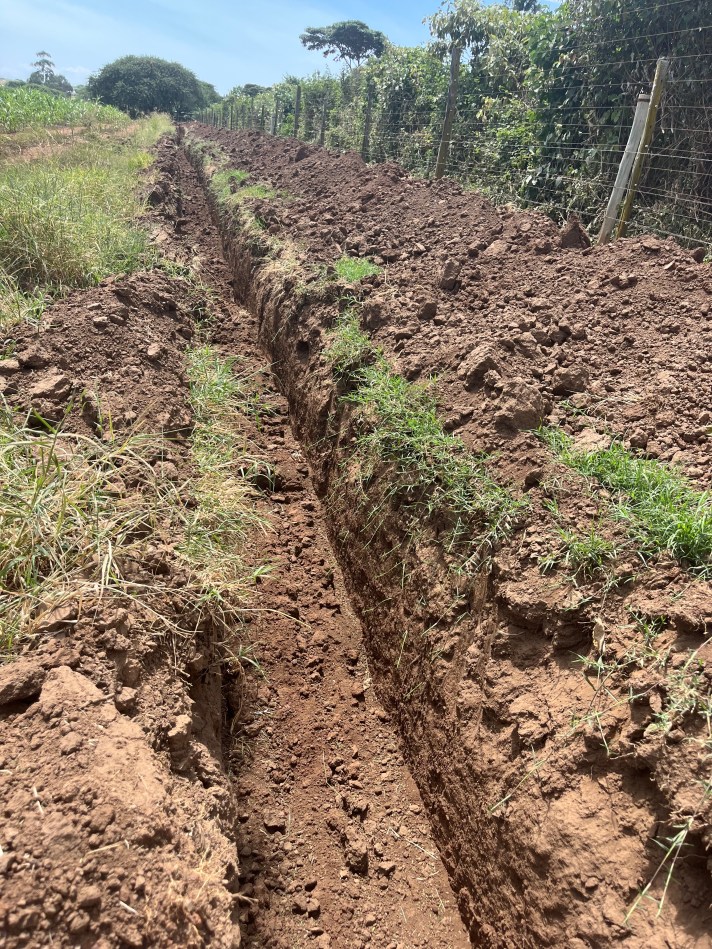
At the same time, we have been laying pipes for distributing water to cattle troughs and other points around the farm, this will reduce the cost in distributing water. 

A new pipeline to distribute borehole water across the farm.

Crops

April always means planting, planting, planting! And we’ve been busy! This season as part of our usual rotation and in anticipation of good rains, we have planted seed maize, beans, sorghum and grass. We were flat out managing field preparation, planting and subsequent scouting and pest management. 

A crop of fresh Boma Rhodes grass.

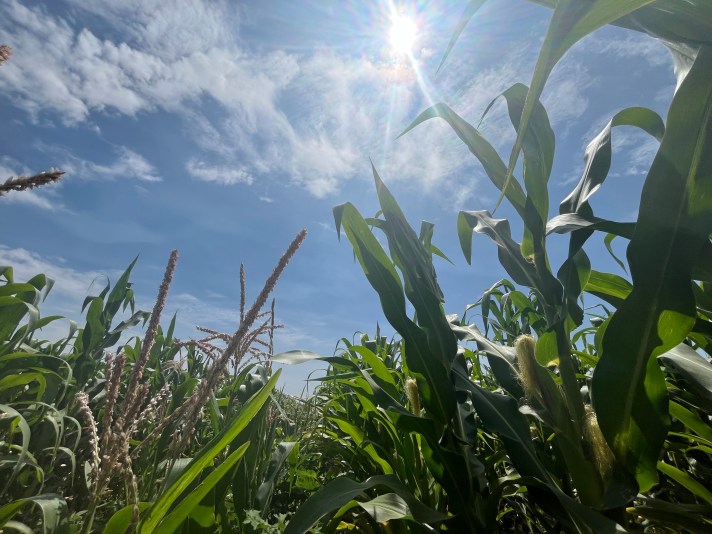
The crops are all doing well, with the maize seed crop ready for detasseling in June. We continue to monitor wildlife threats, especially reed buck and guinea fowl which love to eat shoots, and wild pigs which will eat freshly planted seeds and small cobs. 

Our maize seed crop, post detasseling with males on the left and females on the right.

The beans harvested in Q1 have met our consistently high quality, with KEPHIS returning 99% and 98% for Kat B1 and KK8 germination tests respectively.

Livestock

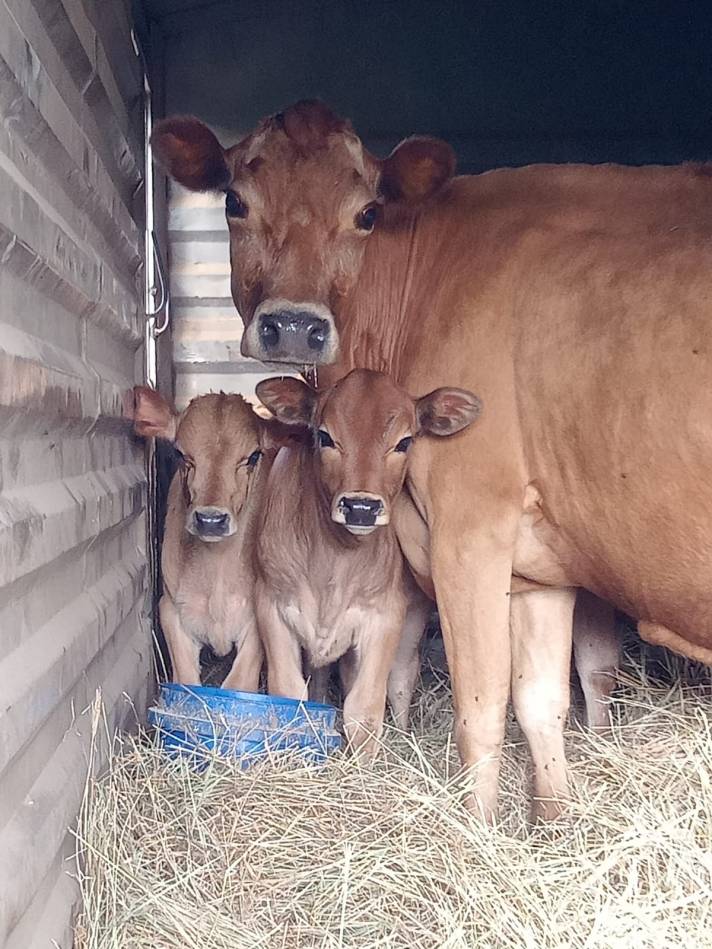
We’ve had an exciting development this quarter, bringing in a new herd of dairy cattle from the Hairy Dairy. These beautiful Jersey cattle will join our existing dairy cows as we develop this aspect of our livestock program. 

Hairy Dairy cows, on their way to the farm!

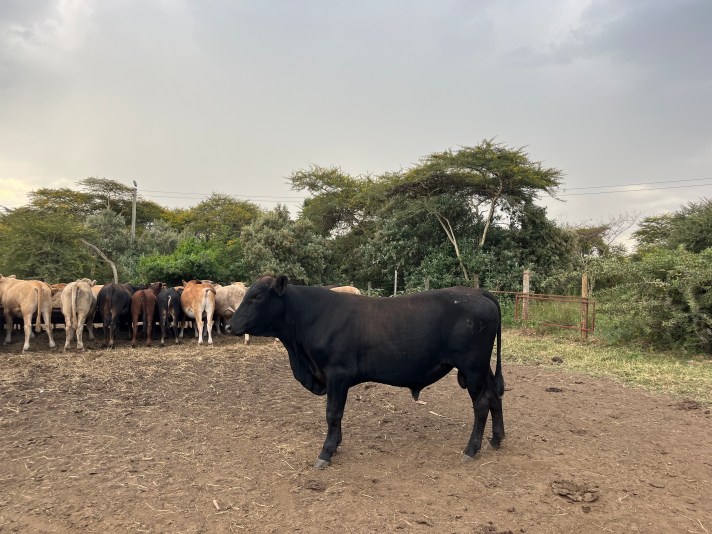
In another first for us, we’re going to start breeding from one of our own AI bred bulls, this young Charolais cross should fill out and provide great genetics for our beef herd.

Our first AI-bred bull being used in our general beed breeding herd.

Additionally, we’ve been managing Foot and Mouth alerts in the area, with a vaccination program for all cows.

Life on the Farm

Loloto left us again, giving us time to fix fences and collect trees he has knocked over, we hope he’ll be safe until he returns. 

In 2023, we shared information on our efforts to clear Lantana, an invasive shrub that smothers pasture, we recently commissioned a wood chipper, which will enable us to further deal with this threat while producing mulch returning biomass to the soil.

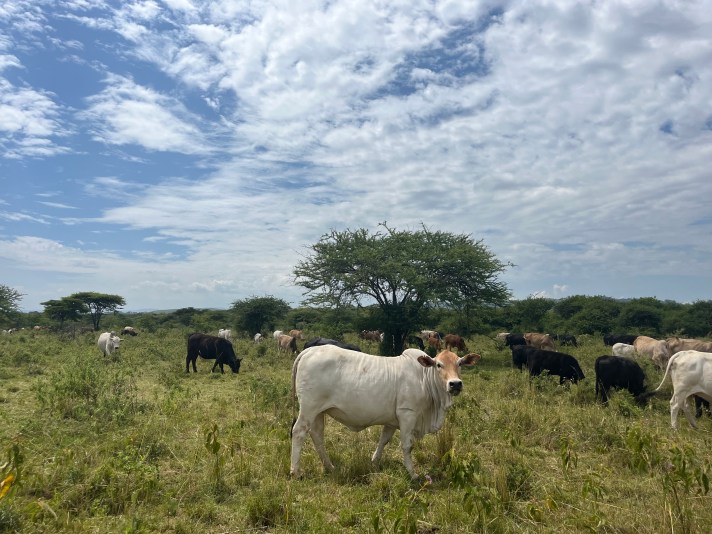
Cows happily grazing in pasture that is growing in a field cleared of Lantana

Lamu

While we were planting on the farm, we were also planting at the coast! This year we planted 500 mangroves along the beach at Mnazi Mmoja, in line with broader efforts in Lamu county to conserve mangrove cover to reduce beach erosion and create more habitat for marine life. 

Mangroves planted in front of Mnazi Mmoja.

We’ve also been planting fruit trees for several years now, and these are starting to bear (delicious!) fruit! 

Delicious mangoes from our first crop this year.

First Quarter 2024 Update

This year we’ve been off to a busy start, following the droughts in 2022 and 2023, we’ve been relieved to have had only a modest dry season, with a total of 150mm of rain in the first three months of the year. 

Patchy rain kept us reasonable green through the dry season.

We’ve now transitioned to using our borehole water for livestock and general operations, however as it’s not fit for human consumption we’re still using rainwater for all our drinking needs. In 2024 we aim to pipe the borehole water to all the main usage points, especially cattle troughs. 

Crops

We’ve had an exciting time with our beans this quarter, harvesting, dressing and packing seeds crops, with more in the field. We’re especially proud that our seeds produced outstanding germination results from KEPHIS: KK8 99%, KAT B1 97%, Chelelang 98%.

Our amazing Leldet beans!

These first class seeds are being introduced to new markets, through a field day in March in Timau where we reached farmers from as far afield as Meru and Maralal. We’ve introduced new packaging, including a new 1kg packet, to meet the demand of cash strapped farmers as we all adapt to the challenging economic conditions. Our sales throughout Mulot and Bomet remain strong. 

Leldet at the Timau Field Day, introducing our quality seeds to new farmers.

We’ve also been harvesting grass seed from our Boma Rhodes grass crops, and making hay. However, the light dry season has suppressed the hay market, which is a challenge for cash flow going into the pre-planting field preparation season. 

Boma Rhodes grass, cut for baling.

Field preparation has been going on in the lead up to Easter, and the expected long rains. We have bean and sorghum crops to harvest, and then we’ll be aerating fields that are going to be planted coming out of the grass phase in our rotation.

Livestock

Our cows and sheep have come through the dry season well, we’ve been topping up their grazing with silage in their bomas in the evening. The AI program has been ongoing, and we’ve welcomed our first AI Jersey calf. 

Our first Jersey AI Calf

Other work has included livestock chipping, in order to improve our records for better breeding and tracking for more productive and healthy herds. We’ve been keeping up with our consistent provision of beef cattle to choice meats, and our cows continue to rank at the highest quality. 

Our cows making it through the dry season in great condition!

We have faced some disease challenges this quarter, in large part due to the influx of cattle from a wide area onto a neighbouring farm, resulting in increased disease and pest – especially tic – load, and unfortunately some casualties. We’re continuing to build capacity within the team to recognize, diagnose and treat issues as soon as possible to maximise the welfare of the livestock.   

Life on the Farm

Loloto the elephant is back from his Christmas holidays, as ever, we’re pleased to have him back, but a little less thrilled to be dealing with the constant fence, tree and crop damage. We’ve had challenges this quarter keeping the farm safe for the wildlife we share the space with, especially from poachers who continue to set snares catching birds, hares and small antelopes, and cut down trees for charcoal production. 

Hares caught by poachers using snares on the farm.

We’ve been planting more trees, trying to make use of the borehole water to establish some fruit trees and other indigenous varieties. 

New fruit trees planted on the farm!

Lastly, we’ve slowly been building our workshop, so that onsite maintenance can be optimised. So much of our time is spent fixing tractors, planters, sprayers and other equipment, we want to ensure this can be done as seamlessly as possible. 

All in all, we’re looking forward to a productive 2024, mindful of the increasingly challenging economic conditions we’re facing alongside our team, neighbours, suppliers and customers.