First Quarter 2026 Update

What a start to the year! We’ve hit the ground running on a new year and a new growing season. This year, the rains came early, with more rain in March (267mm) than we’ve ever recorded! This meant that we had to fly into action with field preparation, securing inputs and getting seeds into the ground.
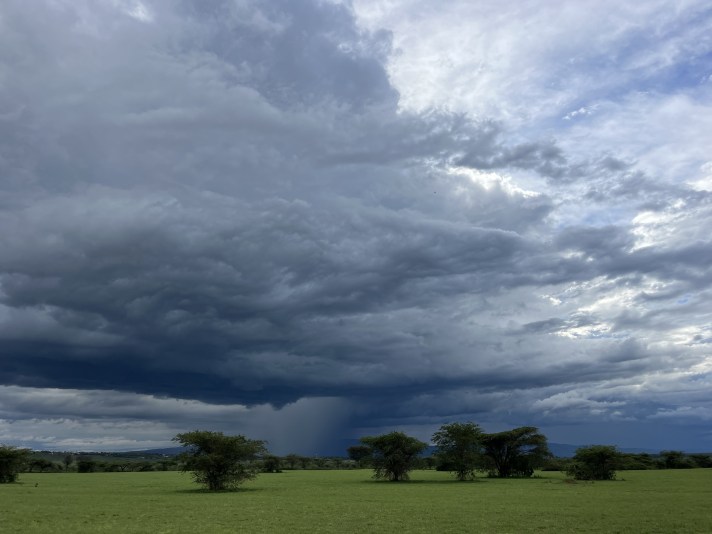
Early onset rainy season

Crops

This year’s planting season was a little hectic as we were caught short by the rain, we usually don’t plan on planting until April, once the rainy season has really kicked in – once we’ve had at least 50mm. This year however, what are usually the early-March grass rains turned out to be the onset of a very good rainy season.
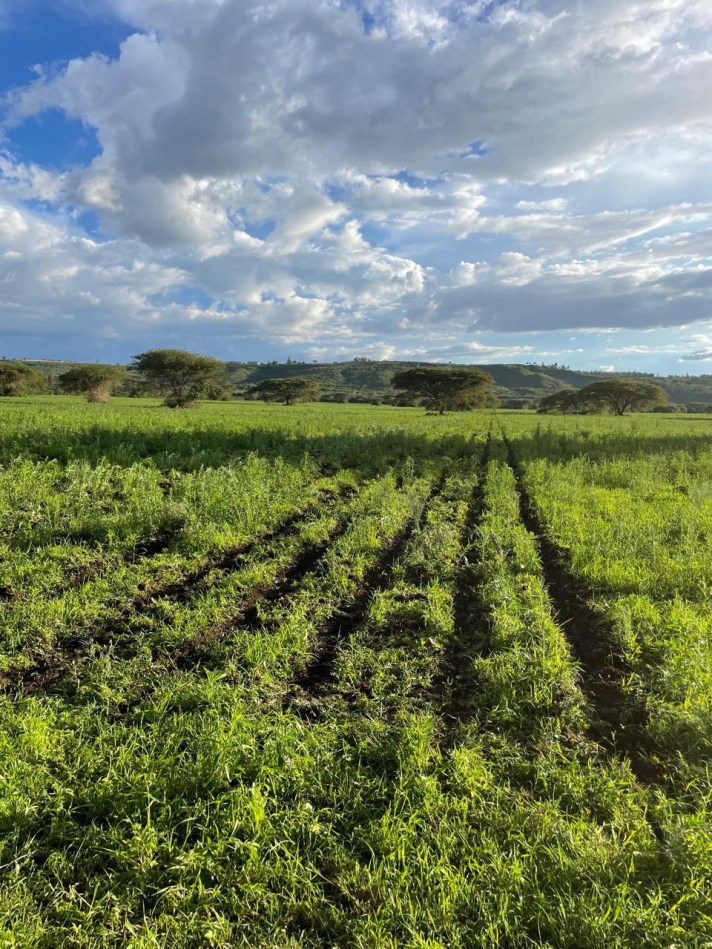
Planting into a multi-rooted cover crop

In addition to the unusual rain, we’ve faced extremely unpredictable and high input costs – with the immediate threat of diesel shortages (luckily averted!) and the grim longterm projections for fertiliser and chemical costs.
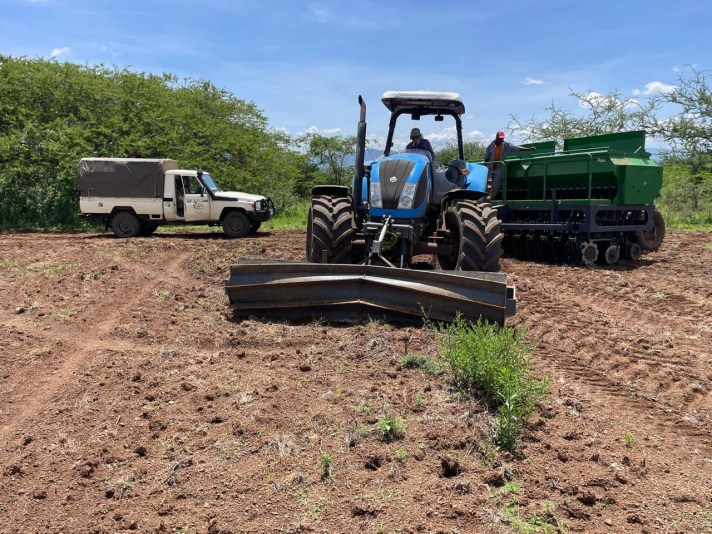
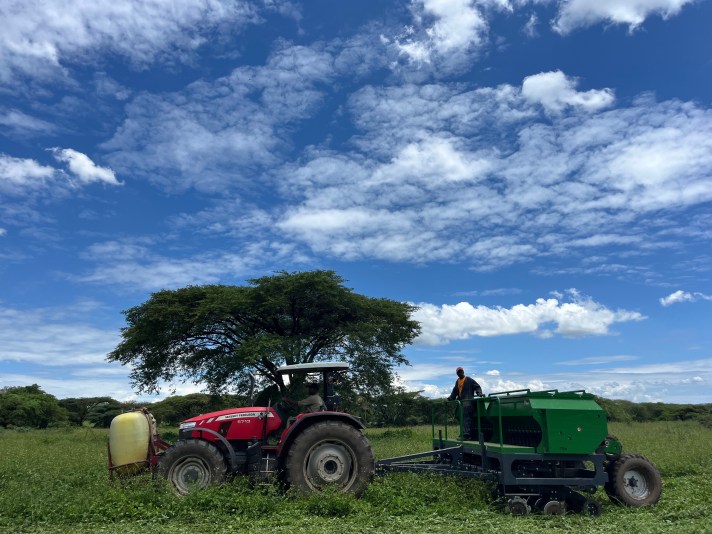
Our Landini tractor with our Piket planter on the back and crimp roller on the front

We managed to get our crops – Beans (Chelelang, Kat B1), Sorghum (E6518 – forage sorghum), Maize (WE 5135) and Grass (Boma Rhodes grass) – into the fields, all with the help of our new Field Bee satellite system. This uses a ground station or internet connection to guide tractors in order to align and track field preparation, planting, spraying and fertilising. This took some trial and error, but the Field Bee system is very intuitive and straightforward.
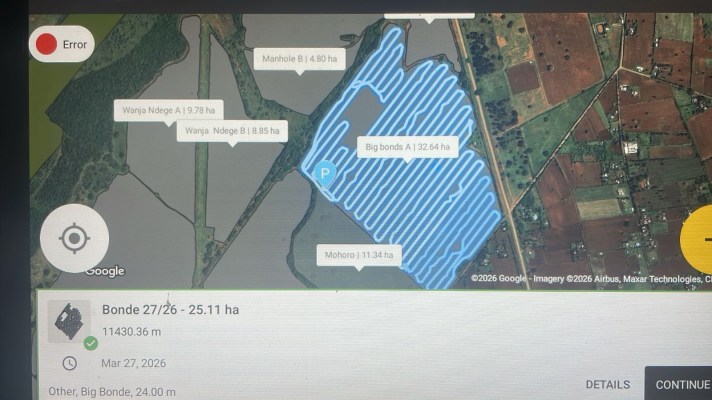
A screenshot from our Field Bee system

Livestock

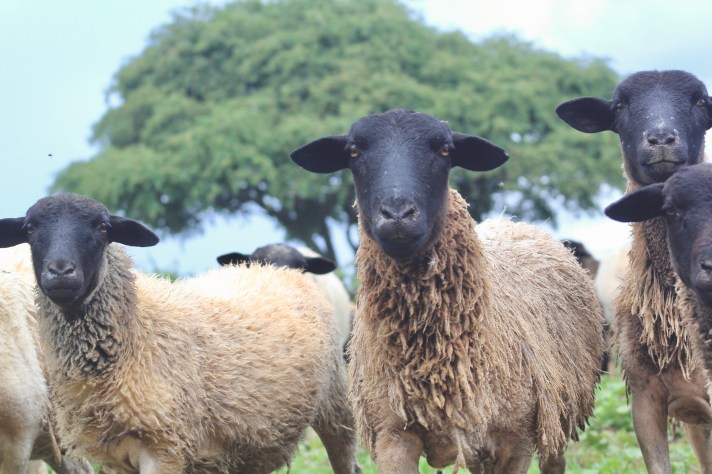
We had an unmitigated disaster with our sheep this quarter. We recently introduced a new ram, which was unfortunately infected with Chlamydia. This led to the most horrendous die off of sheep, we lost over 90% of our lambs, and it took a while to diagnose the issue. However, all of the ewes have now been treated, and we are planning on introducing new rams soon in Q3 of this year.
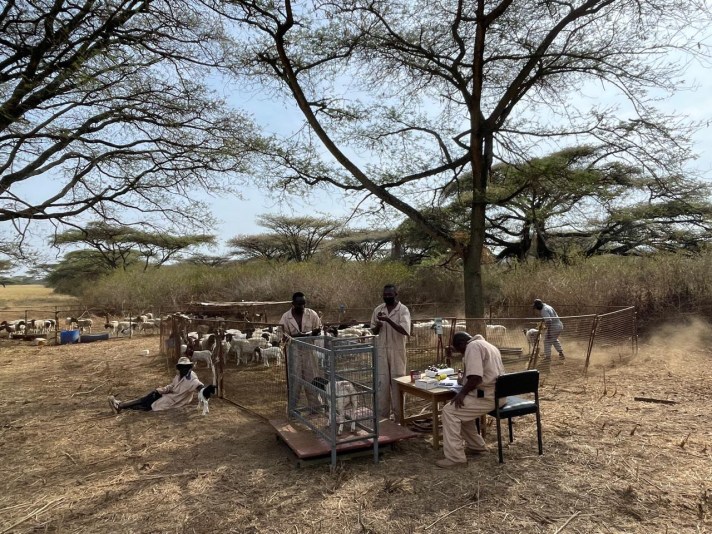
Treating the sheep for Chlamydia

Our cows continue to flourish, the AI calves we introduced in this earlier post have now grown up, with some very promising results.
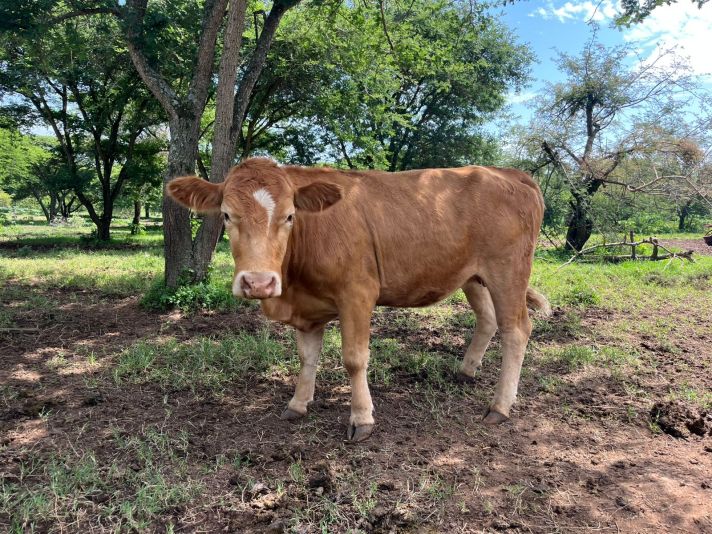
A young Simmental heifer from AI

We also started using a new Galion Bel Air wagon feeder to guarantee the quality and quantity of the feed that the cattle receive at the end of the day after grazing. This comes as a part of a renewed effort to enhance our cattle records to optimise wellbeing and efficiency.
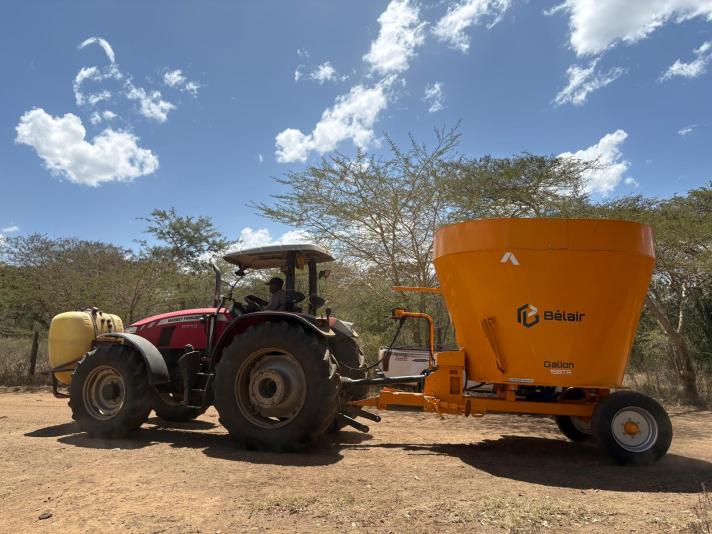
The new Galion Bel Air feed mixer

To further improve the efficiency of feeding, we have transitioned away from raised wooden silage troughs to concrete ground based troughs, which waste a lot less feed.
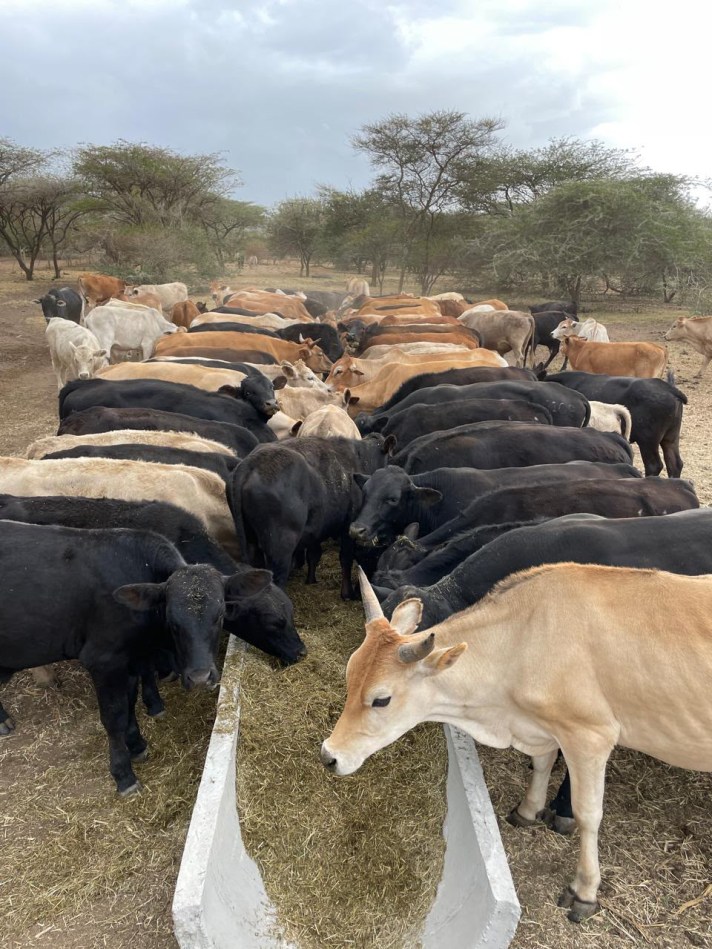
New concrete feed troughs

Life on the Farm

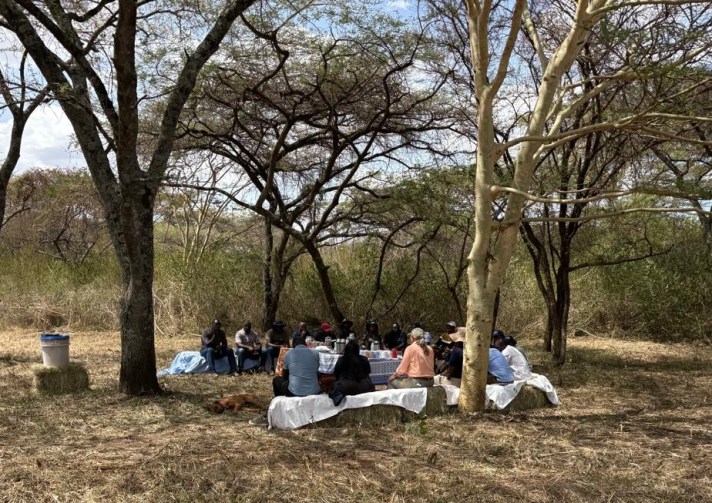
This quarter we hosted FIPS – Farm Input Services, for a field visit to share how we do our minimum tillage agriculture. FIPS are bringing minimum tillage tine agriculture techniques to small holder farmers, and it was a pleasure to share our longstanding experience with their team.
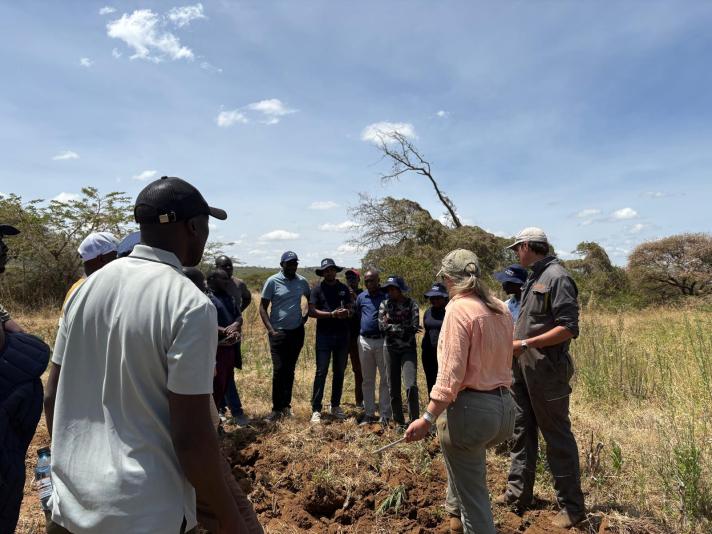
Demonstrating our tillage techniques with the FIPS team
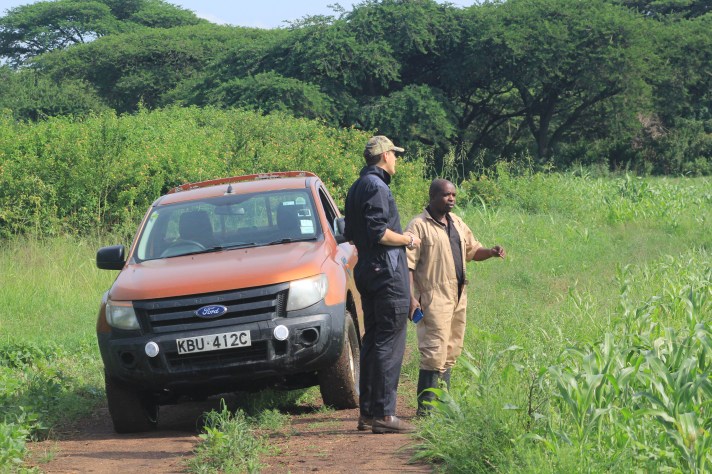
Meeting with FIPS

We’re excited for everything 2026 holds in store, do follow along to see more developments through the year!
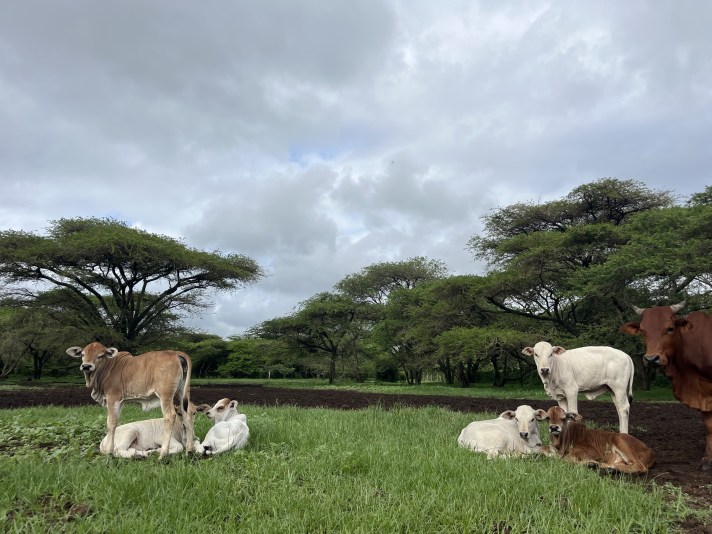
Young Boran calves

Planting Season – Second Quarter 2025 Update

What a busy few months it has been!! April, May, June are always a little hectic with the farm coming back to life following the long rains. This year we were fortunate to not have too harsh a dry season, and everything has been looking and feeling very alive!

Crops

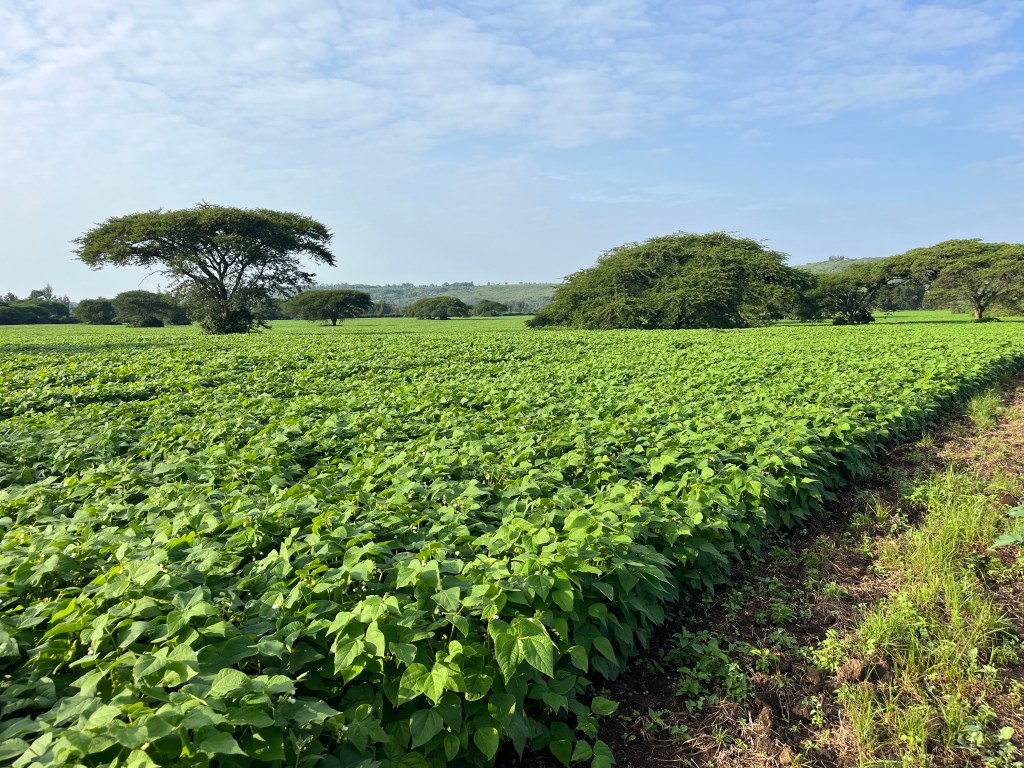
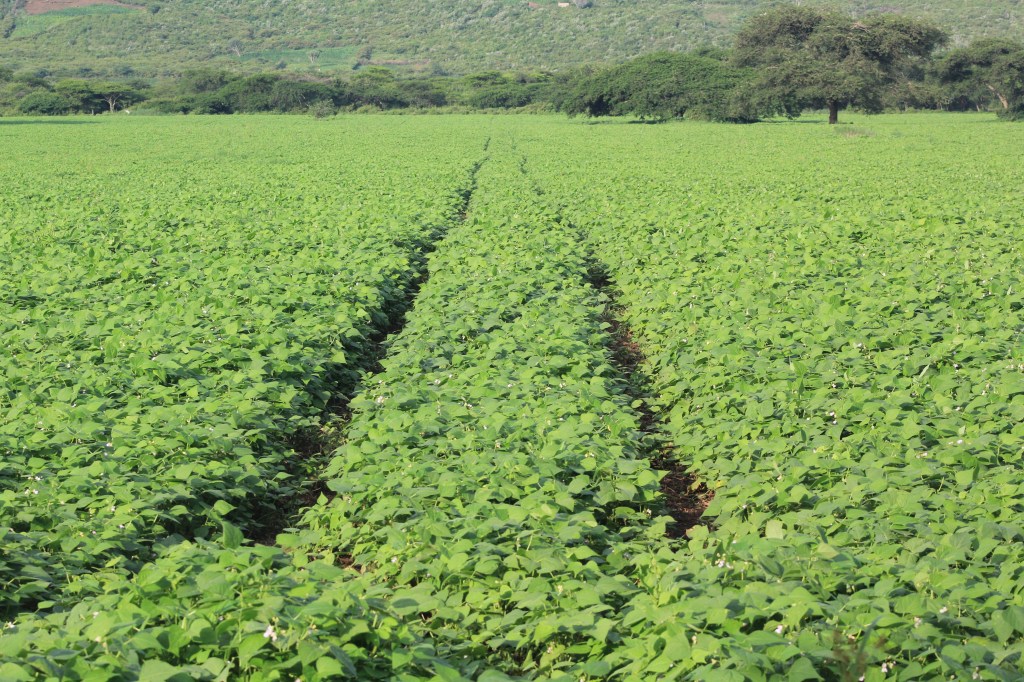
This year we have our largest ever acreage of bean seed, this is to cater to the continually growing demand for high quality Leldet KAT B1, and Chelelang seed. We went in with a higher plant density than usual, and the dividend of this was fantastic weed control with minimal chemical or mechanical interventions. The higher density was achieved by our new Piket planter.

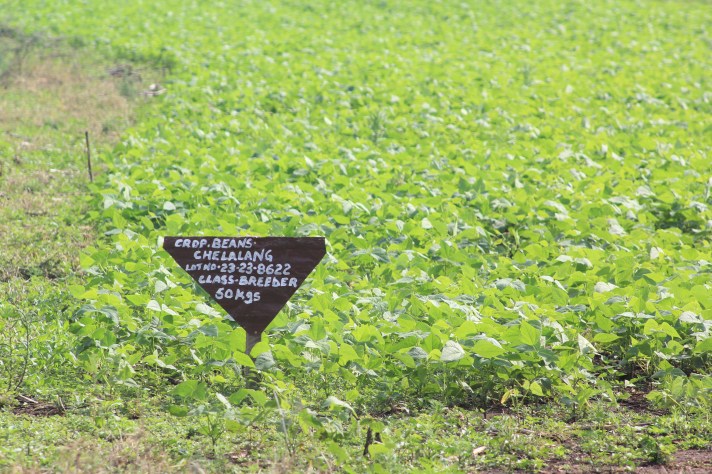
We also planted some more beans for breeding material, which will enable us to sustain supply in years to come.

Chelelang breeder seed growing for crops in future years

We have two maize crops, one for seed – WE5135, and were pleased to have passed all KEPHIS inspections and the other as a commercial trial. For the uninitiated, maize seed is a particularly cumbersome crop because breeding “male” with “female” requires removing tassels from all of the female plants, so that their silks only receive pollen from male plants. Luckily we have decades of practice on our side! 

We were particularly grateful for technical support from ICS Africa, who made sure our new 6 row Monosem planter hit the ground running! This planter gave us great seed placement which resulted in an excellent crop stand.

Maize planted into last year’s stubble, retraining soil integrity and moisture

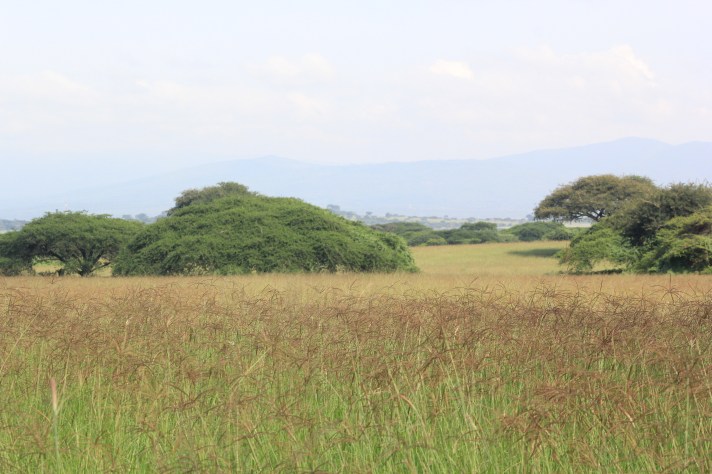
We’re also growing Boma Rhodes grass and E6518 sorghum for seed, hay and silage. The hay is crucial for cash flow and the silage enables us to comfortably keep the cows flourishing come the next dry season.

Grass for seed, hay and silage

Lastly (it has indeed been busy!!) we have several different legume crops aside from beans this year, most notably, Cow peas (Kunde) and Pigeon Peas (Mbaazi). The last of these we were able to plant with the Piket minimum tillage planter, which allows us to reduce even further the disturbance of our soils, promoting soil health and biodiversity.

Cowpeas, not something we plant every year, but fantastic for our crop rotation
Planting Pigeon Pea with the new Piket planter

Ooops that’s not all! We have a whole load of small trials – potatoes, maize, sorghum, beans, cow peas, soya and pigeon peas…but keep an eye out for a separate, upcoming post with more info on those!

David and Harry inspecting crops

Livestock

Do the cows and sheep take a back seat while we’re busy with getting arable crops in? No!! They continue to thrive, this quarter we sent another delivery to Choice Meats, and received our usual standard of the highest possible quality. 

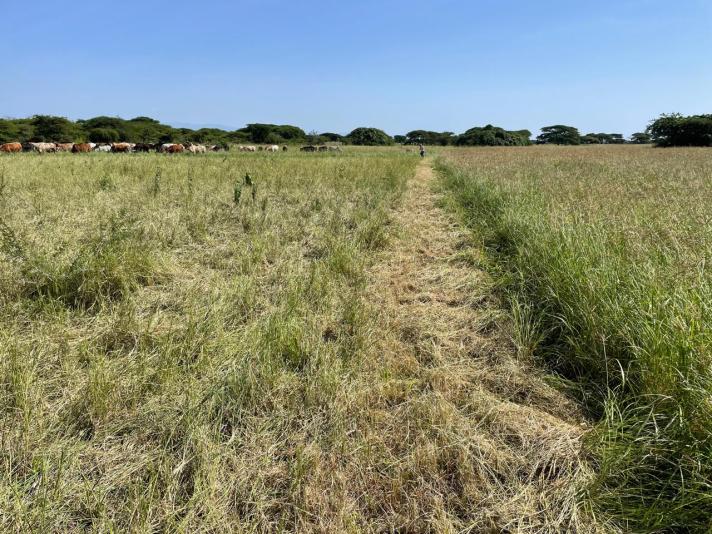
We’ve been more proactive than ever in implementing a controlled grazing regime, which balances the best nutrition for cattle while limiting the destruction of the grass to ensure it can recover as quickly as possible.

Controlled grazing, the grass on the right is protected as the cows graze on the left

This was complemented by our additional investment in a new salt mix, which is tailored to the mineral needs of our cattle.

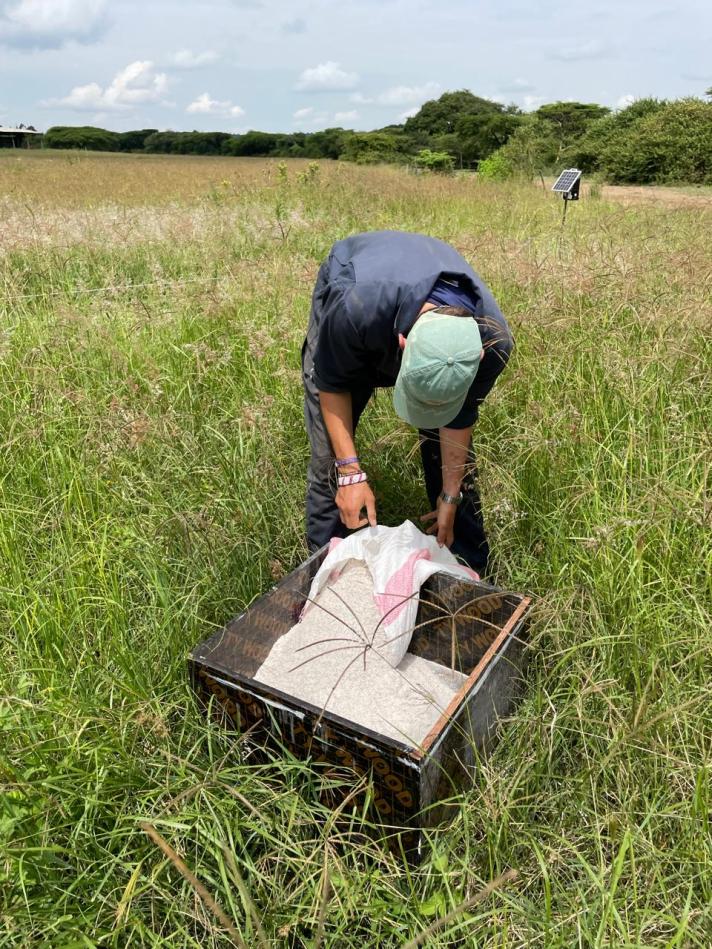
Distributing tailored made salt mix

Life on the farm

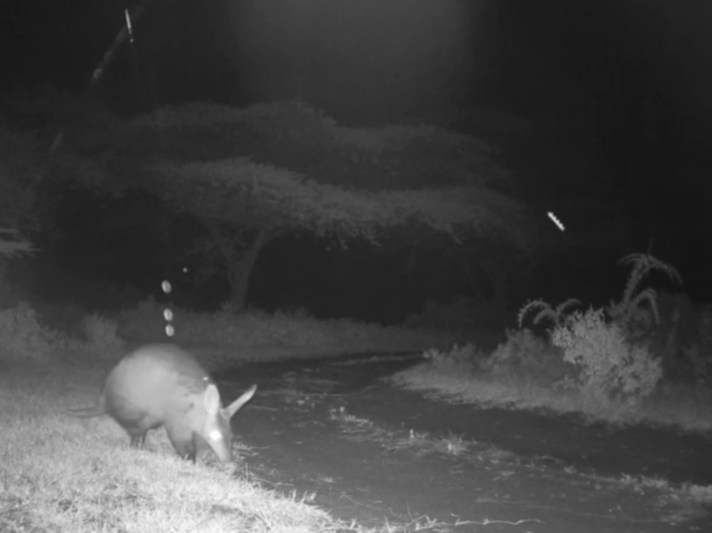
Alongside all this activity, all the wild things that make the farm so special are flourishing too!! While we rarely see the creatures we share the farm with, like this Aardvark, it’s lovely to know they are all there!

As ever, we’re grateful for rains!