This year has had a host of challenges, we’ve been very grateful for the breaking of the drought and the reasonable amount of rain we’ve received this year, however this has coincided with challenging economic conditions and a massively growing tax burden.
As we navigate these challenges, we’re grateful for the continued enthusiasm and effort from the team, and support from our customers and suppliers.
Crops
Our seed sales have been strong this year, driven by good rains increasing farmer demand, regrettably coinciding with a shortage of farm saved seed due to the 2022 drought.
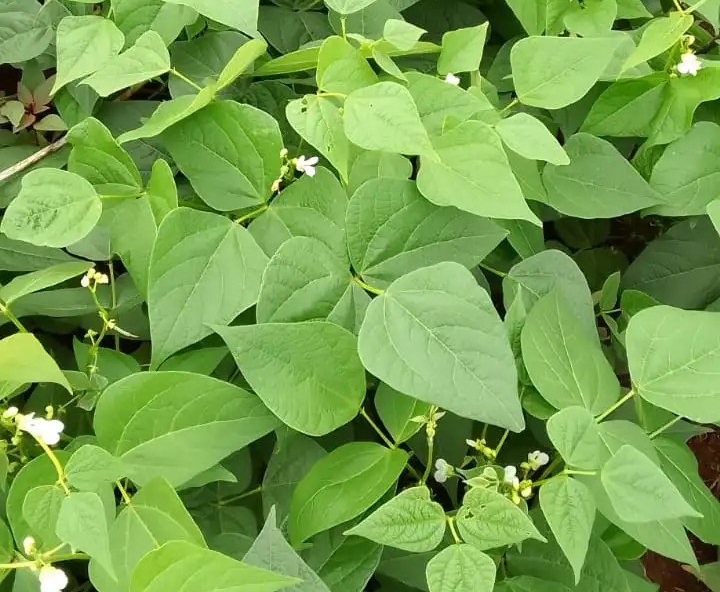
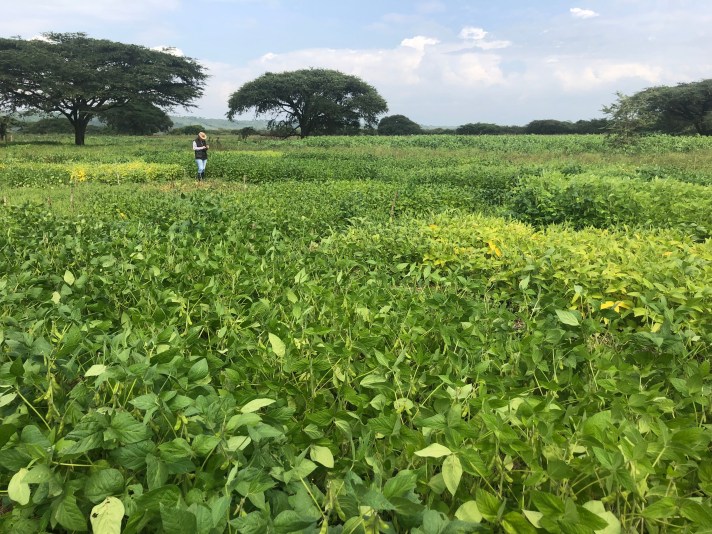
We’ve had good bean, grass and sorghum crops, all passing KEPHIS inspections and providing reasonable yields.
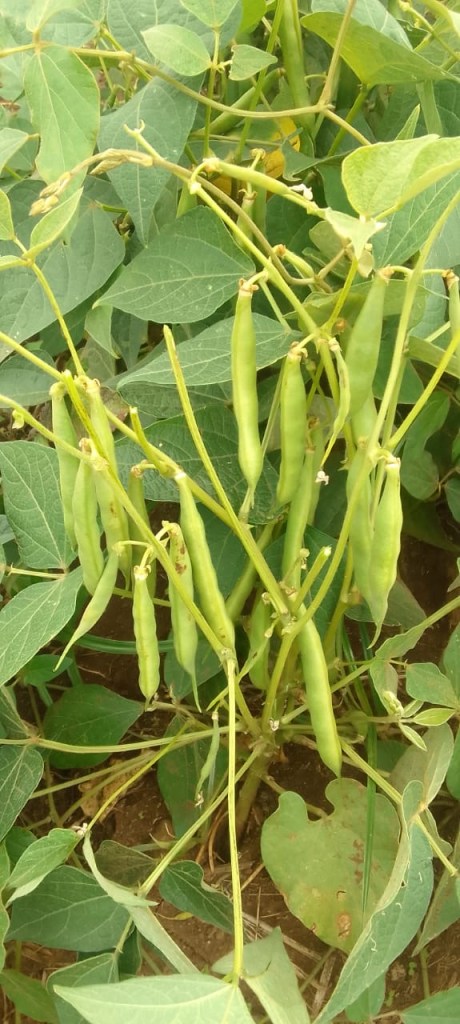
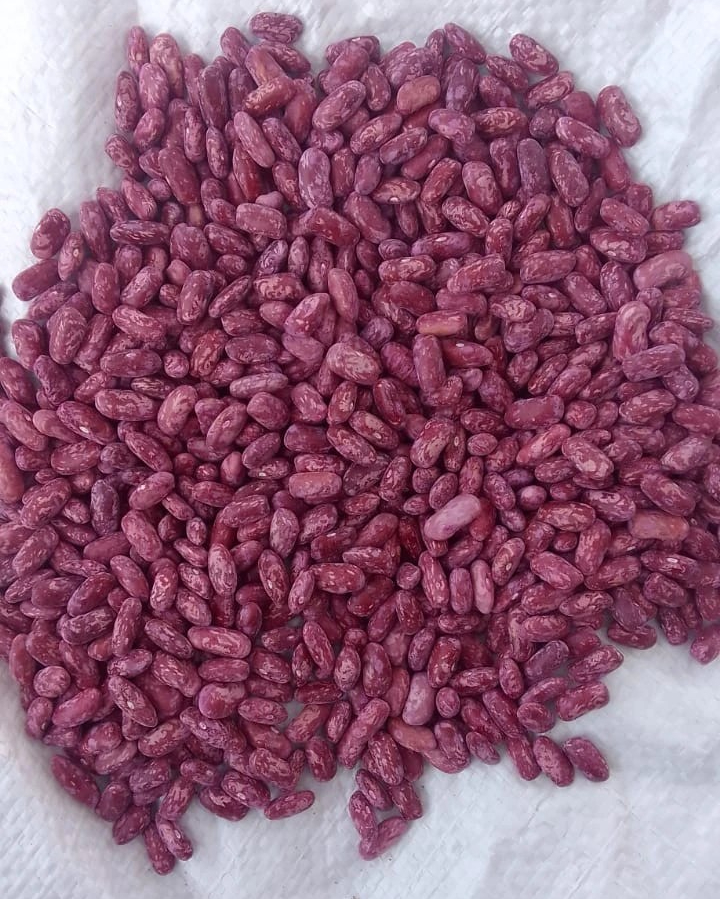
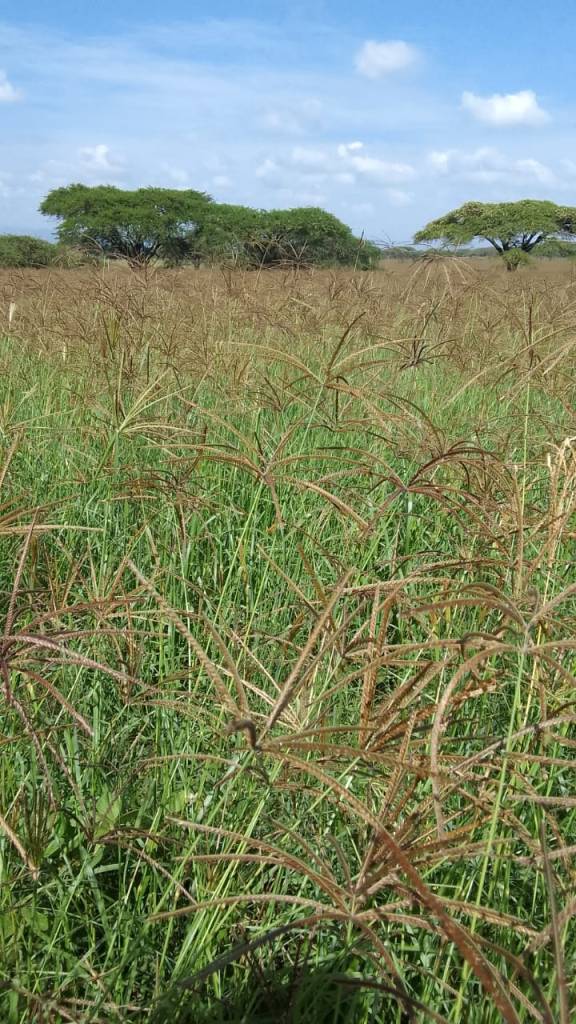
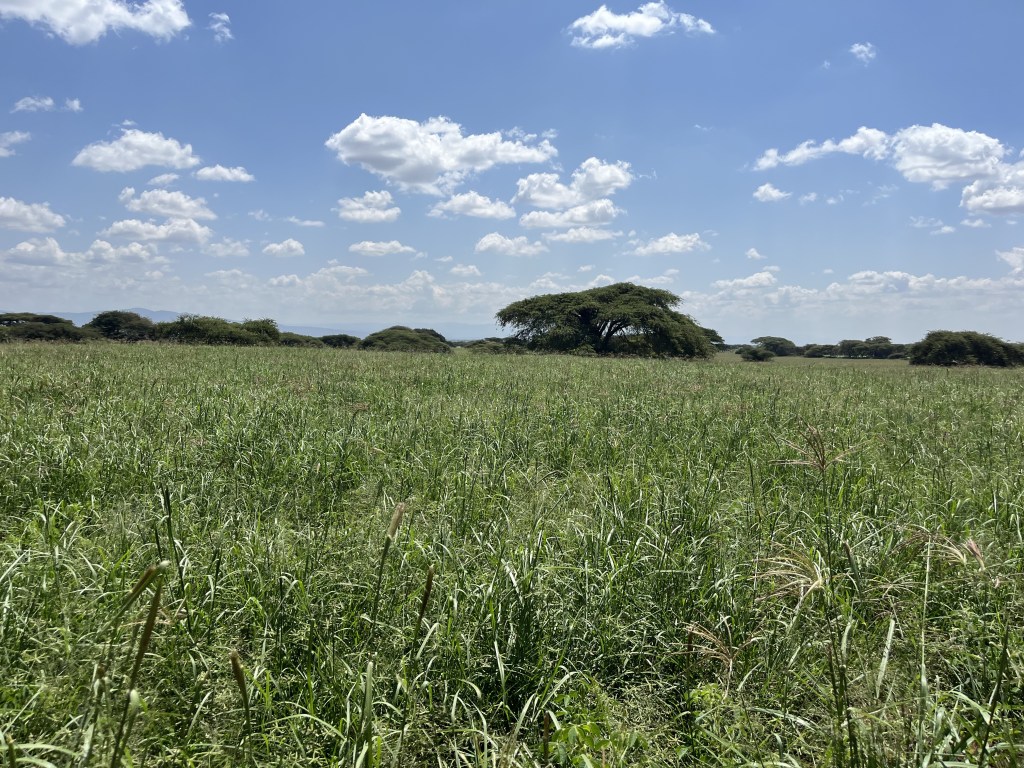
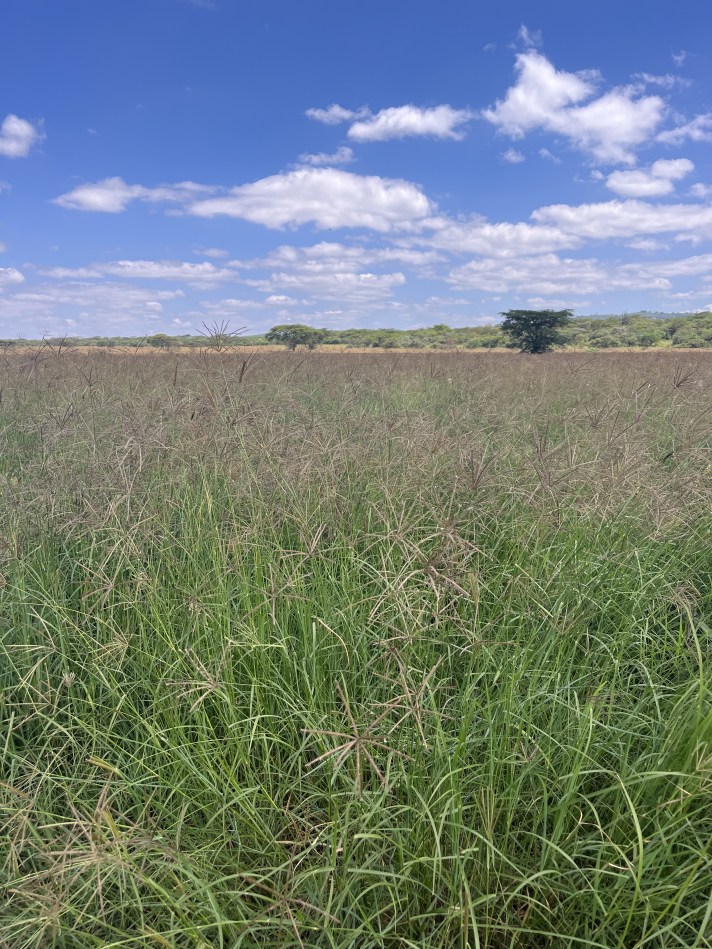
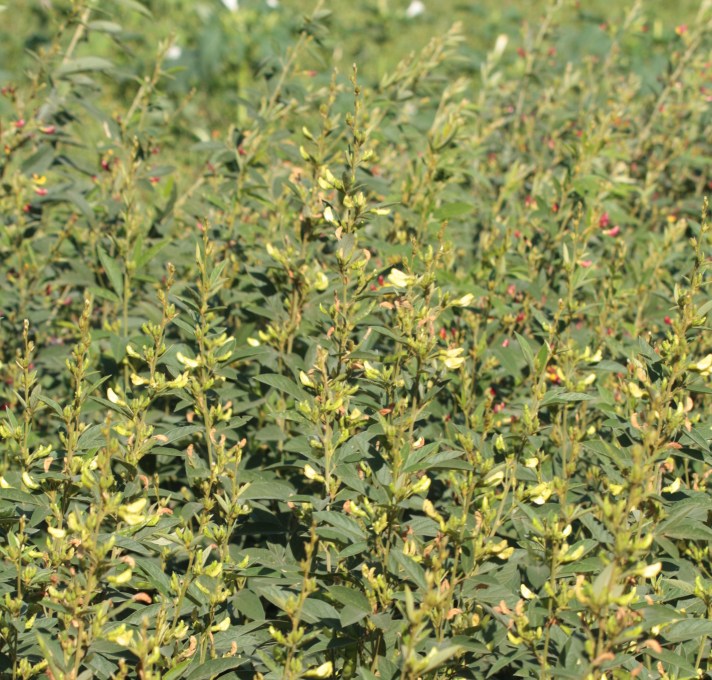
With our varieties, individual plants have a high number of pods. Beans dressed and ready for sale. Beans ready for harvest. Boma Rhodes grass for both seed and hay. Boma Rhodes grass early in the crop making the most of the rain. Beans!
Livestock
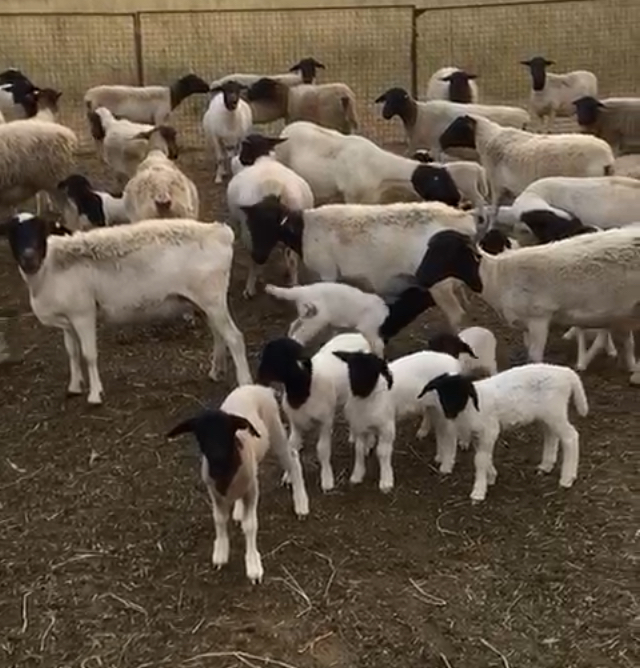
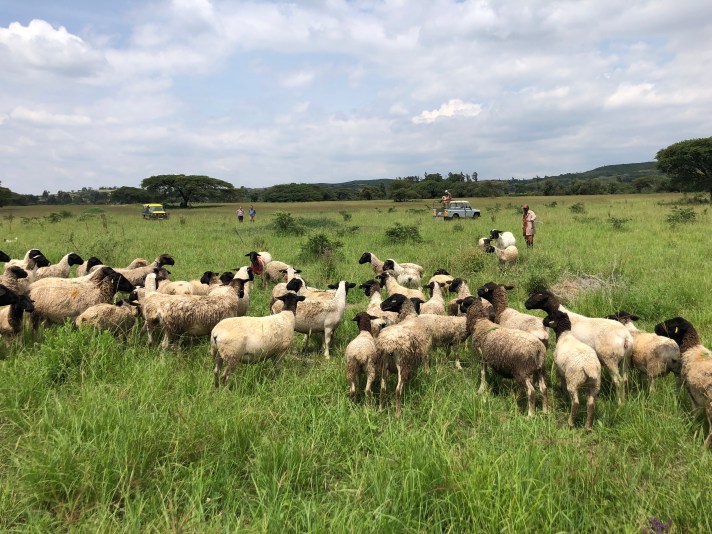
Our sheep are thriving, we now have 3 rams, adding a 3rd ram (Zeb) from Borana to our 2 rams (Jeremy and Caleb) from Mpala. We’ve received a marked increase in the number of twins being born, and all of the sheep delivered to Choice Meats have met their “prime quality” standard.
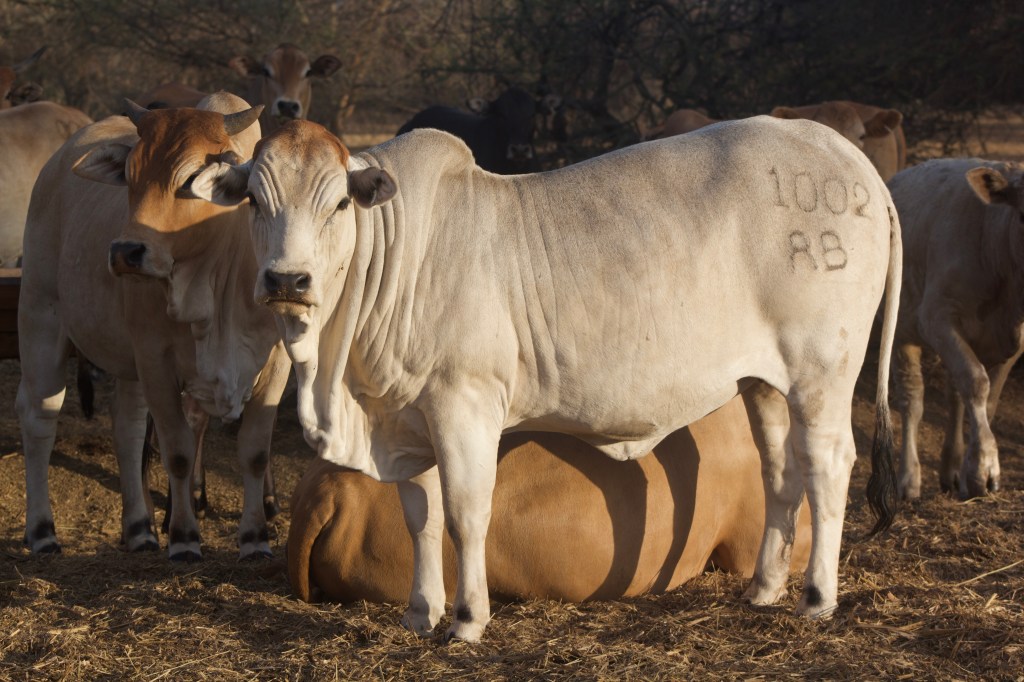
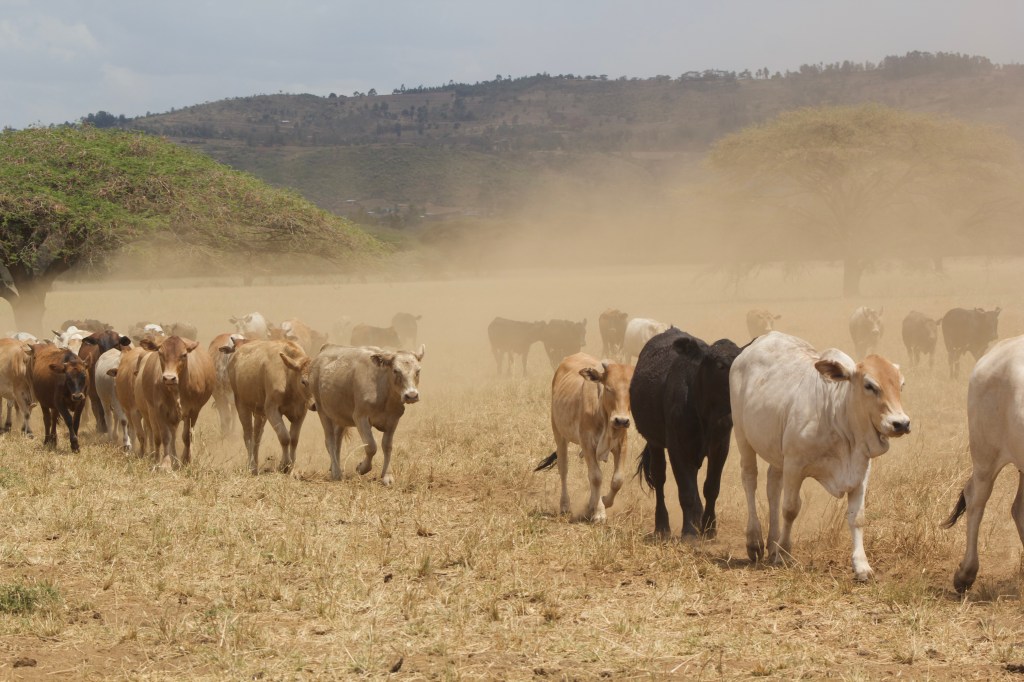
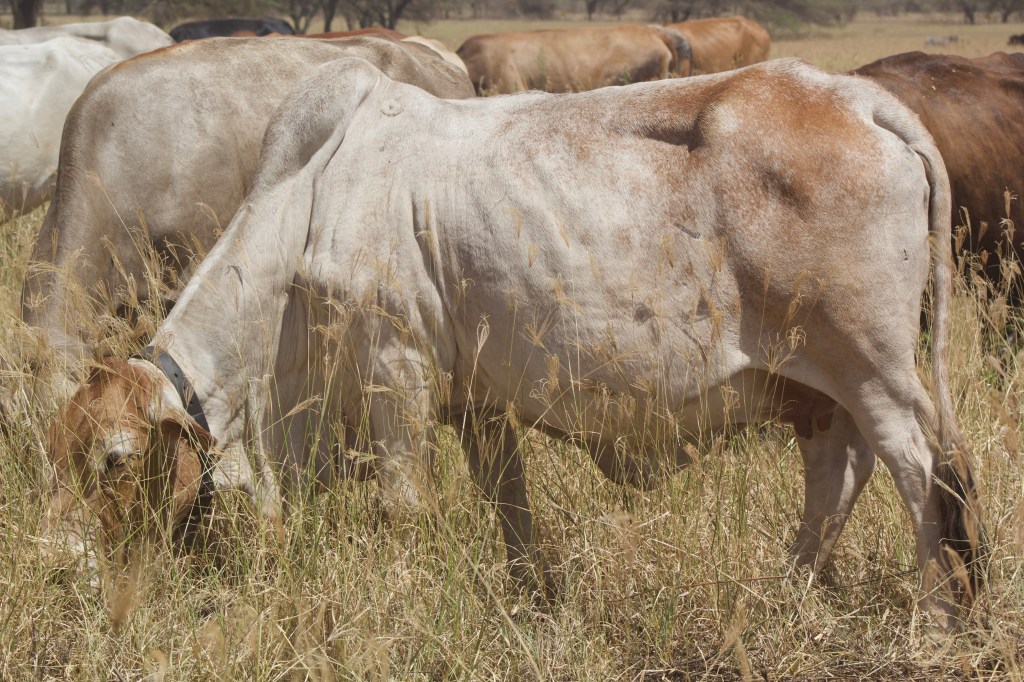
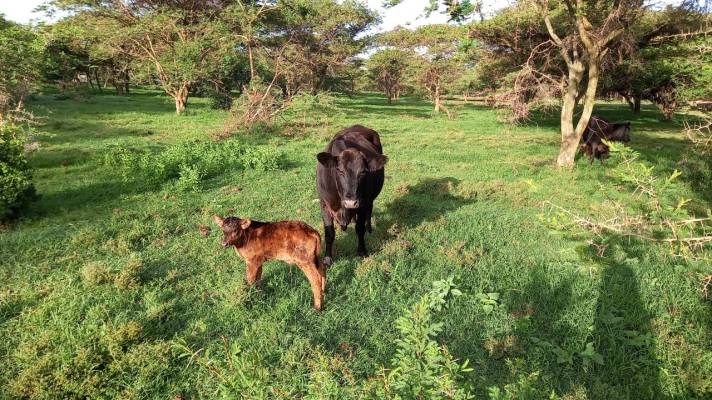
The cows have also had a good year, continuing to flourish after coming through the prolonged drought in good condition. We’ve had a great year for AI calves, which you can read more about here.
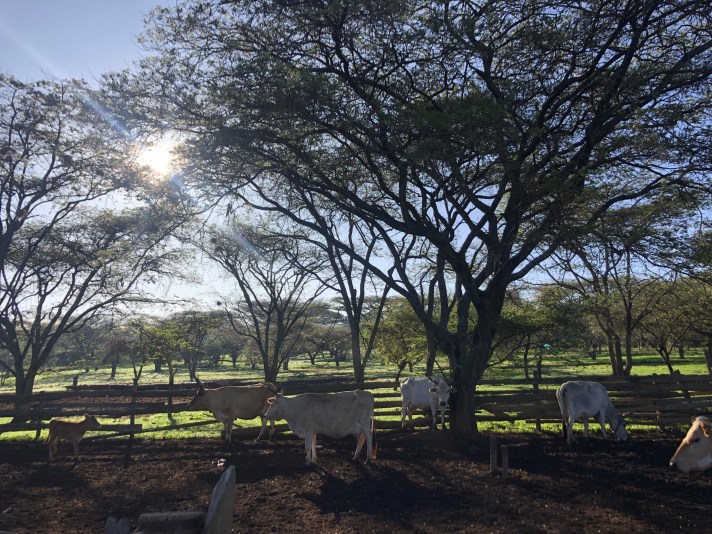
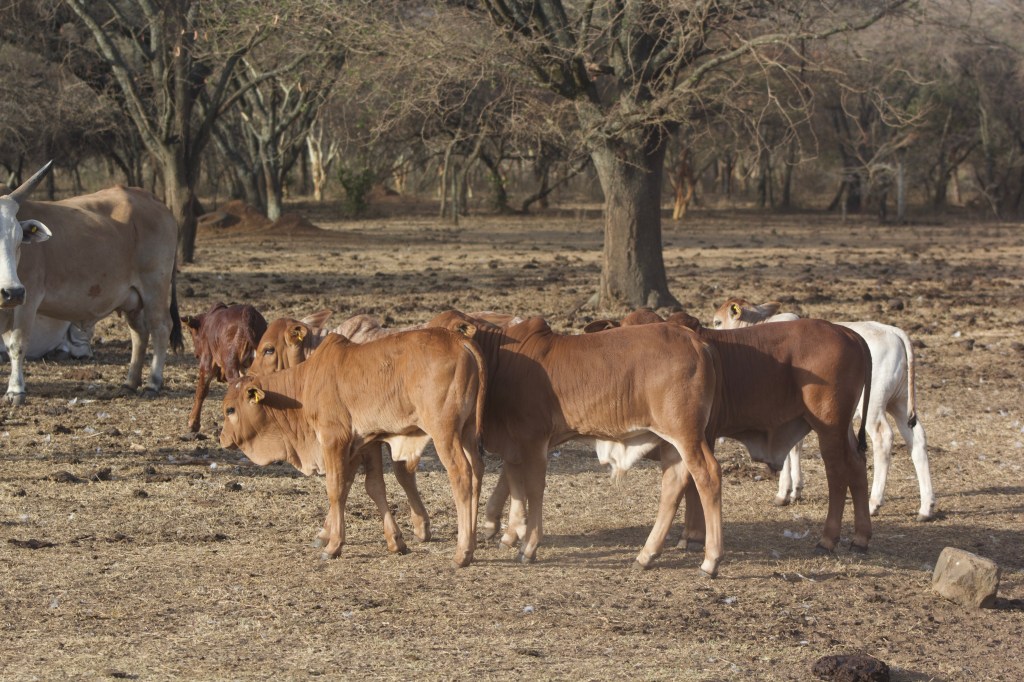
Brahman calf from AI. Boran and boran-cross calves. Cows grazing a fallow field. Boran steer.
The cows are a key part of our rotation, and provide critical cash flow between crop harvests keeping the farm afloat and salaries paid.
Water
We’re really pleased to have operationalised our borehole at the end of this year, this will be a transformative development for the farm, as we have always been plagued by water stress, especially in times of drought – this has been marked in recent years as we deal with more extreme drought combined with increased demand on local water sources.
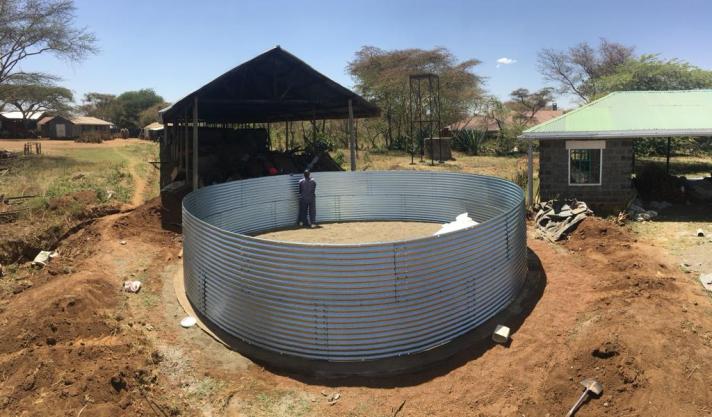
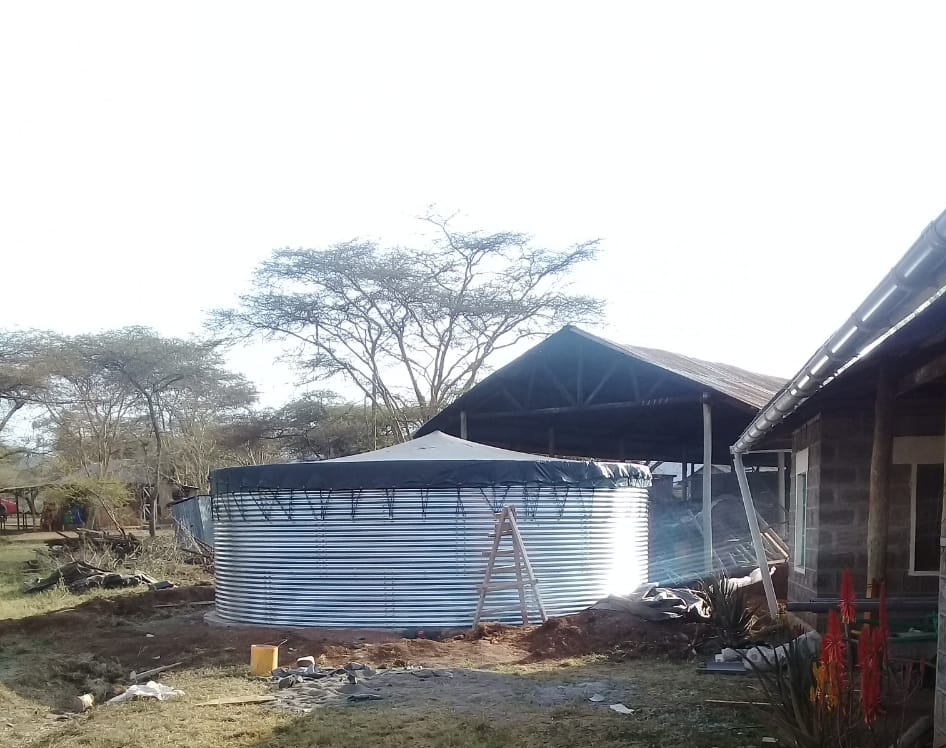
Additionally, as we dealt with borehole delays, we were able to benefit from the water harvesting investments put in place early in the year and in 2022, these will also reduce runoff and erosion, and provide drinking water to supplement the slightly saline borehole water.
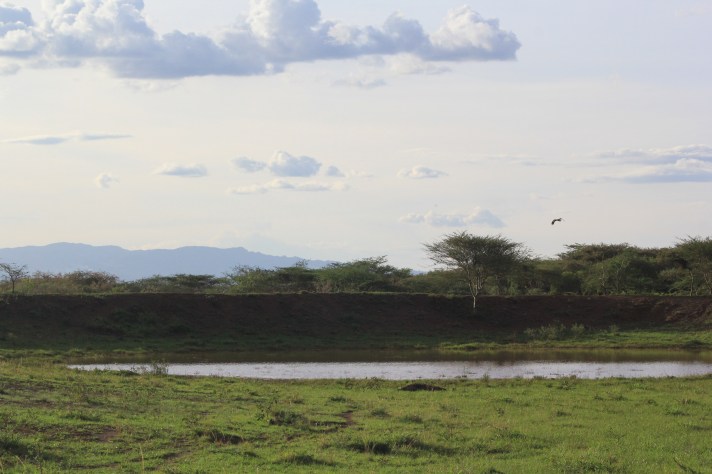
Rain water catchment.
Wildlife
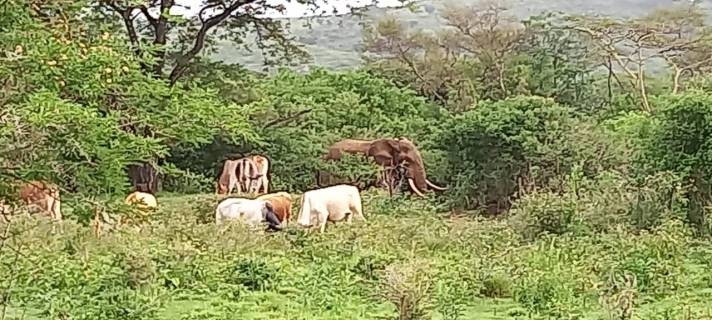
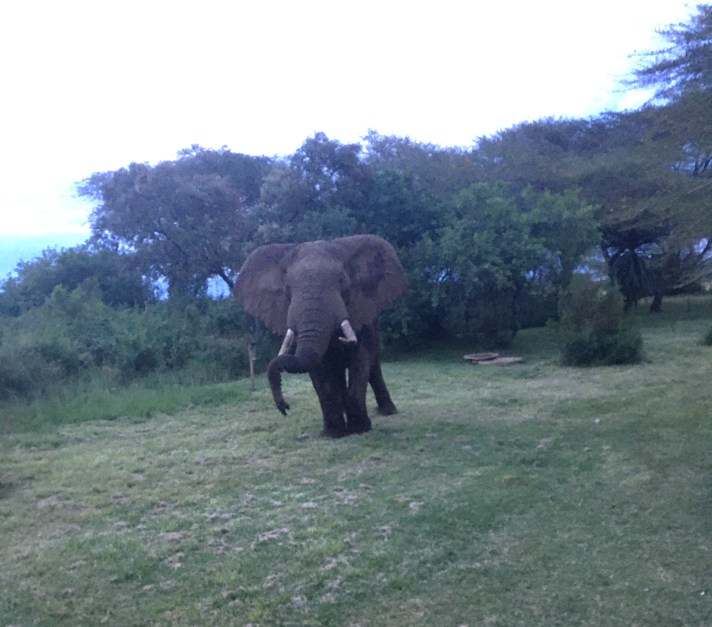
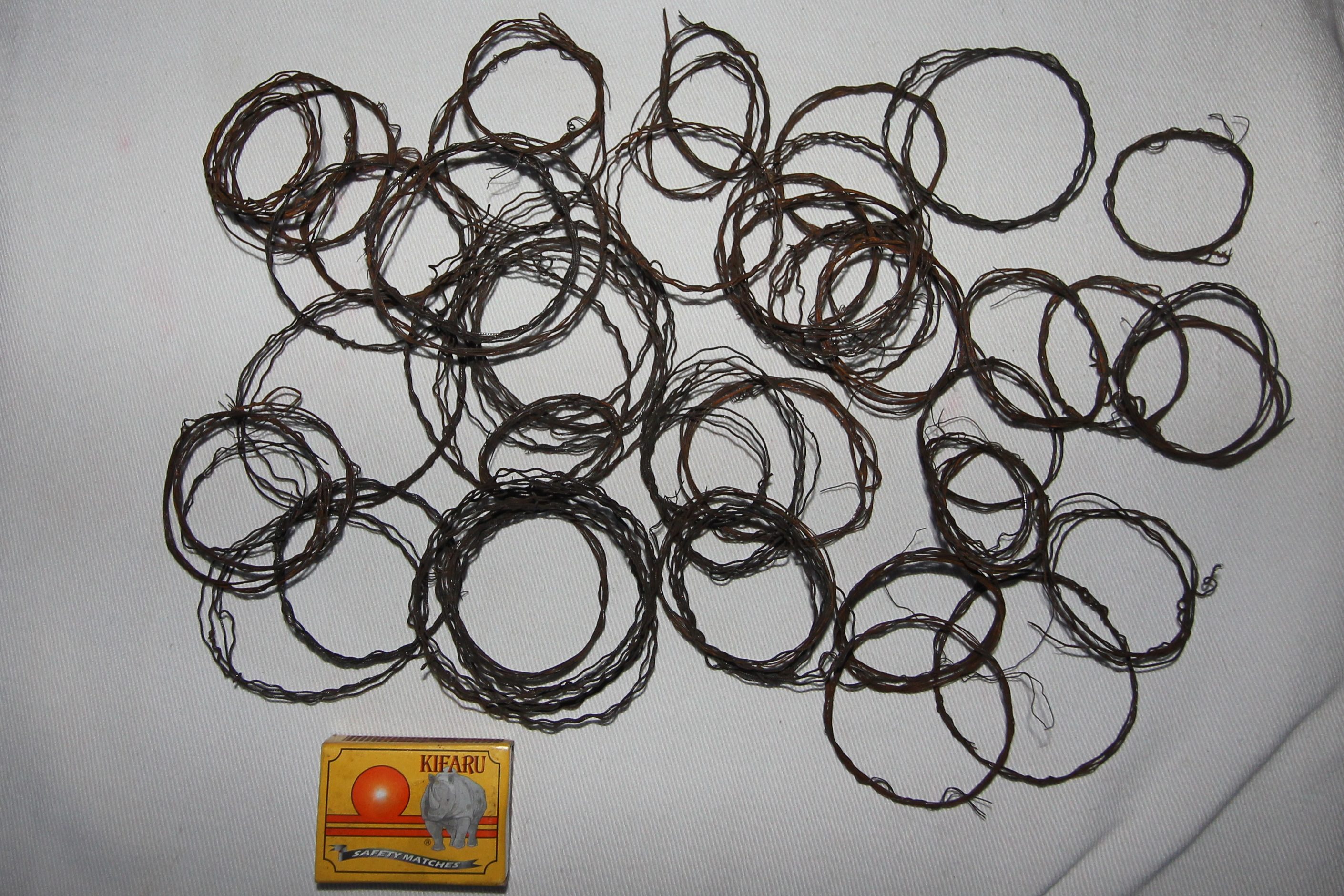
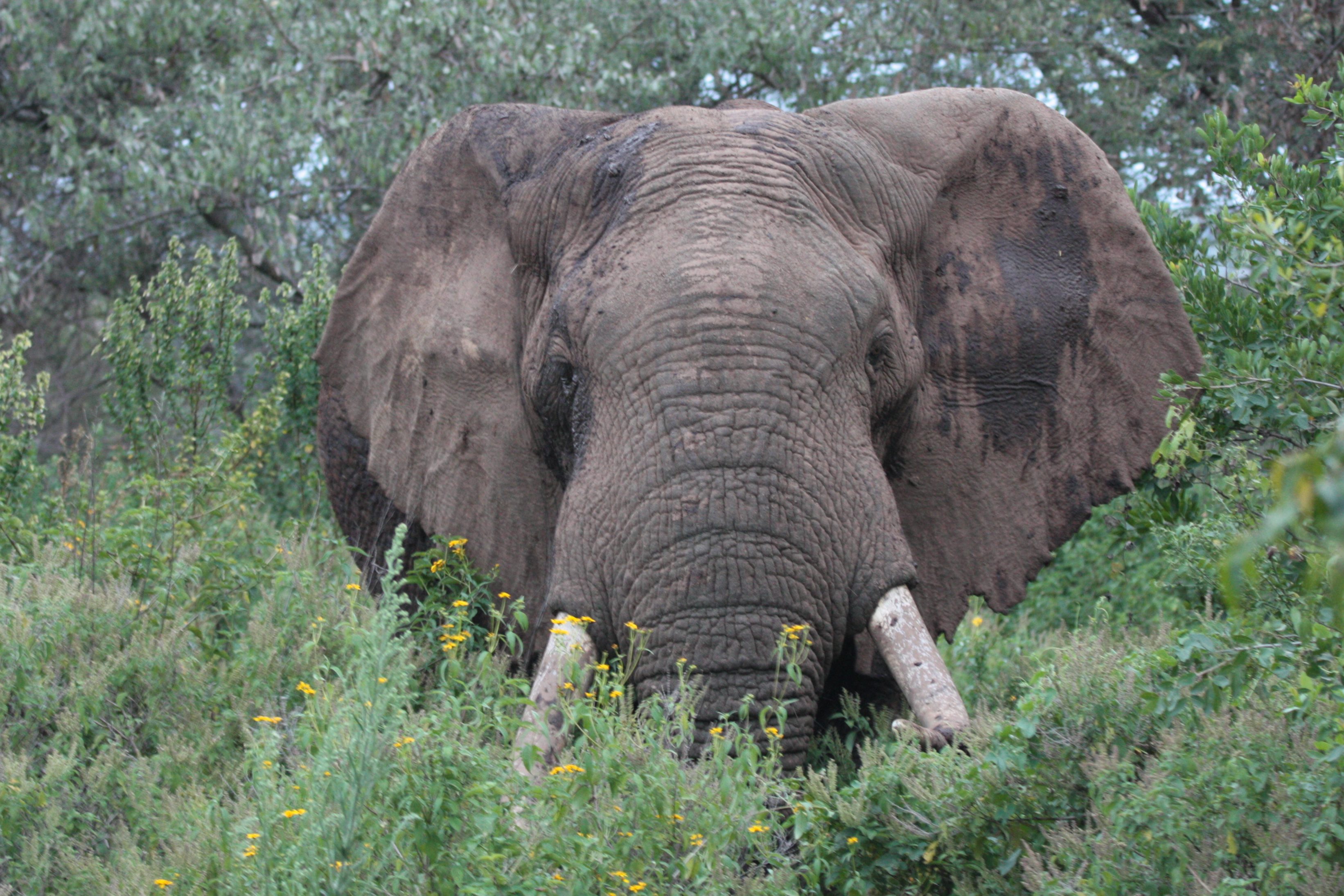
Loloto the elephant continues to choose the farm as part of his home, we’re honored to host him – despite the damage he wreaks on our fences, trees and general infrastructure. He is part of the rich ecosystem of the farm, with high levels of biodiversity flourishing alongside our crops and blended with our pastures. This has been threatened by a sharp increase in trespassers setting snares, to cruelly catch small animals for sale into local game meat trade. We’re working with KWS and local administration to address this.
(You can see more of the wide array of wildlife here.)
Lamu
Our tree planting campaign in Lamu is continuing well with over 200 fruit trees now established. We’re continuing to look after this incredible place, as we explore options to make the most of this space and location for recreation or business.
Sunrise in Lamu.
Looking Forward
We’re hopeful 2024 will be our best year yet! With exciting new developments with the borehole, amazing genetics coming through with our cattle herds, and most of all, the continued commitment, capacity and dynamism of our team!
As the year draws to a close, we’re going full throttle to harvest crops and deliver livestock, while grappling with broader economic challenges and with the potential for El Niño.
A new Brahman calf, born from AI.
Crops
This quarter we harvested our forage sorghum, E6518, taking off both a seed crop and harvesting the rest of the crop for silage – in preparation for the next dry season.
A silage mound just before being covered for preservation.
We have also harvested a crop of Boma Rhodes grass seed, with the rest of the crop going for hay and silage, for sale and our own use respectively.
Boma Rhodes grass seed crop.
Livestock
We managed to send off another shipment of steers this quarter ahead of Christmas! These cattle have been grass fed in the last few months (as we restock our silage supplies which were almost exhausted during the extended drought) – so they had lower fat cover than previous shipments.
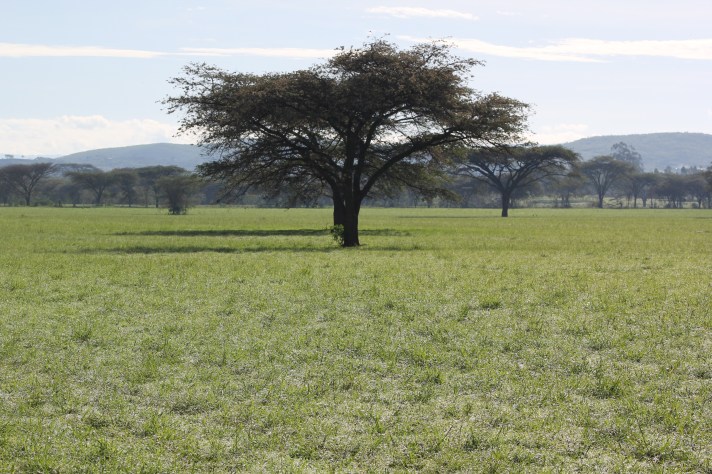
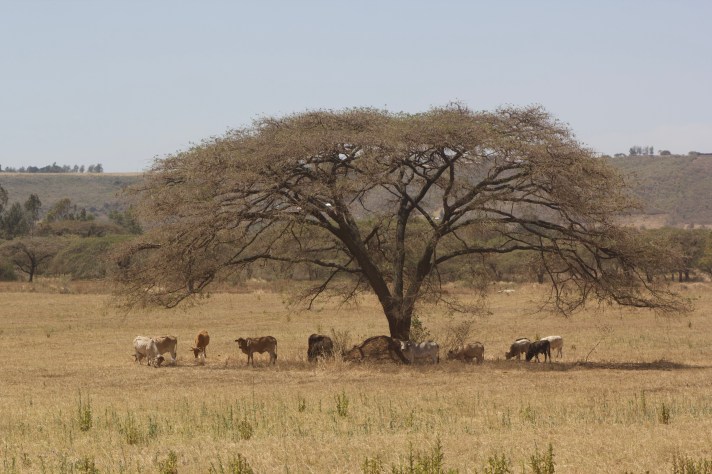
Cows grazing on a grass field as part of our rotation.
We also delivered sheep to Choice Meats, all received with the class of “prime quality”.
Life on the Farm
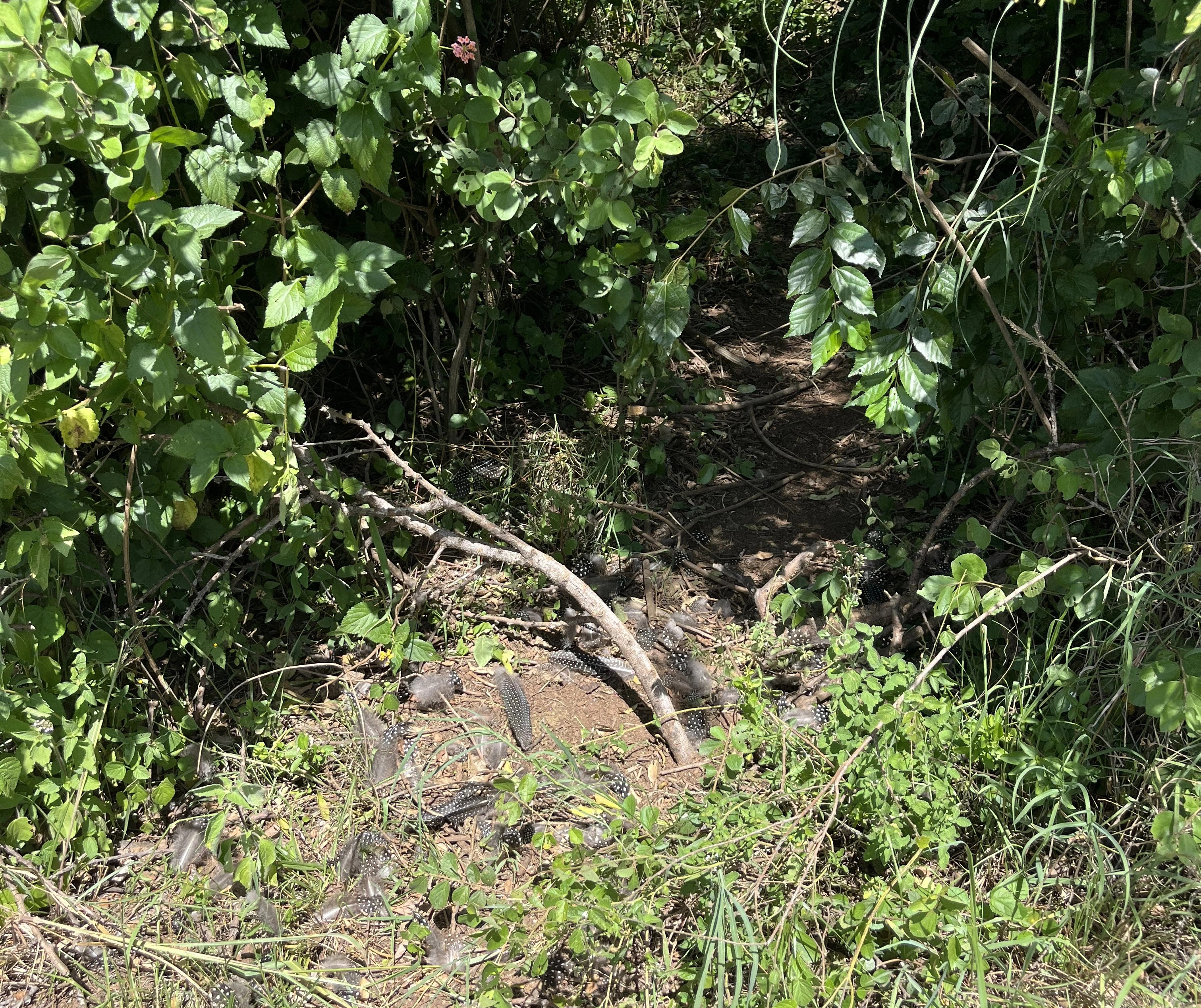
With Lotolo the elephant gone, we were able to fix some of the damage he leaves behind, repairing fences and removing trees he knocked over. However, in his absence we have experienced a sharp increase in trespassers setting snares, aiming to catch guinea fowl and hares which end up in the game meat trade. We’ve engaged both KWS and the local administration to address this challenge.
Guinea fowl feather left from a snared guinea fowl that was caught for bush meat.
The borehole is finally working again! After much delay, we finally have water being pumped from the borehole for use with cattle. This water is slightly saline, and therefore not fit for human consumption, but reduces the pressure in procuring water externally.
This quarter we prepared for the short rains, and harvested the first of our 2023 crops.
Crops
Our first harvest is our bean seed crops planted in the long rains. We were delighted with our high germination rate of 96% (KEPHIS – the Kenya Plant Health Inspectorate Service – requires a minimum of 80% for a registered seed crop).
Beans dressed and ready for sale.
We also planted 3 bean crops – KAT B1, Chelelang and KK8, and have a sorghum crop growing for both seed and silage.
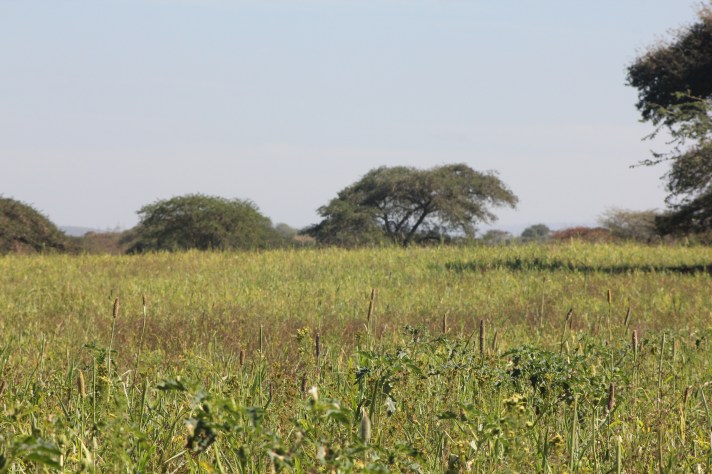
Sorghum growing for seed and silage.
We’ve also continued with our staple grass crop – both hay and seed Boma Rhodes, this provides crucial cash flow and is central to our crop rotations.
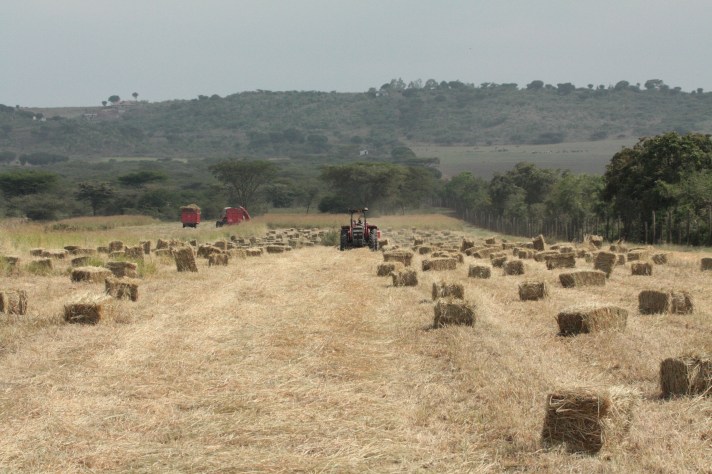
Hay being harvested, we stack it in piles of 10 bales to be sold off the field.
Livestock
Our cattle and sheep are thriving, having come out of the prolonged dry season in reasonably good health. We delivered a shipment of steers to Choice Meats, and have been continuing our work with artificial insemination (AI) to improve the genetics of our herd. You can read more about this here!
We did have some disease challenges this quarter, especially “blue tongue” in calves, which comes about when the cattle and the sheep are in close proximity. We vaccinated for foot and mouth as there were some cases in the region.
Boran and boran-cross calves.
Life on the Farm
We’ve continued our tree planting efforts with eucalyptus and cyprus for timber in the future, and with fruit trees in the borehole compound, these have gone in with fairly wet conditions, and we hope the trees will be established by the dry season.
Eucalyptus (left) and Cyprus (right) seedlings taking root during the rains.
The challenges we faced in Q2 with the borehole have not yet been fixed, but we hope for a resolution soon. The rain has abated some of the water stress we faced last year, especially as we’re mostly able to depend on the fruits of investing in more water harvesting infrastructure.
Rain water capture, tiding us over while we fix the borehole.
April, May and June mean one thing – planting in the long rains! This year we received moderately good rain, with 195mm in April, continuing into May before drying out in June.
Crops
In keeping with our ongoing crop rotation, we planted beans, sorghum and grass in April, taking advantage of the rain and the moist soil. These crops are planted with minimum tillage, with only our fallowed grass fields receiving deep tillage to break up compacted soil structure. The beneficial outcomes of many years of this practice are evident, in the first large storm of the year (40mm in one hour!!) we didn’t loose any top soil to erosion, with all the welcome rain water infiltrating into the parched soil. Additionally, soil analysis shows our soils have an organic matter content of 5%, which we aim to increase further.
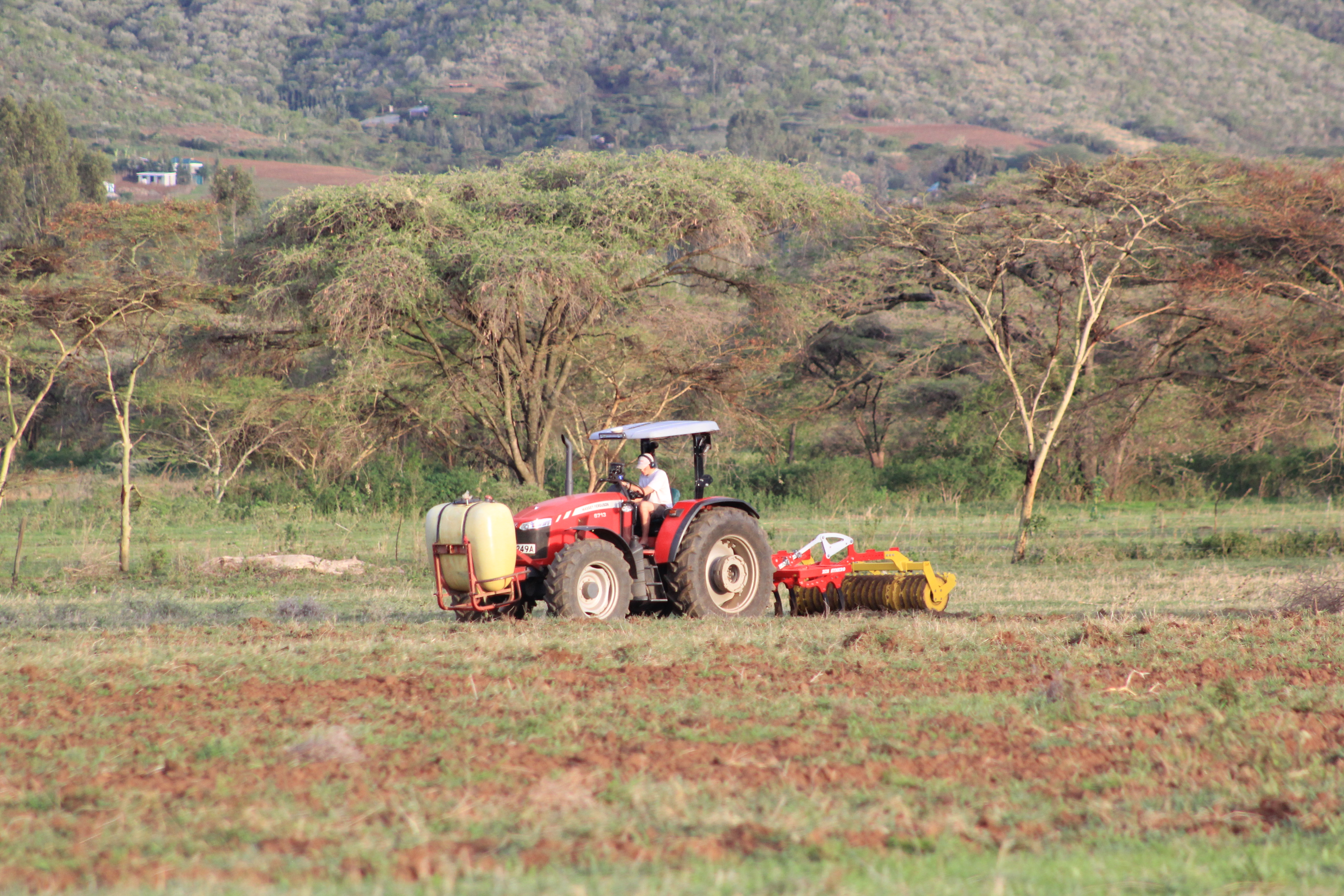
Harry doing some field preparation on a previous fallow grass field before planting beans.
Deep tillage along a grazed field – this facilitates greater moisture adsorption and breaks up compacted soil structure.
All seed crops were registered with KEPHIS, whose inspections are on going. We also conduct daily scouting to monitor plant health and progress, and keep an eye out for any pest or disease threats that might need to be nipped in the bud.
Beans!
Livestock
The extended drought took a toll on all of our pastures, this year we kept the cattle within their home bomas for two weeks to allow for the pastures to recover. This also gave us the opportunity to repair bomas, and generally maintain herds through weaning and organization.
After taking courses in the UK, both Nigel and Harry have been carrying out AI, this quarter we had our first AI calves! We also bought a new Angus bull from Marania, so we’re looking forward to seeing our herd genetics continue to improve.
Our small dairy contingent in their boma.
With the rains we expect disease burden to reduce, especially major threats such as Foot and Mouth. However the next door farm had an outbreak of Anthrax, fortunately we were able to act quickly to vaccinate our herds and we’re grateful that we had no cases.
This quarter we split the sheep into 2 flocks, each with their own rams, Jeremy and Caleb. We had a successful lambing season, with minimal losses, and a surprising number of twins, which is not something we’ve experienced at high rates in the past, we’ll aim to select for this in the future.
Water
The borehole finally started pumping water, the water storage infrastructure was completed and we were gearing up to transport water by gravity through the farm. However, disaster struck when the pump failed, we hope for this to be fixed in the next quarter.
Our dams collected some water, though due to the land management practices we actually have minimal runoff to fill them!
Our largest dam slowly filling up during the onset of the rains.
Trees
For an additional income stream and to meet growing demands for firewood and timber, we have are trialing commercial stands of Cypress and Eucalyptus trees. We also planted Avocado trees, however these are unfortunately being eaten by antelope and pigs, highlighting the ongoing need to adapt to farming along side thriving wildlife.
Life on the farm
We’re so pleased to have a respite from the drought, which was really taking a toll on people, animals and the landscape! The resident elephant, Lolotoo, left the farm and has been tracked to highland forests nearby. In his absence, we’re continuing to repair fences, collect trees he has knocked over and clear invasive lantana.
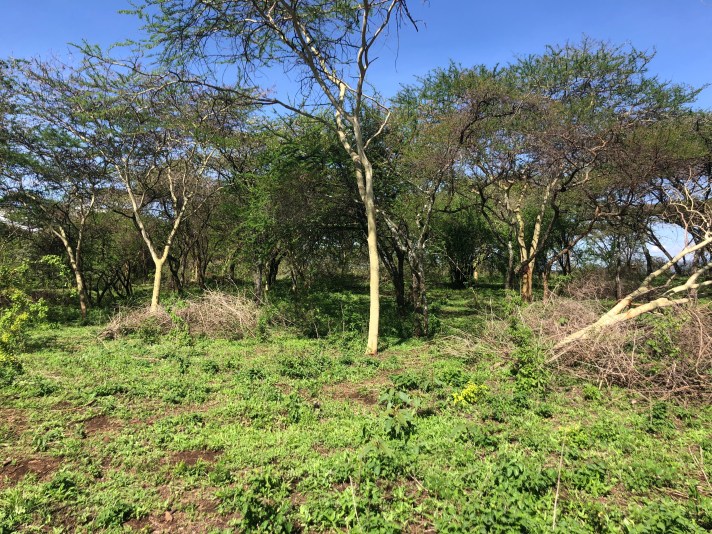
Grass recovering in an area cleared of lantana.
We’re looking forward to a successful growing season, hopefully with a bit more rain than we had last year!
This year got off to a punishingly dry start! While January, February and most of March are usually dry, this dry season came at the end of a prolonged, crippling drought and really tested all of our systems!
We were fortunate to receive rain at the end of March, and this has happily continued into April. Our rain is usually associated with Easter, which is early this year.
The first signs of rain!
Crops
With very little moisture in the fields we had no crops growing at all this quarter. Most of the fields were fallow, with even minimal grazing capacity.
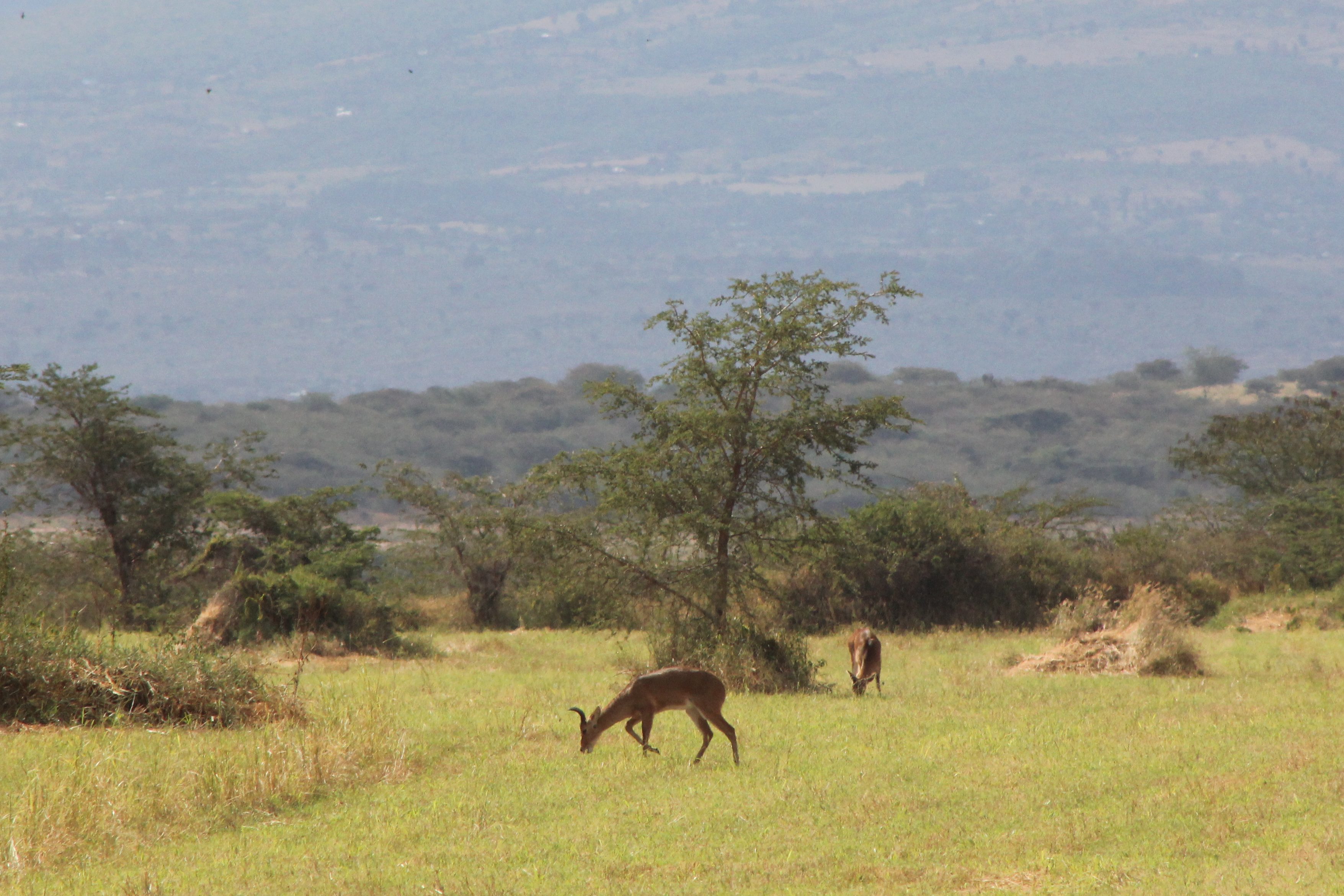
A lone reed buck in a fallow field.
We did have very good bean seed sales in Bomet, our stocks completely sold out within a month.
We used the dry season to build up a little tree nursery with well over a thousand Acacia tree seedlings, which we will use to replace fallen and old trees, especially where Lolotoo (the resident elephant) has knocked over or damaged trees.
Livestock
The cows have come through these harsh conditions very well, maintaining condition and still looking very healthy. Some steers were sold to Choice Meats, all of which were graded as Premium. This is in large part thanks to our preparation for the dry season, especially, silage and hay.
The cows also benefited from Acacia siberiana seeds, which they absolutely love! The experienced cows know to run to the right trees, and will spend all day picking up the delicious seeds.
Cows eating Acacia siberiana seeds.
We vaccinated for Foot and Mouth, and were lucky not to have any other outbreaks, especially as there was a significant amount of Contagious Bovine Plural Pneumonia (CBPP) around in neighboring counties, and the dry weather led to a lot of movement of livestock around the country looking for grazing and water.
The Dorper sheep are in their element enjoying these conditions, this quarter we got a new ram from Borana to introduce some new genes to the herd.
Sheep grazing some dried cow peas trials.
Water
With the drought the cattle were drinking a huge amount of water, and with Lolotoo’s daily showers our capacity to keep troughs full was stretched! Each dry season this is becoming a more critical issue, as pressure on local water sources is increasing, with lorries coming all the way from Nakuru town. We were fortunate to be able to access borehole water from Kampi ya Moto, but the situation in the long term is untenable.
Lolotoo having a shower from the cattle trough
To mitigate this, we continued with the preparation for getting our new borehole online, with a new pump, generator and piping infrastructure. This is complicated by the high temperature of the water in the borehole, which means that the motor and generator are over sized. We have been busy building a special generator house and security accommodation on the site, and have coordinated with the county to put a pipeline across to the main farm. The water will go to a stone tank, from which it will be pumped to elevated tanks for further distribution.
We’re really excited about the potential for this new resource to unlock new opportunities, while ensuring we’re able to see livestock through challenging conditions.
Wildlife and Environment
Lolotoo has been making his presence felt, both on the farm with lots of tree damage, and on neighboring farms where he went on a couple of nightly raids. We tried to stop this by putting an extra electrified wire along our southern boundary, while also making sure that neighbors were able to coordinate with the area Chief and KWS to access the appropriate compensation.
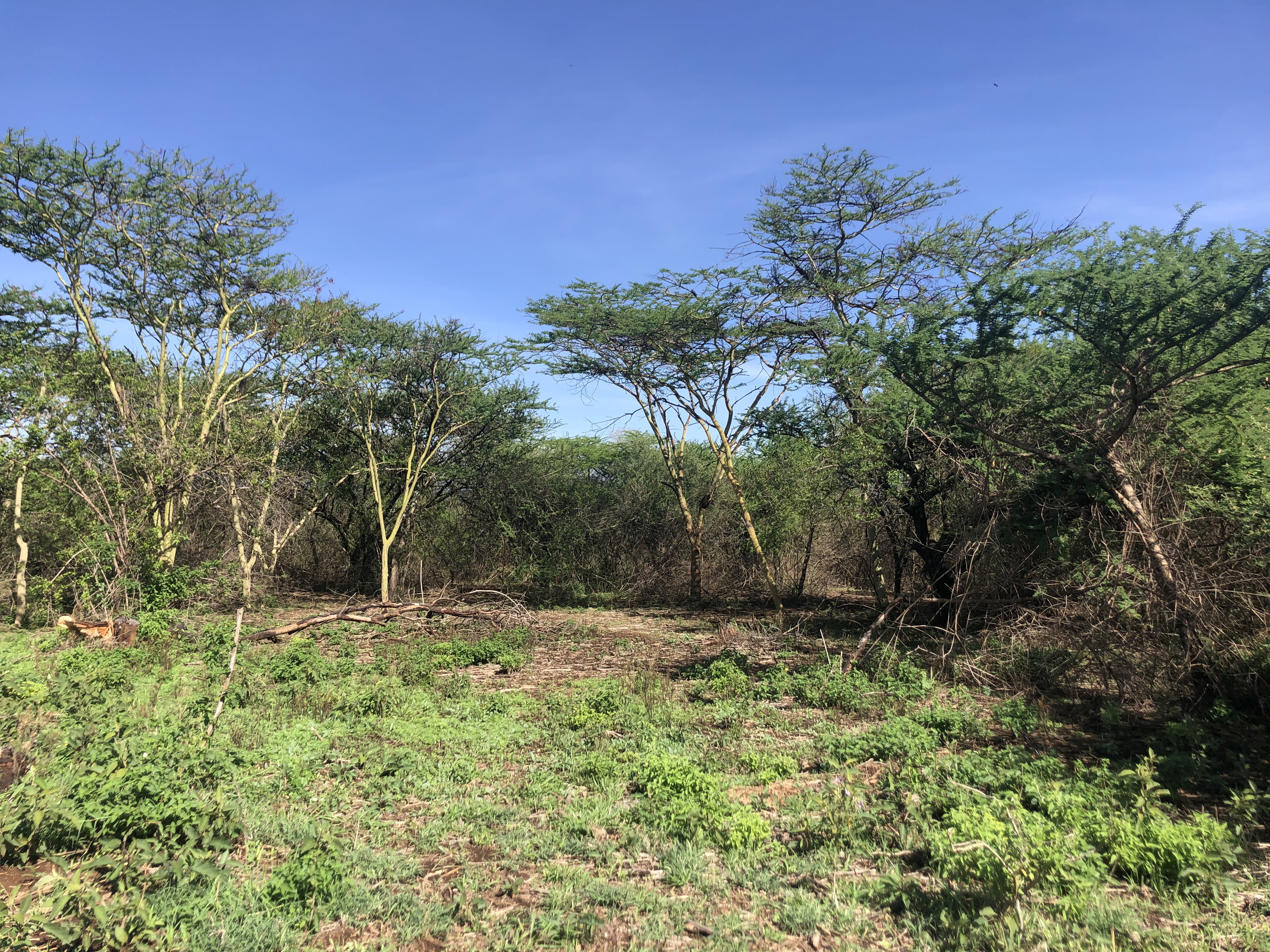
We’ve been making use of the dry conditions to continue our efforts to combat invasive Lantana, the rains at the end of March show the impact this will have as newly cleared areas are coming back with lovely native vegetation that will make for good herbage lays.
New vegetation coming through where Lantana has been cleared.
Life at the farm
We’re continuing staff training, with one new driver licensed and increasing computer and record keeping capacity amongst the management. Everyone is really relieved to have some reprieve from the drought, and we hope that 2023 will bring bountiful harvests for all!
A sunbird enjoying a prickly pear flower along our fence line.
This year has been full of both success and challenges, we received 792mm of rain which is below average for the farm, this really highlights the importance of our holistic approach of minimum tillage and crop rotation.
Crops
Overall our arable activities have been limited due to the low rainfall. We had a disappointing season with another failed maize crop. However, our bush beans (Chelelang and KK8) were more successful with good crop yields for seed, however due to the sporadic rain we had to limit the area under cultivation. Demand for Leldet seed remains very high.
Planting into the night to make sure that the crops go in with as much moisture in the ground as possible.
The Leldet sorghum E6518 produced a good silage crop, with a total of 805 tonnes (combined sorghum and grass silage) in storage to ensure we can get through what we expect to be a punishing 2022/2023 dry season.
Our Boma Rhodes Grass continues to be a key part of our rotation, the fields produced well with 8 tons of grass seed produced for Kenya Seed Company – which had a record germination rate – and hay bales being sold directly off fields due to high demand with the continuing drought across Kenya.
Hay bailing and silage making.
Product Development
We are committed to working with partners in industry, government and research to improve the crops varieties and practices in use – especially in marginally arid agriculture – to improve food security in Kenya and beyond.
Leldet is a member of the Kenya Bean consortium, which is working to engage CIAT (the International Centre for Tropical Agriculture) to help release bean varieties under the Seed Harmonization Agreement, pending the supply of data to KEPHIS (the Kenya Plant Health Inspectorate) to enable release of new varieties. The delay directly results in lost seasons for farmers for whom these improved seeds could boost yields and incomes. As we wait for this to be resolved, we are continuing with the bean trials, data collection and harvesting.
Trials
We’ve continued our Soybean Trials into a second year with a Soybean kit imported from Zambia. Our Trial Manager, David Omosula has been working with Illinois University, collecting data in the field with a “QuickTrials” app, which improves the accuracy of data, especially for disease and pest identification. We’re working with Qualibasic to manage the release of the Leldet Soybean through NPT trials with KEPHIS.
The trials have expanded to include maize, this year we received AATF (African Agricultural Technology Foundation) maize parent lines (WH5375) and planted a small trial plot. The seed will be used for promotion and farmer awareness in the 2023 long rains with the intention of starting to sell seed in the 2023 short rains.
In 2021 we trialled forage grasses from Alliance of Biodiversity, these continue to grow well and we have used splitting to propagate these grasses into larger plots, quite a labour intensive process! Our intention is to silage the plots in 2023 and start sharing these varieties of grass with our neighbours.
In partnership with Agri Experience we started promoting the Leldet small packs using standard seed which is an exciting project we hope to expand in the long rains 2023 with yellow beans and forage sorghum.
Livestock
Our livestock operations have had a very successful 2022! This year we had 127 calves born, the mortality rate is down to just 7% and weaning weight at 9 months has been an average of 200kg. We’ve been fortunate to have limited disease challenges this year, having tightened up on hygiene and early diagnosis of illnesses. Despite the reduced rainfall this year, our silage feeding and rotational grazing have resulted in continued sales to Choice Meats with our cattle consistently grading between Premium and High Grade.
Ekal and a premium boran cow.
We’ve been improving the quality of our stock through intensive AI – artificial insemination – with both beef (Angus, Charolais and Simmental) and dairy (Jersey) genes. This has been enabled by both Harry and Nigel completing a DEFRA accredited AI course.
The first AI calf from Harry’s efforts.
We transitioned the sheep into lambing seasonally by limiting access of our rams. This has helped enormously in controlling disease within the herd. The results of these efforts are clear – all of the lambs that have gone on to be sold have all been of the highest category, Premium!
Lots of lambs!
Nature and Environment
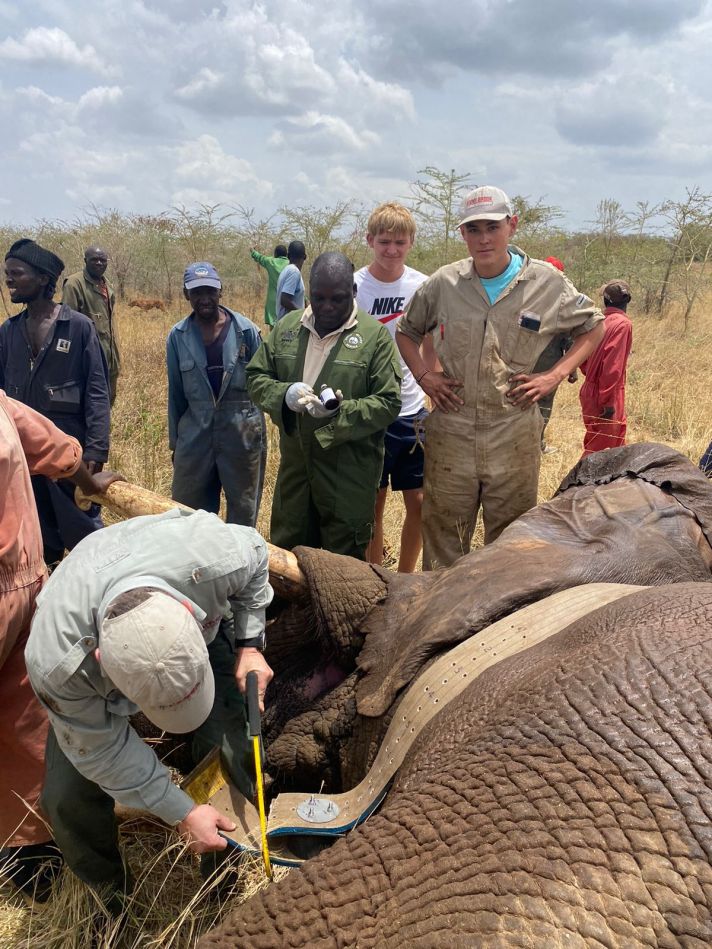
Lolotoo the Elephant was officially named and collared thanks to Mark Goss at the Mara Elephant Project and KWS (Kenya Wildlife Service). We have been able to track Lolotoo when leaving the farm and ensuring on his return that the electric fence has been switched off.
Lolotoo being fitted with a tracking collar.
Loloto and some cows.
We were privileged in September to host two eminent professors who were researching Human and Animal conflict for their latest book. They were able to experience first hand the damage and humbling experience of hosting an elephant while managing a commercial farm.
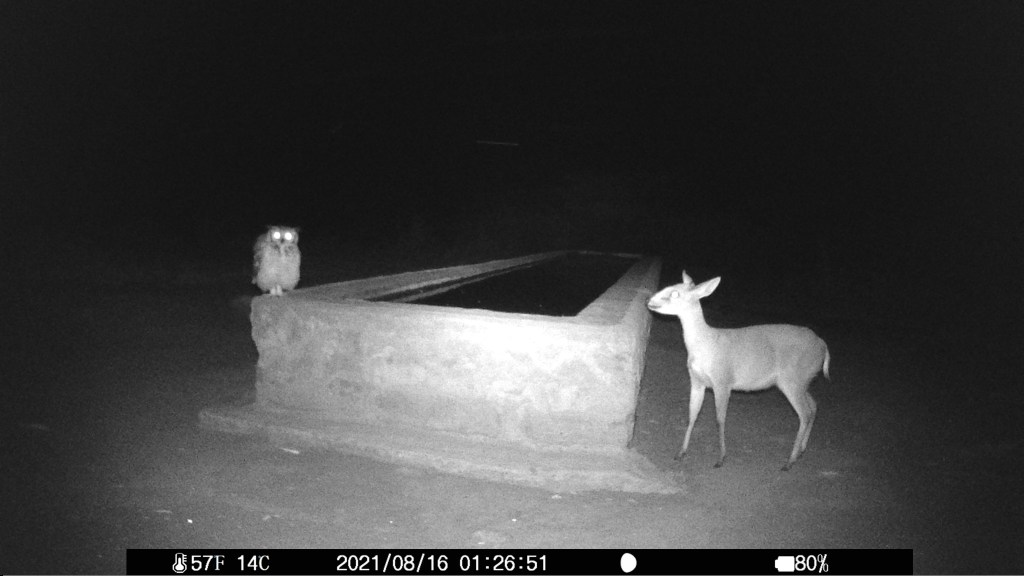
Elliot has been busy keeping the Night Cameras up, which has produced extraordinary pictures and videos of wild pigs, striped hyena, caracal, and owls at water troughs.
We’ve been increasing our Lantana clearing efforts, with both Harry and Elliot working with JCB. This has resulted in improved grazing and seems to be appreciated by the duiker and dikdik too. Elliot has also created water pans both for livestock and wildlife.
An aerial photo showing the space opened up by clearing invasive Lantana, with the next rains this will all be covered in grass.
In 2022 we made a massive effort to increase the number of trees planted, both indigenous and fruit trees. We planted over 70 fruit trees, over 100 cyprus and gum trees, and started a nursery with over 300 indigenous acacia trees.
Water
One clear lesson of the prolonged reduced rain has been the need to increase the efficiency of water consumption and maximise our water harvesting and storage. In partnership with road engineers we have diverted run off from the Ol’Rongai road via a large trench leading to an earthen dam. The cattle have been in the dam to help with puddling after the rain, this compacts the ground and we hope this dam will be a good water storage resource.
Cows puddling and drinking from the dam.
All of the stores have been fitted with guttering and tanks, this has proved invaluable not only with the water storage but also with erosion.
A new 100 cubic tank going in to collect water off our seed stores.
The directors took the decision to try and drill a borehole having had two failed attempts in 2002. It was a heart stopping couple of months with the first hole completely dry, however with perseverance a second hole was dug and we hit water!! This is a very exciting moment for the farm! In due course we hope to start utilising this water after installing pumping and storage infrastructure, however it will be nontrivial as the water is rather warm at 61C!
Staff Training
Our greatest resource is the incredible team we work with every day. We’ve been investing in capacity building activities to support continued professional growth.
Four members of the team completed a two-day Electric Fence course at Instarect in Nairobi, resulting in better fence maintenance and the construction of temporary fences around the key crops to keep out the elephant.
Five staff did a Red Cross first aid training in Nakuru.
Harry and Elliot did a Captains Boat Handling course in Watamu which is necessary for compliance when using boats in Lamu.
Three members were trained in computer skills, with our management team transitioning to being able to conduct more day-to-day admin.
Lamu
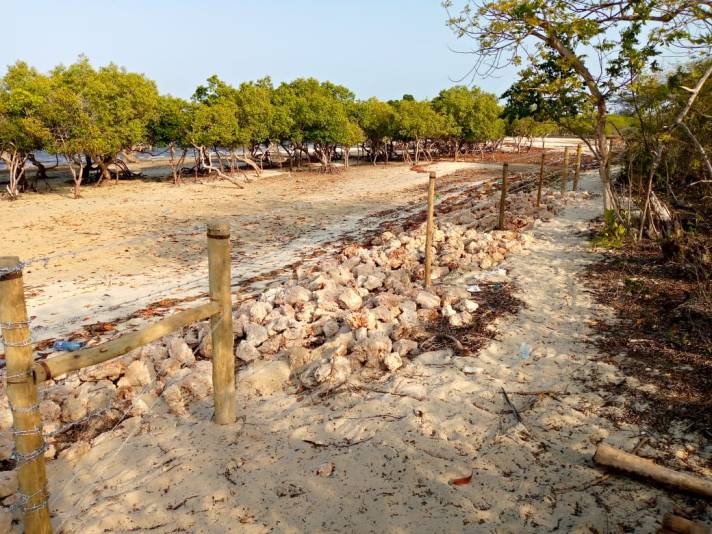
Harry, Rono, Maurice and Philip spent a month at the beginning of the year building the fence around the Lamu plot. This has reestablished the fence line and improved the security of the land. This will enable us to expand our fruit trees and protect the natural bush.
New fencing in Lamu
Looking Forward
The future is bright for Rajwera! We’ve come through a challenging few years with Covid and drought, and developed resilience and new focus on key priorities. In the future we will be upgrading our farm infrastructure to enable increasingly professional administration, mechanical maintenance and livestock management. We will be utilising internationally cutting edge software packages to improve the farms efficiency and productivity. Finally, we’re looking forward to building on the new water resources and continuing staff capacity building.
Coming into 2022 we were already feeling the impact of the worsening drought, this has really focused attention of securing water for domestic and livestock use. Guttering has been fixed to all the roofs and tanks bought for storage with a Maji Storage tank of 100,000lts being erected at the office compound for further storage before being pumped into a dam. The dam will be lined later in the year and also a further 100,000lt and a 200,000lt tank are being planned. Two borehole sites have been identified and drilling/abstraction permits granted.
Livestock
Despite the dry weather the sheep have had a successful birthing season with the loss of only three lambs and 55 surviving. The plan of putting the Rams (Jeremey and Caleb) with the ewes late September seems to have paid off with a batch of lambs ready for market later in the year helping cash flow predictions! The cattle were vaccinated against Foot and Mouth and dewormed and have been fed grass and sorghum silage in their night bomas every day. This has resulted in the cattle coming through a tough dry season without losing condition and being able to sell premium grade meat to Choice Meats.
Seeds
Leldet continues to participate in the Pan African Soyabean trials and with the assistance of Promasidor has entered an IITA soyabean variety into National Performance Trials. Production to start in 2024 if the variety is successfully released.
The Kenya Bean Consortium of which Leldet is a founding member has been busy with identifying varieties for commercial production. The Consortium will be requesting an exemption from the National release committee in May as the chosen varieties have been released in more than two East African Countries. If this is successful it will be a game changer for the Kenya Bean market and in particular the small holder farmer.
The bean and sorghum seed have again passed their germination with percentages in the high nineties and will be ready for farmers to purchase in April, including small packs of Kat B1 which is a yellow bean.
Crops
Preparation has been made for the coming planting season with a brand new Leldet maize variety WE5135 being prepared for planting, We are tremendously excited about this variety as it will be MLND resistant and offer our farmers a better option than what they have now.
Harry and Kurgat attended an AATF training on seed maize in Ziwani, and they both found the training interesting and enlightening. We look forward to their input in the coming season.
Our emphasis on regenerative agriculture using practices such as strip grazing, minimum tillage etc are paying off with soil samples showing that our organic matter is 7.2%. We hope that with the continued emphasis on ground cover and minimal soil exposure we will continue to grow our soils and keep them healthy. This is especially important with the raising cost of inputs and cutting back on fertiliser. It will be interesting to see the effect on the maize crops this year as it will be planted into a cover crop which was a mixture of millet and pigeon pea.
Wildlife
The Elephant came back on Valentine’s Day though he was a bit late getting into the farm and was quite stressed when he eventually got through the fence. He went into the sisal and stayed there for a few days recovering before reacquainting himself. We would like to thank the Mara Elephant Project, Mark Goss and the Kenya Wildlife Service (KWS) as they came and put a collar on the elephant who is now known as Lolotoo meaning wander in Masaai. Harry was on the farm to assist and managed to get a ride in the helicopter! We are now able to follow him on Wild Tracks app which when he moves off will be interesting to see where he wanders. The team collaring Lolotoo were impressed with his condition which Janey puts down to him eating the ratoon crop of Leldet sorghum E6518.
Elliot and Nigel were able to rescue an egg eating snake and took the opportunity to discuss the benefits of snakes.
This year we have been under enormous pressure on the north boundary as the neighboring farm has been unable to control opportunistic grazing herds of cattle which has led to attempts to invade our farm for grazing. So far, all efforts have been unsuccessful, but the fence team have had to be on their guard and respond to fence alarms etc. Alfred Rono and Harry went on a two-day Instarect fencing course and have come back with new ideas on how to keep the boundary electric fence better maintained.
Lamu
In January Harry Rono Philip and Maurice went down to Mnazi Moya to build the boundary fence. It was extremely hard work with hot days but the team did a super job and managed to take in some sight seeing by going to Takwa Ruins on Manda island.
It has been another busy and successful quarter at Rajwera. We have been fortunate to have continued good rains, despite the regional drought, this has kept pasture growing and helped some of the short rain crops produce good yields.
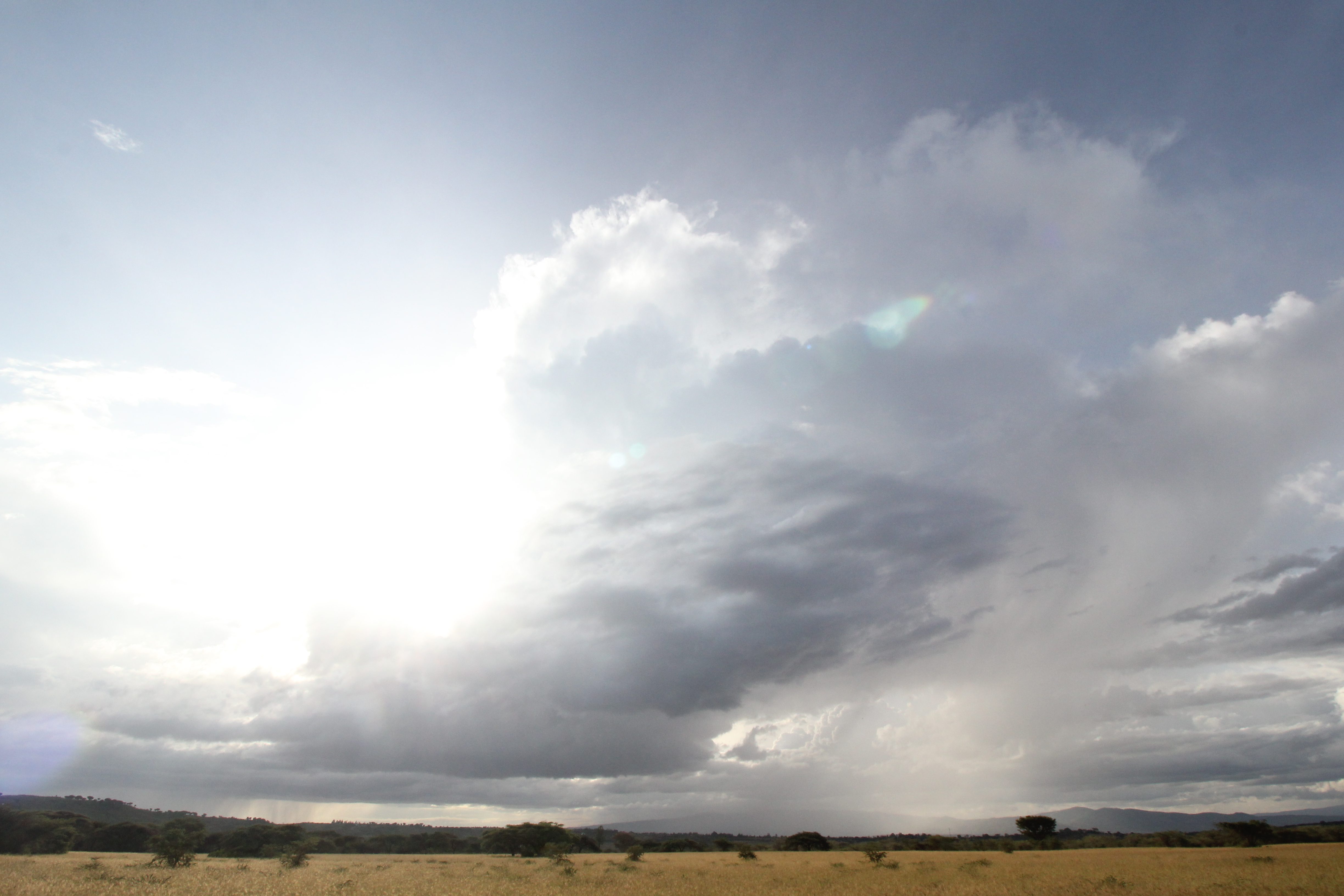
Beautiful rain storm in the short rains.
The resident elephant has left us for his annual Christmas break. We hope he is safe and sound wherever he is, and we are enjoying a respite in the destruction by fixing all of the broken fences.
Sadly, we have seen an increase in the amount of snares being placed in the shamba, with 56 being removed in December alone. These target small antelope and birds (such as guinea fowls) and lead to a lot of suffering and damage.
56 snares removed from conservation corridors.
Crops
The short rains growing season was successful, with good beans, sorghum and grass harvests.
Reed buck grazing on a recently baled field.
We turned some of our E6518 sorghum into silage, but due to its popularity, kept some of the crop back and harvested it for seed.
We harvested our KK8 beans from the second, short rains growing season and were pleased to have record yields – we attribute this to using mixed base fertilizer including CAN and high quality seed.
We’re excited to share that we have planted a dedicated cover crop for the first time. This crop is a mixture of millet, pigeon pea, cow peas, green grams and then volunteer beans from the first season’s bean crop.
Cover crop
We have continued to produce hay, with a marked increase in demand due to the drought and the price per bale doubling.
Livestock
The drought has increased disease burden in the region, with some cases of foot and mouth cases being reported. So far we have been fortunate to escape this, however we are being exceptionally cautious.
We sent off another load of 24 cattle to Choice Meats, this regular shipment of high quality beef which is helpful for cash flow.
In October we conducted a complete herd census, we are keeping discipline in retaining our target stock, removing older breeding cows as higher quality heifers come through. We’re seeing the impact of the improved stock, for example in our November weaning the majority of our weaners (aged 9 months) were over 200kgs.
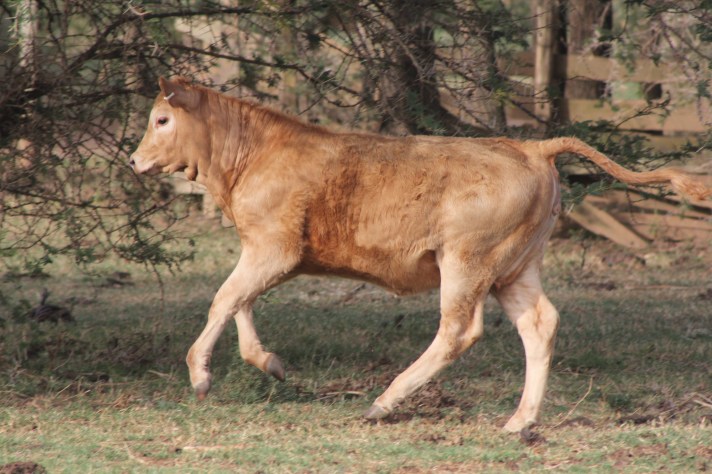
A frolicking weaner.
The new Dorper rams introduced in last quarter’s report came out of the herd in December for a targeted lambing cycle with the first crop of lambs in March through to May to coincide with the rains and subsequent good grass.
Life on the Farm
All staff who wanted to get vaccinated had the opportunity to do so through AVAT – African Vaccination Acquisition Trust. We welcome the protection this brings but the need for continued caution was highlighted in December, when the whole family came down with Covid. Fortunately no one was hospitalized, and no staff have been seriously ill.
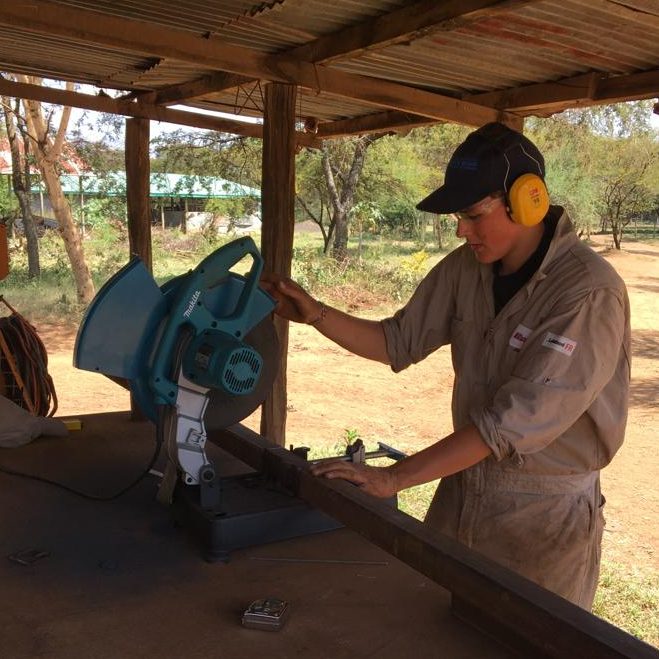
We have been increasingly investing in workshop equipment, we want to be able to do high quality fabrication and maintenance on site, the investment is key to help us move away from “jua kali” jobs.
Harry using a new grinder.
We’ve recently uploaded some new images to the website from our motion sensor cameras. The page can be found here.
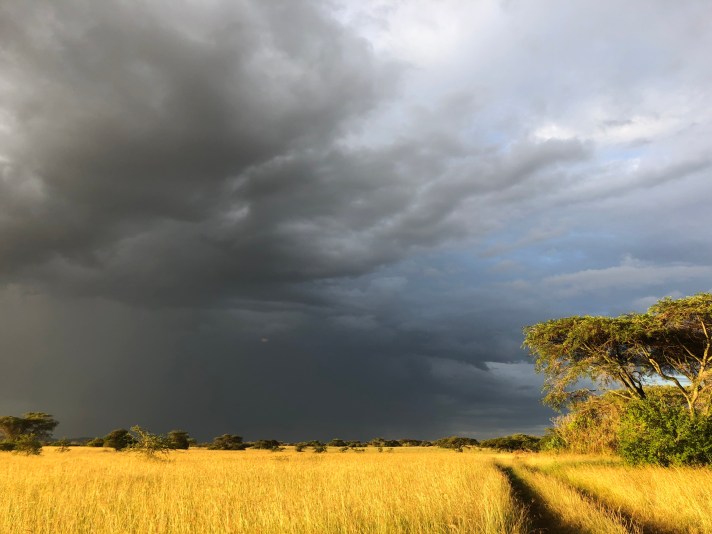
Storm at sunset.
We look forward to a safe and prosperous 2022, and wish you a happy new year!
It has been another busy quarter on the farm. The elephant has dominated life on the farm over the last few months, he is becoming more and more comfortable which is both a privilege and at times, a nuisance. Daily routines have subsequently evolved to a round of repairs; fixing broken fences, rebuilding gates, chasing him out of crops and most importantly making sure everyone stays safe.
The Barn Owls have had another clutch of owlets in the house roof and we are starting to see some migratory birds return to the farm. The night cam footage in July and August showed a continued striped hyena presence on the farm and a host of other small mammals and birds.
Crops
This quarter has seen mixed results with our crops. We suffered the classic dry July which seriously affected our “long rains” bean crop, coming as it did at the point of flowering and pod set. Yields were only 10% of what we had expected. We’ve also suffered the attentions of the resident elephant, herds of bush pigs and seen unfamiliar challenges such as head smut on the maize. Thankfully, the crop base is wider now as we continue to diversify and we have been fortunate to have had beautiful sorghum, “short rains” bean crops planted in August and fantastic Boma Rhodes grass crops for seed and forage production. It has also been an exciting time seeing really promising results from our various trials; beans, soya and pigeon pea.
Janey, examining trial plots.
Due to our commitment to keeping ‘wild’ spaces on the farm to promote and sustain biodiversity, we inevitably have to battle with all of the animals that call the farm their home but also want to eat crops. Usually this is not a big problem, as a few nibbles from a reed buck or a few seeds picked up by a guinea fowl are not significant, however this year we have come up against wild pigs and most conspicuously, the elephant, which has been sampling all of the crops and doing particular damage to our maize seed crop. This is also the first year that the elephant has shown interest in the beans which is an unwelcome development. This is now the 6th year that we have had the elephant with us. We realize that we have to learn to live with him and indeed manage him if we are ever going to harvest our seed crops. Control methods continue to evolve and we are confident that we will succeed.
In order to control the elephant we have:
Installed temporary high voltage electric fences around the crops, which he doesn’t particularly like, but can get through. (This is most effective in keeping wild pigs out.)
Laid bands of jagged rocks across known access points where he particularly likes to use to get into the field.
Lined the fence around the crop with chilli soaked rope.
Put up bee hives with wire triggers.
Slowly burned chillies along the fence line, the smoke turned out to be quite an effective deterrent.
The elephant, peering over some bushes after a muddy bath.
After significant investment of time and capital spent in animal control, the maize crop was then affected by smut, a fungal infection that has been seen at unprecedented levels across the region. Left unmanaged, a high smut challenge can result in a seed crop being disqualified due to quality control. Management requires infected cobs to be removed, plants destroyed and residue burnt. The number of cobs removed was unprecedented. This was of course extremely disappointing, but as a quality seed grower and producer we cannot afford to compromise on quality. It appears that the high smut challenge was also attributed to the warm, dry and sunny weather in July.
Seed maize.
We planted more KK8 and Chelelang in August, this has had good rain on it and we are looking forward to a good crop. This was the first bean crop planted using the GPS system and the results were encouraging. Interestingly, during planting in August we blended the usual NPK 23:23:0 fertilizer with CaN (27% N) and have seen a huge positive response to the CaN in the bean crop.
Short rains beans flowering.
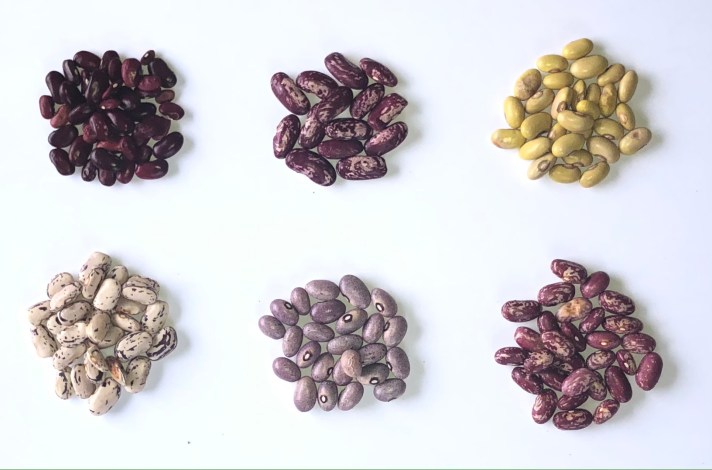
The Bean trials conducted with Kenya Bean Consortium produced ten candidates, three red speckled (one a climber), one black bean, two white with black speckles, two small ruby red, and two pale purple. The next step is to register the varieties on the COMESA catalogue which would allow a faster release of the beans under the agreed Seed Harmonization Agreement. If this process is successful it would potentially be an exciting development for the OPV crops in Kenya.
Different beans grown in the Kenya Bean Consortium trials.
The soya trials were fascinating, with a large variation in the maturity and performance of the different varieties. This would primarily be down to day length or photosensitivity. The data collected will now be used to select for a more refined testing with SIL (Soya Innovation Lab) with the view to release.
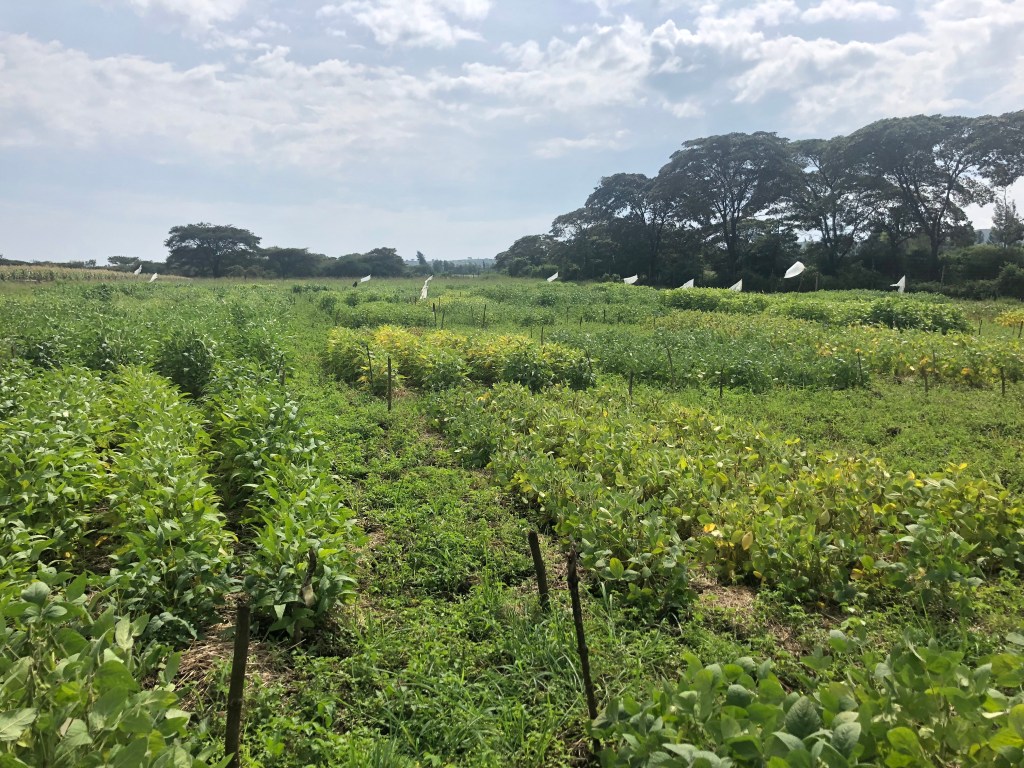
Soya bean trials.
Trials on Pigeon Peas are on going and is an interesting crop, several varieties were tested and will be harvested in the next quarter. For our fellow farmers this is a good crop to diversify into as allowing cattle to graze through a small area prior to feeding improves weight gain and milk yields. This is particularly relevant with feed costs spiraling.
Pigeon peas, trials to see if we can diversify forage crops.
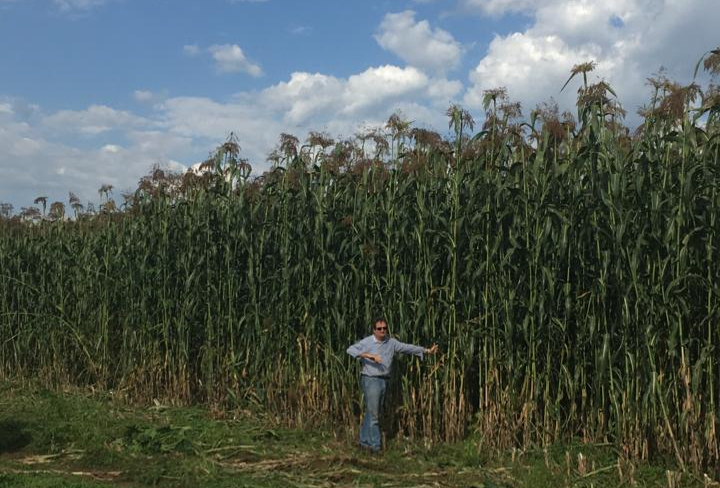
Our forage crops have been successful, Leldet’s E6518 forage sorghum is massive (as usual!) and some will be turned into silage to carry the steers over the dry season, and a seed harvested for sale. Next quarter we will report on our grass forage trails.
Nigel, dwarfed by our 16ft E6518 forage sorghum
The boma rhodes has been a great crop this year, with incredible seed yields and hay sales supporting cash flow between other harvests.
Stooks of grass seed, this is how the freshly cut grass is dried
Bundles of rich boma rhodes grass seed before it is piled into stooks.
This year we have also planted a trial cover crop for the first time. This is a complimentary operation to the No Till and other conservation agricultural practices being adopted on the farm. This trial used equal weights of pearl millet, green gram, cowpea and pigeon pea blended together and planted through the No-Till Piket planter at a seed rate of 18Kg/Ha, no fertilizer applied and the previous bean/weed stubble was then sprayed with glyphosate. The crop has germinated well at the time of writing this report and we look forward to reporting on the same next quarter.
Livestock
Following a large sale of sheep into a decent market, we have decided to keep the 50 best ewes and purchase two new rams from Mpala Ranch in order to launch a new breeding program. Our two new rams came on to the farm in August and have been christened Jeremy and Kaleb. We have also for the first time invested in marking harnesses and crayon blocks hoping to identify which ram had covered which ewe, only to quickly establish that both are intent on having a go. With two color patches on her rump, we can at least be sure that the ewe was ready for service!
Curious ewes meeting their new rams, dressed up with breeding harnesses.
The cows continue to do well and for the first year ever we managed to sell in excess of 100 fat stock to our main client in Nairobi. This is a significant uptick in the herd productivity and gives impetus to the continued investment in forage, conserved feeds and genetics.
The most exciting development in this department is the use of on farm AI. In August we invested in the equipment necessary to hold stocks of semen on the farm; Aberdeen Angus, Charolais and Jersey semen sourced through World Wide Sires. Now that we have Harry back on the farm and he has recently been certified in AI practice, we are hoping to administer AI to some of our Jersey and Boran-Charolais cross cows. We look forward to welcoming the results in 9 month’s time. Ultimately, the genetics of our main beef herd will tend towards Angus and Charolais cattle. We will also maintain the smaller nucleus Boran herd.
A weaner heifer with a mouthful of boma rhodes hay.
Transition
Sadly we lost Mr. Jonathan Leakey in July 2021 after a period of illness. Jonathan was a Director and had previously been a majority shareholder in Chemeron Limited., always a keen supporter of the farm. His support and encouragement will be missed by us all.
As part of this transition, this website will also in future include a section on Lamu under “Chemeron Lamu”. This is a new horizon for us and there are exciting plans in the pipeline for developing the Lamu assets with desalination, hydroponic crop production and other ideas being researched. There is also scope for some real estate development for rental income, thereby ensuring a sustainable cash flow.
Farm Developments
All our plans pertaining to the livestock enterprises on the farm depend upon reliable water supplies. The portion of the farm that was hived off and subdivided is now beginning to sell, thereby generating an income stream for CAPEX developments on the farm and water resources are now in focus. We have commissioned a study on surface water catchment and in the coming months hope to procure a range of rubber lined steel tanks to hold 400m3 of rainwater, several 20,000 litre plastic rain water tanks and we have plans to line one of the earthen reservoirs on the farm with an impermeable membrane. Rainwater harvesting from existing roofs and the dam should provide 60% of our annual needs.
Many years ago we attempted to drill two boreholes on the farm, these proved to be dry down to a depth of 280m. However, there is increasing evidence that our area does have water bearing aquifers but that they are generally below 300m in depth. In view of this and with improved analytical technology, we are encouraged to try again and this will proceed in the second half of 2022 once the surface water collection investment has been completed.
In a related investment, the farm has also procured a third hand JCB backhoe loader. This unit will be deployed to develop water pans across the farm and to dig drainage ditches with the express objective of filling the older dams that are in place on the farm.
We have also been undertaking some accommodation improvements for our employees by constructing new staff housing, this will be complete before the end of the year. Additional plans include showers, changing rooms and the provision of lockers for the storage of clothes and PPE.
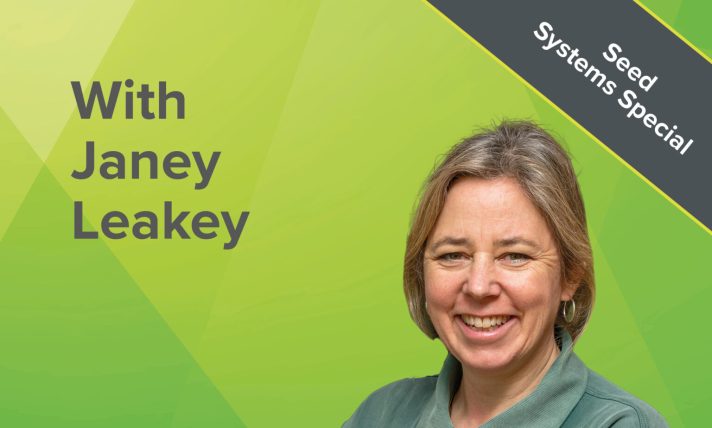
This great discussion covers the importance of soil health, challenges faced by both seed farmers and small holders, and the increasing impact of climate change.